
Conclusions from the 2013 Bahrain GP
Sebastian Vettel delivers a masterclass in the desert, Mercedes' old problem rear up again, Lotus can't camouflage their speed deficit for much longer, and Caterham make ground at the back
Tuesday 23 April 2013 11:02, UK
When Sebastian is good, he's brilliant
Mercedes need to trim a strength to fix their weaknessThe frustrating disappointment of Mercedes' struggles in the desert weren't that they were so pronounced - especially for Nico Rosberg as he retreated from pole position to ninth at the chequered flag - but that they were so very predictable. Overheating its tyres, and particularly the rears, is a flaw which all of the team's cars have seemingly possessed and the failure to find a cure is the longstanding reason to doubt Mercedes' place among the elite. All their rival frontrunners have had problems and still have problems; the difference is that they aren't so consistently repeated. The assumption must be that this is an inherent flaw, deeply rooted in the design process at Mercedes, and carried over as a trade-off for one of the team's principal strengths (straightline speed, high-speed cornering, etc). Boiled down, then, the disappointment isn't that the flaw is stuck on endless repeat but that Mercedes still haven't quite mastered the necessary trade-off. Grosjean's problems may have all been in his head
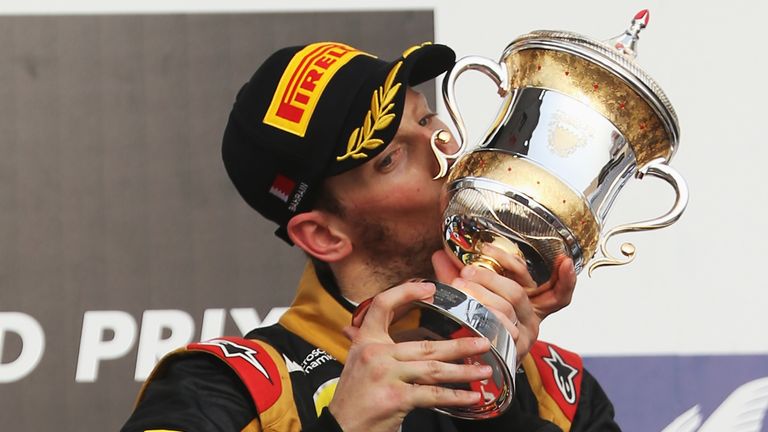
Until Bahrain, the 2013 season had been a litany of anonymity for the troubled Romain Grosjean. The delivery of a new chassis in the desert seems to have been just the revitalising trick he needed, however - although not because the new car fixed all of the handling problems he'd been experiencing, but because it ended any doubts he may have had that the problem was specific to that particular chassis. The upshot - his first podium since July - owed a considerable debt to the vagaries of the current qualifying regime after the Lotus driver ultimately benefited from not reaching the top-ten and saving up a fresh set of tyres with which to defeat Di Resta. Nevertheless, it would be no surprise if a confidence-boosted, clear-headed Grosjean now regularly returns to the front. As a psychological experiment, it will certainly be an interesting case study to follow. Helmut Marko knows his man
Remember what the Red Bull advisor said of Mark Webber in January? "It seems to me that Webber has on average two races per year where he is unbeatable, but he can't maintain this form throughout the year, if some technical mishap occurs, like with the alternator for example, he falls relatively easily into a downward spiral." It's easy to question whether Helmut ought to have made those remarks in public, far harder to deny that the criticism was valid four races into the new season. Fine in Australia, outstanding in Malaysia, luckless in China, but utterly insipid in Bahrain, the narrative of Webber's season is following an identical path to one forecast by Marko. A line was drawn in the sand for Webber this weekend; until now, he had been there or thereabouts against Vettel and suffering from bad luck. On Sunday, he was nowhere and waylaid not by bad luck but by bad form. Out of excuses, he needs to do all of his talking out on track at Barcelona if 2013 isn't to run away from him altogether. Perez was written off too soon
Short memories are a perquisite for all outspoken critics but some of the criticism levelled at the Mexican over the last month has been particularly galling. Bluntly, don't be deceived into believing McLaren's alleged mistake was abundantly clear at the time of Perez's appointment last year. While there were a few