Caster Semenya challenge forces IAAF to delay imposing gender rule
By Reuters
Last Updated: 16/10/18 7:29pm
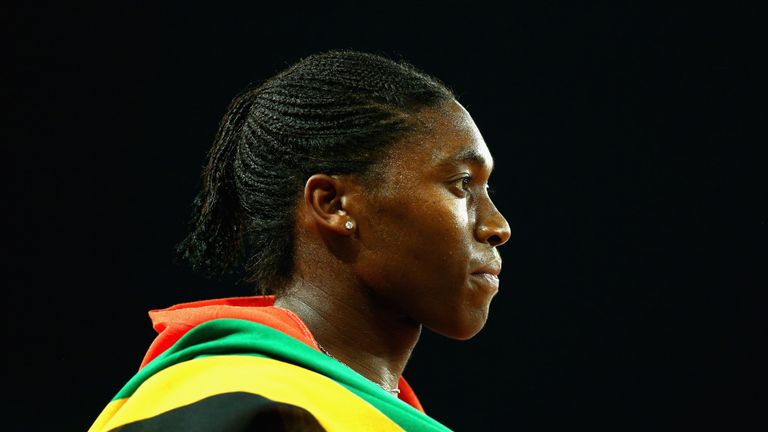
The International Association of Athletics Federations (IAAF) will delay the implementation of its new eligibility rules for female classification due to the legal challenge by South Africa's Caster Semenya.
The regulations would require the double Olympic and triple world 800 metres champion to take medication to lower her higher than normal levels of naturally-produced testosterone over a period of six months before being allowed to compete.
Some female rivals had complained that the 27-year-old's hyperandrogenism gives her an unfair competitive advantage.
Testosterone is a hormone that increases muscle mass, strength and haemoglobin, which affects endurance.
The IAAF's new classification criteria for athletes with a Difference of Sexual Development (DSD), which covers events from 400m to one mile, was due to be applied from November 1.
But the IAAF said in light of the ongoing proceedings, the rules would instead be scheduled for implementation after the CAS decision, which is expected by March 26.
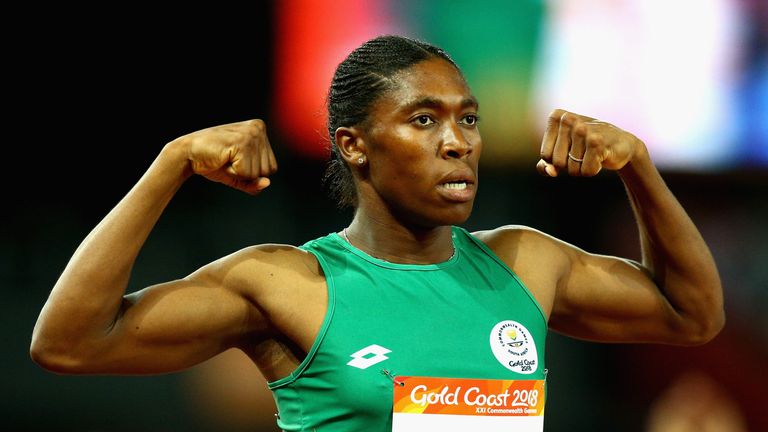
That target is six months and two days before the 2019 world championships start in Doha, Qatar. Semenya is the current 800-meter world champion.
If the IAAF's rules for athletes with differences of sex development (DSD) are upheld by the court, female runners must medicate to reduce their testosterone levels for six months before racing internationally from 400 meters through the mile.
"The IAAF remains very confident of the legal, scientific, and ethical bases for the Regulations, and therefore fully expects the Court of Arbitration for Sport to reject these challenges," the athletics body said in a statement.
"However, the IAAF also understands that all affected athletes need certainty on the point as soon as possible.
"Therefore, in exchange for Ms Semenya and the ASA agreeing to an expedited timetable, the IAAF has agreed not to enforce the Regulations against any athlete unless and until they are upheld in the CAS award, which is expected on or before 26 March 2019."