
Male boxers to compete at Rio 2016 Olympics without headguards
Tuesday 1 March 2016 21:16, UK
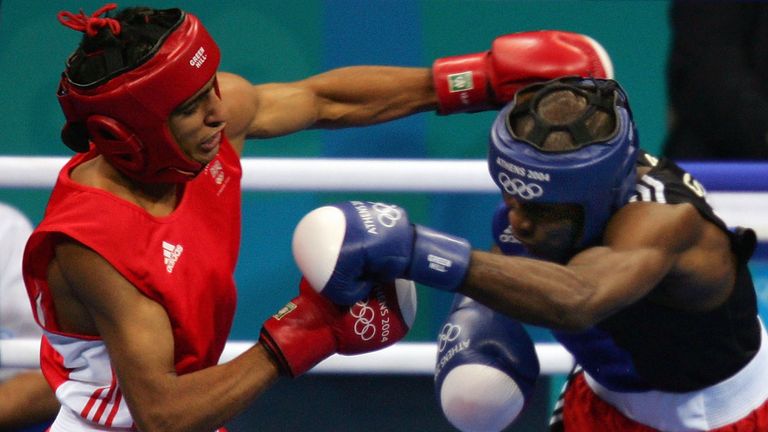
Male boxers competing in this year's Olympics in Rio will be able to trade punches without any protective headgear for the first time in more than three decades.
The International Olympic Committee sanctioned a change introduced by world boxing federation AIBA.
AIBA adopted the change for amateur fighters some three years ago and they were scrapped for male fighters at the 2013 world championships and 2014 Commonwealth Games.
The move was rubber-stamped by the IOC on Tuesday when they said it was up to the AIBA to apply its own rules.
AIBA president Ching-Kuo Wu said, although fighters are more prone to cuts without the head guards, the change will result in a decrease in concussions.
IOC spokesman Mark Adams said: "AIBA provided medical and technical data that showed the number of concussions is lower without headgear.
"They have done a lot of research in the last three years. The rule will go ahead for Rio."
Boxers have been wearing headguards since the 1984 Los Angeles Olympics. The last Games without them were in Moscow 1980.
Women boxers, who first competed at the 2012 Olympics, will continue wearing their protective gear.
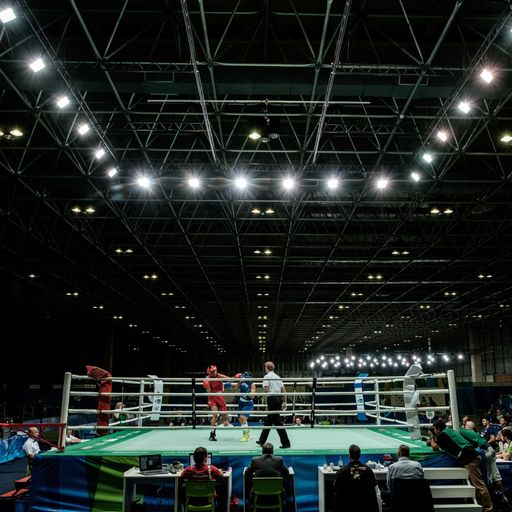
The IOC said there was no discussion of Wu's separate proposal to allow professional fighters to compete at the games in Rio.
Wu announced last week that he intends to change AIBA's qualifying structure to allow pro boxers to compete for gold medals in the multi-day Olympic tournament in August.
He has called a special AIBA meeting in May to vote on his proposal, which has received mixed reactions in boxing circles.
WBC president Mauricio Sulaiman has sharply criticised the idea, saying AIBA "does not have a clue of what boxing means and represents."