
'Nikita Kamaev planned to write book on doping in Russia before death'
Sunday 21 February 2016 12:05, UK
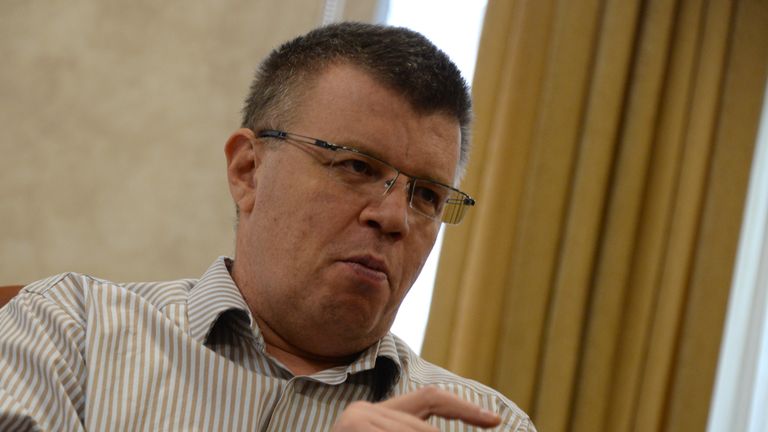
The former executive director of the Russian anti-doping agency planned to write a book on drug use in sports shortly before his sudden death, according to the Sunday Times.
Sunday Times sportswriter David Walsh, renowned for his reporting of cycling champion Lance Armstrong's doping, reported that Nikita Kamaev wrote to him in November.
Kamaev offered to reveal information on doping covering the last three decades since he began work for a "secret lab" in the Soviet Union, Walsh claimed.
Kamaev's former boss at the agency, Ramil Khabriev, told Russia's TASS news agency that the 52-year-old planned a book but abandoned it because an "American publisher" had demanded too much influence over its contents.
Kamaev died on February 14 of what the Russian anti-doping agency called a "massive heart attack."
In Walsh's account, Kamaev contacted The Sunday Times after a World Anti-Doping Agency commission accused RUSADA of helping to cover up doping by top Russian athletes as part of a systematic, state-sponsored program of drug use.
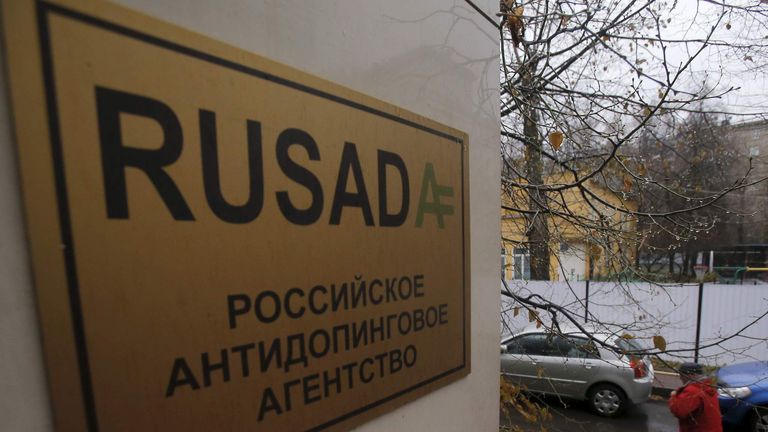
According to the newspaper, Kamaev said he had collected unpublished "actual documents, including confidential sources, regarding the development of performance enhancing drugs and medicine in sport," plus communications with the Russian Sports Ministry and International Olympic Committee. It is not clear whether Kamaev ever provided any documents.
Walsh wrote that Kamaev first made contact on November 21, three days after WADA declared RUSADA non-compliant, effectively shutting down its operations. Kamaev remained at RUSADA until December before resigning.
Walsh said that Kamaev wanted him to be his co-author but that the book plans did not proceed further. Walsh added he was reluctant to work with Kamaev because of the latter's poor English and former role overseeing the drug testing agency at a time when the Russian government gained more influence over drug testing.