Dr James Morton talks nutrition
Thursday 12 November 2015 15:14, UK
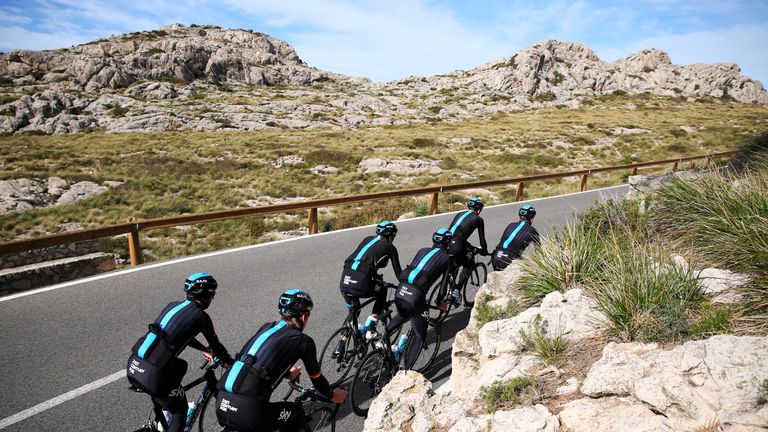
We sat down with Team Sky's Head of Nutrition Dr James Morton to take a closer look at how the team fuels its riders.
When it comes to nutrition, cycling is undoubtedly one of the most demanding sports in the world.
Whether competing across a three-week Grand Tour or peaking for a one-day classic, how each rider fuels up will play a major role in whether they emerge to contest the victory.
Dr James Morton is Team Sky's Head of Nutrition and in his influence proved an integral part of our third Tour de France success. Working alongside the team's Vitamin and Supplement Supplier Healthspan Elite - and new 2016 Nutrition Supplier Science in Sport - the stage is now set to develop new products and make even more exciting gains.
We sat down with Dr Morton to take a closer look at how the nutritional demands of cycling compare to other sports, and how the latest thinking influences how Team Sky fuels its riders.
You've worked across a range of sports including football and boxing - how does cycling nutrition compare?
Without doubt, nutrition has more of an integral role to play in cycling. Ultimately, football is a skill sport and it is difficult to quantify the effects that nutrition can play on match day performance given that the demands of the game are so variable. My main roles in football [Morton worked with Liverpool FC] were to optimise body composition and ensure appropriate dietary and supplement strategies maximised match day performance and recovery.
Nutrition can play a much more important role in boxing given the obvious need to make weight. For the most part, a fighter will spend 8-12 weeks in a calorie deficit in order to make weight, and then we have 24 hours to refuel and rehydrate them to ensure they perform on fight night. It's remarkable the changes you can make to someone's body composition in that time and it really shows on fight night for those fighters who make weight correctly.
Cycling presents a different challenge because you obviously have to achieve your optimal riding weight for your target races, but also maintain the desired training intensity each day. This means that some days present themselves as an energy deficit and other days are all about fuelling quality training.
Then of course, in races themselves, there is the challenge of fuelling each day and promoting recovery, and also preventing weight gain or loss so that performance isn't impaired. Of all the sports that I've worked in, I truly believe that nutrition is most important for cycling, and it can really turn a good rider into a great rider.
What are the key areas you focus on with our riders, e.g recovery or fuelling?
It's both really. It's about getting the balance right between fuelling for hard stages and training sessions and then recovering well so that the riders can go again the next day. The biggest challenge, however, is making sure we don't over or under fuel so that they don't gain or lose weight at too great a rate. The last thing we want is a rider going into the last week of a Grand Tour 2kg heavier than when he started. Similarly if he has lost too much weight then performance may also be compromised, especially if lean muscle has been lost.
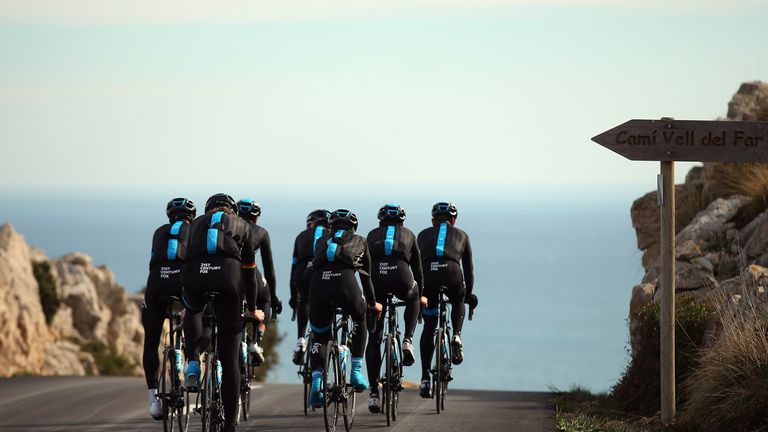
What are the biggest components that set the professionals' requirements apart from amateur cyclists?
I would say achieving the optimal body composition is the biggest requirement. Most amateur riders are probably not near their optimal riding weight because of the tremendous dedication and willpower it takes to get there. Amateur riders are also taught the importance of carbohydrates for training and racing, perhaps too much actually. In our research at Liverpool John Moores University, we now know that deliberately restricting carbs around carefully chosen training sessions can actually enhance training adaptations. But then of course we must ensure higher carbohydrate intakes for key training sessions and hard stages in racing. I believe this concept of periodising daily carbohydrate intake is the most exciting part of sports nutrition in the last decade and our challenge now is to address how best we do this practically. I am in the unique position to being involved in my own research studies in LJMU but then working with the best athletes in the world…and in all honestly, I have learned just as much from the riders as I have from over 80 publications!
Do you look to create individual plans or is your role more around an education for riders to make their own decisions?
I try and do both depending on what suits the learning style of that particular rider. In addition to my role at Team Sky, I am also a university lecturer at LJMU, and so teaching is a passion of mine. Ultimately, if I can teach someone how to make better choices, this is a much more powerful method of development than simply telling people what to do all the time. A large part of my work is also educating our staff so that we are all aligned on the information we present to the riders.
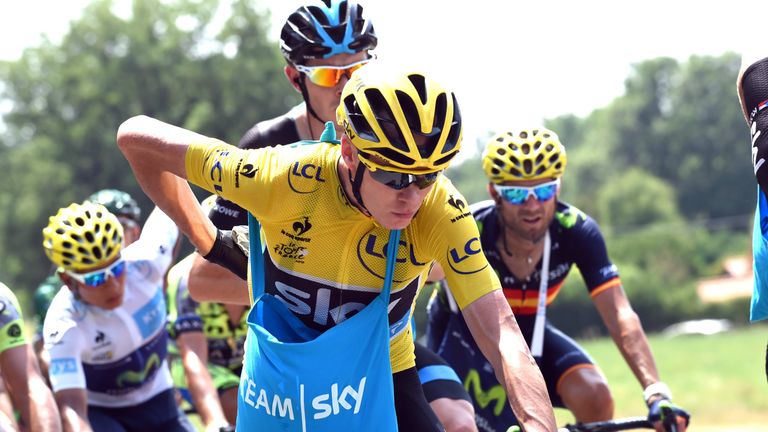
There are a lot of supplements and additional products on the market - how do you select what supplements the riders use and when they should take them?
Again, I am fortunate that I am a lecturer and researcher by trade, so I know how to critique a research paper and make informed decisions on what does and doesn't work. Ultimately, we look at the physiological determinants of cycling and the physical demands of the sport, and if there is evidence that a particular supplement can improve these parameters, then we will consider it on top of a well formulated diet. Of course, we have to use batch tested supplements and we are lucky that we have, in my opinion, the two best providers in the world at the minute in Science in Sport (who join Team Sky for 2016) and Healthspan Elite.
You work closely with our partner HealthSpan Elite - what products have you been working on with them and why are they so important to Team Sky?
Along with Nigel Mitchell at British Cycling, we have been formulating a new "immune" product that we hope to use in Grand Tours throughout 2016. Again, we based our ideas on a scientific review of the available evidence to make an informed decision on what could potentially add those marginal gains in the final week. We are lucky that Healthspan Elite are a very forward-thinking company who are always receptive to doing things right and doing things differently.
Developed with Team Sky, Healthspan Elite's new Performance Greens product is now available HERE.