
Night-time drug testing has a place in cycling but only if it is targeted

Friday 13 March 2015 17:39, UK
This has been a pretty explosive week for cycling. Casual readers of the back pages could be forgiven for not realising there was so much action to feast on, on the roads of France and Italy in particular, given the fat that needs to be chewed over following the Cycling Independent Reform Commission (CIRC) report.
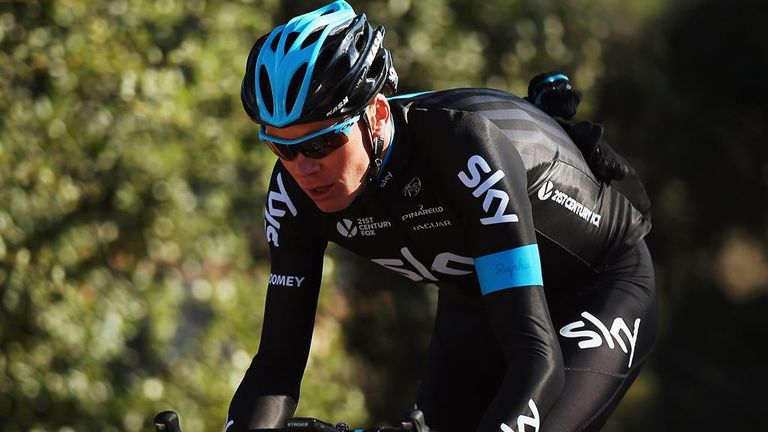
Without rehashing what has been debated plenty already, the one line that struck me in the report, and that clearly struck a chord with 2013 Tour de France winner Chris Froome, was the need for the night-time testing of athletes.
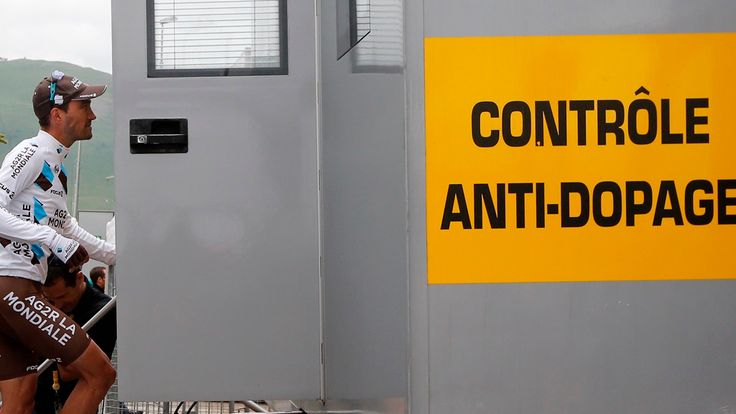
Currently, under the World Anti-Doping Agency code, athletes can only be tested between 6am and 11pm. This leaves them free to take a small enough amount of a performance-enhancing drug late at night that it will have left their system by the morning, but large enough that if it's taken repeatedly, it will give an unfair advantage over rivals.
Froome has come out in favour of the authorities being able to test an athlete at any time of the night, or day, tweeting: "I for one welcome 24hr testing. It may be an inconvenience but if it can help clean up the sport that I love. Let's do it.”
While the principle is laudable, and Froome must be commended for being the only current cyclist to speak to the commission openly, I fear for the practicalities.
As a new mum I am well aware of the difficulty of trying to function normally with a broken night's sleep. When I say difficulty, I mean impossibility. If riders are expected to embark on a five-hour training ride the next day, or even compete, the health implications would be significant. As would the desire to take something, even just an extra coffee, to compensate for the tiredness.
When I contacted a cycling agent about the issue, I was understandably told that few riders wanted to speak against the idea of 24-hour testing. The received wisdom is: if you have nothing to hide, why object? It was, I was told, a bad PR move for cyclists to speak against it.
The agent added: "Imagine if you have a family, wife and two kids, and you get a drug tester knocking your door at 3am." He added that he thought it was against normal standards of human decency.
From the outside it is easy to understand both sides of the argument. Certainly anyone who speaks in favour of night-time testing can hardly be criticised. But if it was done, it would surely have to be in a more targeted way than current day-time testing.
Former Olympic and world champion Nicole Cooke wrote this week that she had reported an incident years ago whereby a member of staff told her they were supplying a fellow rider with drugs. Nothing was done about it at the time. Nothing has been done since. According to Cooke, the person in question still works in the sport.
Unless intelligence is used to catch dopers, nothing will change. The prospect of night-time testing should act as deterrent for those tempted, but it is targeted testing that is needed, be that day or night.