Vuelta a Espana: Eight lessons from the race
What the season's final Grand Tour taught us
Monday 15 September 2014 15:58, UK
The Vuelta a Espana was arguably the most enthralling Grand Tour of the year, proving as interesting as it was exciting.
Here are eight lessons we learnt from the race…
1. Froome has introduced a new approach to climbing
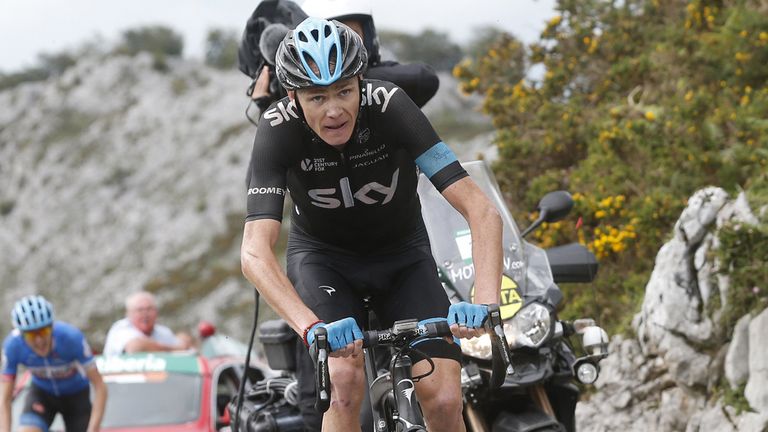
The 2012 Vuelta a Espana was one of the most explosive Grand Tours in history. Alberto Contador, Alejandro Valverde and Joaquim Rodriguez finished the race more than eight and a half minutes ahead of the rest of the field after repeatedly attacking each other on the mountain stages, leaving everyone else trailing. Chris Froome finished a distant fourth that year and admitted it had been a learning curve. He became a more attacking rider as a result and used the new style to devastating effect at the 2013 Tour de France. However, over the past three weeks at the Vuelta, he may have inadvertently turned back the clock and re-popularised the idea of climbing at one constant pace. Lacking fitness following his crash at this summer’s Tour, the Team Sky rider was unable to respond to the electric accelerations of the likes of Contador, Valverde and Rodriguez, but rather than admit defeat, he continued to climb in almost mountain time-trial mode, as if he was the only rider on the hill, and on on more than one occasion he eventually hauled himself back to the three stunned Spaniards, who thought he had long-since been dropped. Repeated attacks are devastating, but Froome proved that a constant pace, riding your own race and not being afraid to drop back can be just as effective.
2. Froome is more dogged than we realised
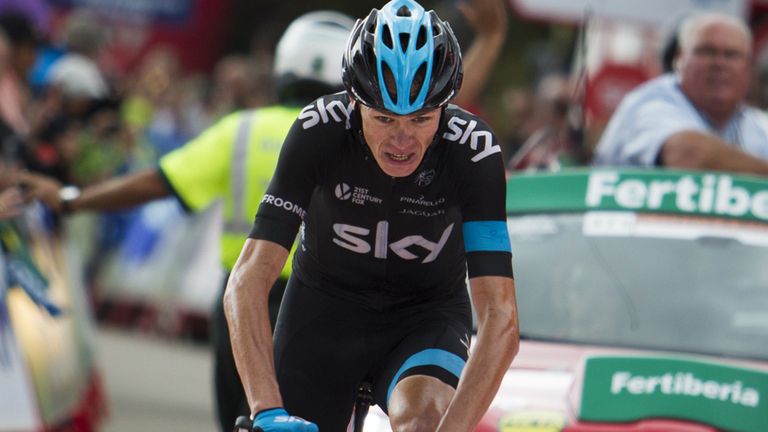
In fighting back from repeatedly being distanced, Froome revealed a side to himself that we haven’t seen too much of in the past: that of a patient and dogged fighter. The sight of Contador, Valverde and Rodriguez riding away from him on the climbs to San Miguel de Aralar and La Camperona must have been demoralising in the extreme, but he refused to panic and admirably dug in to claw his way back to the three Spaniards. We have become used to Froome dominating in the mountains, so to see this battling side of him has been both intriguing and impressive. Even Contador recognised Froome’s resilience, describing him as the toughest rider he had ever come up against.
3. Froome is the man to beat next year’s Tour de France
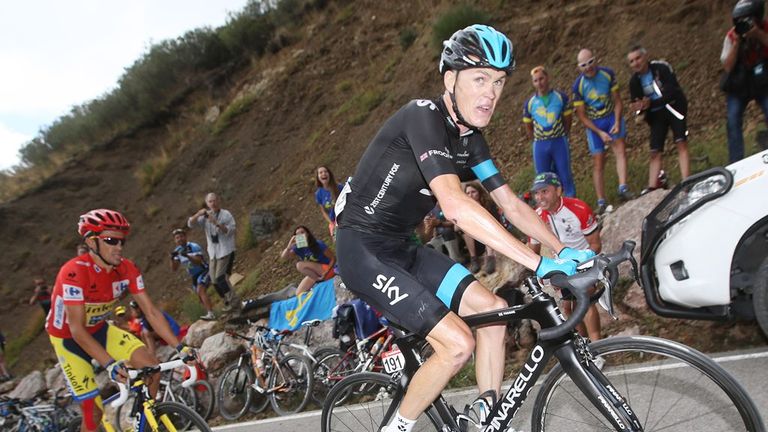
He may well have had to settle for second place, but in the circumstances, Froome’s performance at the Vuelta has been hugely impressive. The Briton started the race short of peak fitness following his crash at the Tour in July and while Contador was also coming back from injury, the Spaniard was clearly in better shape throughout. The Team Sky rider got stronger and better as the race wore on, but the contrasting images of a shattered Froome and a comparably fresh-looking Contador at the summit finishes at Lagos de Somiedo on stage 16 and Puerto de Ancares on stage 20 suggested he still wasn’t back on par by the end of the race. However, the fact that Froome ran Contador so close – eventually losing by 1min 10sec – hints that with equal condition, the Team Sky rider could well be the man to beat at next summer’s Tour.
4. Build-up to the Tour de France now starts at the Vuelta
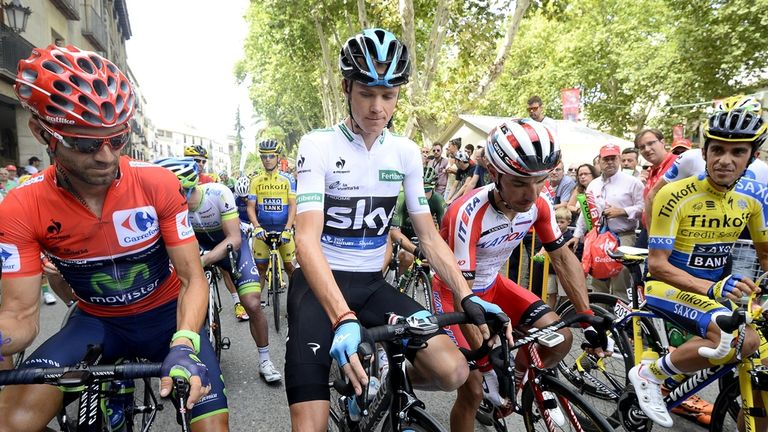
Froome has made no secret of the fact that the Vuelta was the start of his build-up to the Tour, and if he is wading straight back into training after three gruelling weeks of racing, then Contador, Nairo Quintana, Valverde, Rodriguez and even Vicenzo Nibali might have to do likewise. Winter training usually starts in the late autumn, but this year Froome has fired the starting gun early.
5. Aru v Quintana is the Froome v Contador of the future
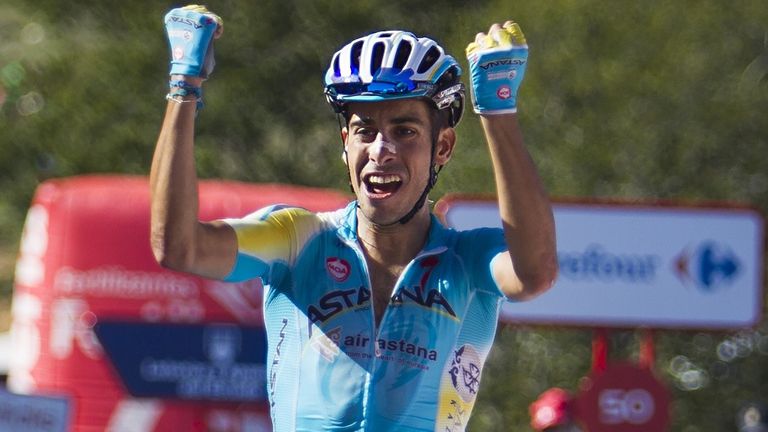
Aside from the peerless climbing of Contador and admirable tenacity of Froome, arguably the most impressive rider of the Vuelta was Fabio Aru. The Astana leader has only recently turned 24 years old but went toe to toe with his more celebrated rivals and finished fifth overall, winning two summit finishes along the way. His superb display over the last three weeks followed a third-place overall finish at the Giro d’Italia in May, completing a season that has expelled any lingering doubts that the Italian is a potential Grand Tour winner of the future. Indeed, the question may soon become not if he will win one, but how many? With Quintana of a similar age and having already sealed his first Grand Tour win, the battle between the Colombian and Aru could well become the Contador v Froome of future years.
6. The Vuelta is arguably the best Grand Tour
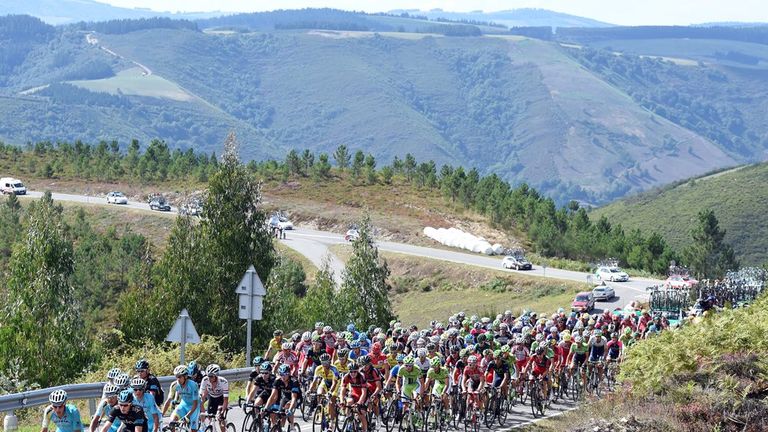
Sir Bradley Wiggins once famously said he didn’t like the Vuelta because most of the race was spent riding along motorways, and while that can still be true to an extent, even Wiggins would have to admit that the last three weeks have provided action-packed and exciting racing in abundance. Four riders were in contention all the way to the final mountain stage, and it ended with the closest winning margin of this season’s three Grand Tours - the third time in four years that has happened. Recent editions have also been just as compelling, with the brilliant battle between Contador, Valverde and Rodriguez in 2012 being followed by an epic struggle between Nibali and Chris Horner last year. The Tour de France and Giro d’Italia may have more romance and prestige, but for pure drama, the Vuelta is currently the best Grand Tour.
7. Rodriguez will probably never win a Grand Tour
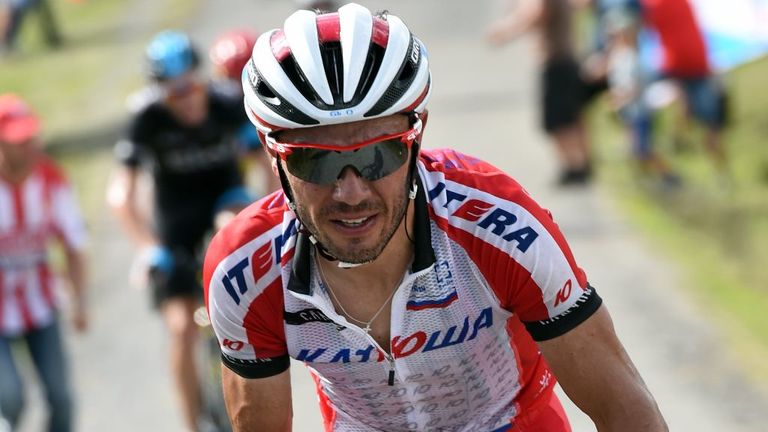
There is no questioning that Rodriguez is one of the finest climbers of his generation. He has finished on the podium in all three Grand Tours and has won multiple mountain stages of both the Vuelta a Espana and Giro d’Italia. However, thanks to an unfilled void in his skillset, it is looking increasingly likely that he will never win a Grand Tour. Time-trialling has been an Achilles’ heel for the now 35-year-old Spaniard throughout his career and once again it undermined his challenge at this year’s Vuelta. Admittedly, he wasn’t at his best in the mountains either, but the fact he lost over a minute to eventual winner Contador on the race’s main 36.7km time trial is evidence that even if he had equalled his compatriot on the climbs, he still would not have won the race. He lost the lead of the 2012 Giro d’Italia on the final-stage time trial and, sadly, it seems that result continues to be an accurate reflection of his Grand Tour credentials.
8. Giant-Shimano are the dominant sprint team at Grand Tours
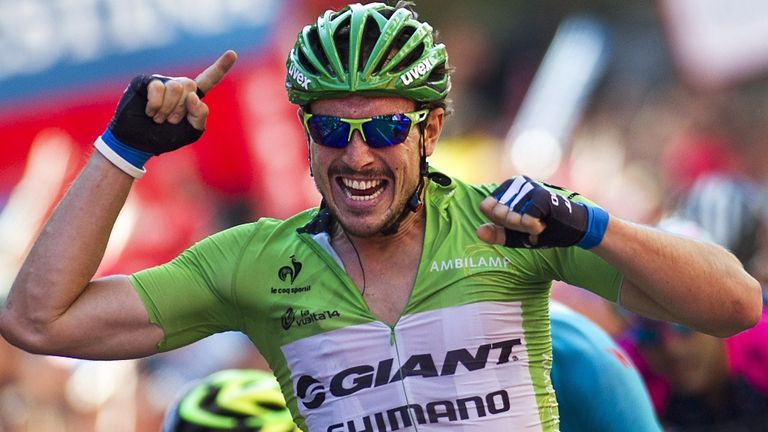
This is not necessarily something we didn’t already know, but it was emphatically underlined by John Degenkolb’s four stage wins and victory in the points classification. Add those triumphs to Marcel Kittel’s four wins at the Tour de France and two wins at the Giro (it could have been more if he had not pulled out after three stages through illness) this, and Giant-Shimano are comfortably the most prolific sprint team in the sport. Degenkolb may not have had to come up against Mark Cavendish or Andre Greipel at the Vuelta, but he still had to get the better high-pedigree opposition from Nacer Bouhanni and Michal Matthews.