Brian Barry
GAA Editor @BrianGBarry
Offaly footballer Niall McNamee explains how 'secretive' gambling only rears its head at crisis point
Offaly football stalwart Niall McNamee discusses his history of battling a gambling addiction, explains how GAA provided a release during his struggles, and how he still needs to remain vigilant to avoid a relapse
Last Updated: 29/04/21 3:55pm
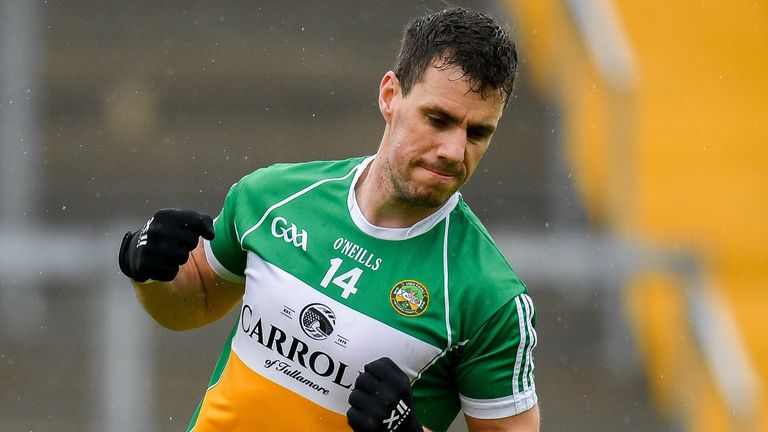
Few intercounty footballers boast a greater longevity than Offaly's Niall McNamee.
By his own count, the Rhode man has been on the road longer than every county player, barring Stephen Cluxton and Ross Munnelly - who made his championship debut for Laois just weeks before McNamee's first game for Offaly in 2003.
Maybe that is a testament to the release the intercounty game has offered to the Faithful County star, who spent years battling a gambling addiction. Reaching out for help was the first step in his road to recovery, and he knows the dangers of what he feels is a 'secretive' addiction.
"We talk about how hidden gambling is. I could walk out of the bookies having lost the price of a car, I meet you on the street and we'd have a full-blown conversation and you could walk away thinking, 'Jesus, he's in great form.' That's the secretive nature of it," McNamee explained.
"It only rears it head really, when it reaches crisis point.
"My own gambling was very secretive. I was doing it way too much and I obviously knew that it was a problem, so I didn't talk about it too much. Listen, if I'd had a big win, I'd tell everybody, I'd be the first one to spread it! But as the years progressed, I became very, very secretive. So I wouldn't really talk about it all.
"Football to a large point, I don't want to be too dramatic about it, but it would have saved a large part of my life, if I'm being totally honest. It gave me that bit of structure three or four times a week where I had to be at training, if training was at 8pm, I was there at 7pm and for those couple of hours on the pitch, once I'd put on the boots and get out on the field, I'd forget basically about all the [stuff] that was going on in my life surrounding gambling. As soon as I came back in after training, you're back in the car with the same problems.
"GAA and football was a nice release from that. Somewhere I could go and not have to think about it for a couple of hours. Like I could have played some of my best games in the height of my addiction."
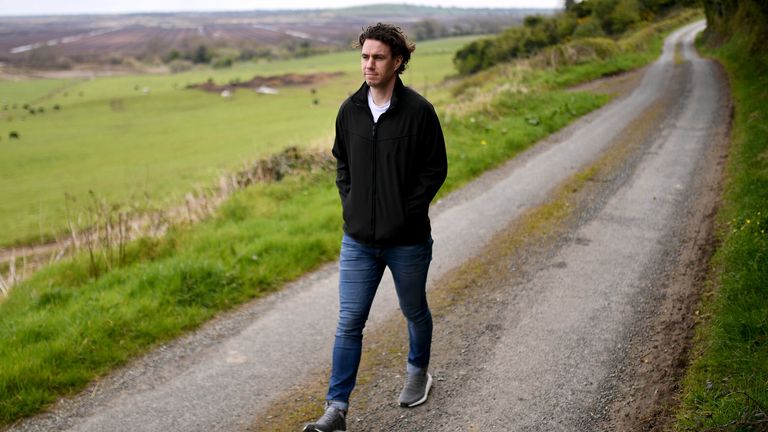
Anyone who plays team sport is three times more likely to be involved in 'problem gambling', and McNamee warns that the last year under lockdown is likely to have exacerbated some people's troubles.
"It's a funny one because I remember in the recession back around 2007/2008, I was actually looking forward to it because I was thinking, 'Jesus, this is great, I won't have any money so I won't be able to gamble'.
"But the opposite actually happened. I started to gamble more. I don't mean more in terms of financially, just more frequently," he recounted.
"It just happened that I probably wasn't as busy. I think a lot of people during lockdown are probably in a similar situation where they're working from home and it's a lonely time.
"Having said that, it might have also given people a chance to reflect on their behaviour and what they have been doing over a number of years previous to that. Some people might be realising they've been wasting their life away and gambling too much and it's actually brought it home to them over the last number of months that the problem comes to the fore a little bit more because they weren't able to leave the house to go to a bookies or you couldn't gamble on the phone as much because you're surrounded by people at home or whatever.
"There's two sides to it, but I would say that largely it has had a negative effect in terms of the last year and Covid and people being at home and a bit of boredom and loneliness and stuff like that and gambling was a good escape."
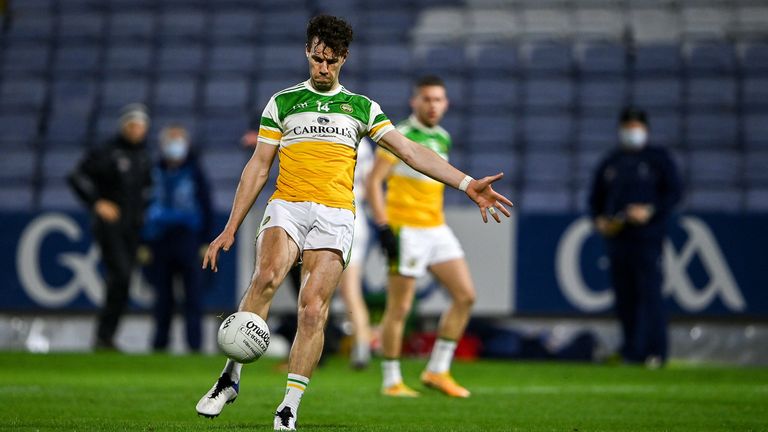
And while McNamee's own story of recovery is a successful one, he is fully aware that he must remain vigilant.
"My own recovery kind of took precedence over everything else, going to my meetings, going to my aftercare," he outlined.
"And then obviously doing a good job at work and trying to rebuild relationships. Trying to stay free of having a bet was my biggest challenge in the early days and weeks.
"As time progressed, life started to turn around and really good things happened.
"You often talk about the honeymoon period in recovery and some last two weeks, some last five weeks, some last a year. Mine probably lasted two to two-and-a-half years where life was really, really good. I was in a great space, wasn't gambling, work was going well, back playing football and really enjoying it.
"But life still goes on and there's still loads of challenges that happen on a day-to-day basis and I suppose what recovery has given me is the ability to live life without having to rely on a crutch like gambling.
"For some people that could be drugs, could be food, could be alcohol. People could be disappearing into their phone for a couple of hours during the day just to disappear from reality for a while.
"Life still happens and sport will go on and we might lose a game and that might be difficult to deal with. Obviously, there could be relationship difficulties, problems with a job, a bereavement in the family, all these things are still going to happen in life. It's just, my way of dealing with that would have been going to the bookies and solving all my problems there.
"Now, I know that's not the answer so I've built up a really strong network of people around me who are in recovery and who I talk to on a daily basis. It's never about gambling, it's just about life and the problems and joys and everything else that goes with it.
"That's what keeps me free from using gambling as that crutch."
For more information on gambling support, click here or you can get help and support now by sending a text to Extern Problem Gambling on 089 241 5401 (ROI) or 07537142265 (NI).