
Jack McCaffrey and Paul Mannion return: Why GAA must do more to stop driving top players from the intercounty game
Jack McCaffrey and Paul Mannion returning to the Dublin panel is welcome news for the sport, but more needs to be done to prevent other amateur players feeling overburdened by the demands of intercounty GAA and walking away
Tuesday 20 September 2022 10:54, UK
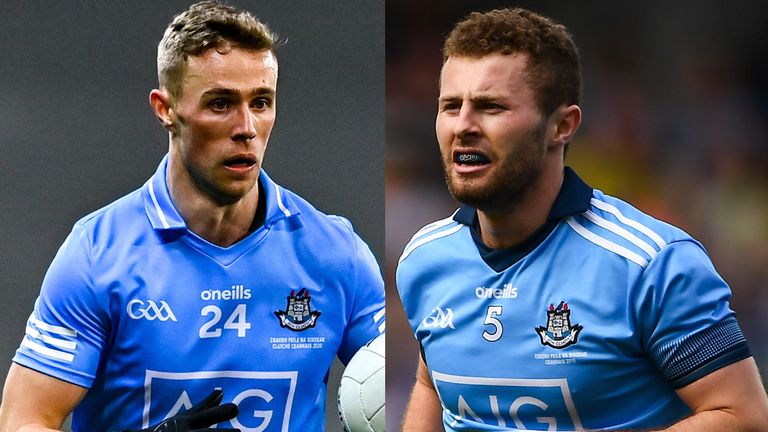
The news of Jack McCaffrey and Paul Mannion's return spread like wildfire on Sunday evening, after Dessie Farrell made the announcement in the most understated of manners.
Half-way into a run-of-the-mill interview with Dublin GAA's in-house media channel, in which Farrell reviewed the county championship quarter-finals, the bomb was dropped:
"Good news is we'll have Jack McCaffrey and Paul Mannion rejoining the squad next year as well. So that'll be a great help to us, in terms of the development and continued evolution of the team and squad."
Cue celebration. Two of the game's greatest talents are back to grace the biggest stage. Column inches will be filled in the coming days, examining the considerable on-field impact of this news, and rightly so.
But while basking in the joy of two of the most gifted footballers in the country returning to the intercounty game, we should also be asking why they left in the first place.
Let's roll back the tape.
"I do feel like I have kind of drawn a line under it now," Mannion said in June, playing down the potential of an intercounty return.
"I've been just enjoying the time with the club a lot and as I have said a few times now the opportunity to do different things, to spend time on different things, quite happy now.
"I'm still playing football and the game that I love, it's not the game that I wanted to step away from, it's just the size of the commitment required to play intercounty. Just exhausted by that.
"Now I've got club championship which for me is just everything I love about Gaelic football. A little bit more stripped back, still competing for the big trophies and championships, having fun with all my friends, just a little bit more time elsewhere to focus on work or other things that I wanted to do."
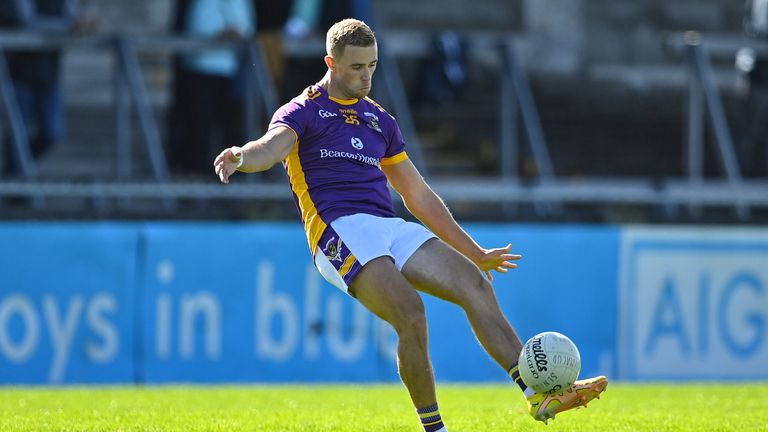
The commitment required to play intercounty. Just exhausted by that.
McCaffrey struck a similar chord in reflecting on the 2019 championship campaign, culminating in a Dublin All-Ireland win following a replayed final against Kerry. Drained, McCaffrey walked away.
"I think what broke me was the drawn final," he said in 2020.
"I was walking off the pitch. I thought there was extra-time and (Kerry's) David Moran just stuck his hand out to shake mine and I was like 'we don't have to do this again, do we?'
"Something just wasn't right and it probably wasn't right since halfway through the summer last year (2019) when I just felt the fun had gone out of the whole thing really.
"Gaelic football is a hobby, it's something I love and nobody would be happier than me if I woke up tomorrow and said, 'I've got a bit of a buzz on, I want to play for Dublin again'. It's not there at the moment."
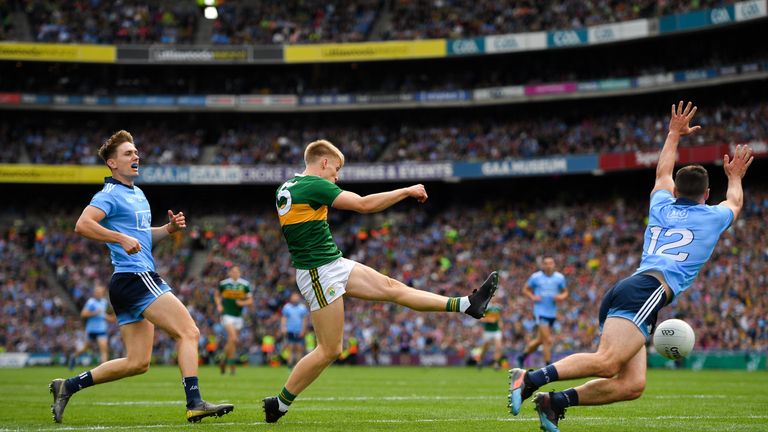
The message? The commitment is too great. Intercounty GAA is all-consuming, and it is becoming increasingly difficult for players to also juggle a balanced lifestyle and the small matter of a full-time job.
Gaelic games continues to go down this path, and it is a dangerous one for the sport.
The Tyrone footballers, who won the All-Ireland just 12 months ago, have endured a fleet of departures from their panel for a myriad of personal reasons. There are countless other examples around the country.
Yes, McCaffrey and Mannion have been convinced to return in their late 20s and give it another shot. But what is there to prevent the next high-profile star walking away?
Were David Clifford to decide he has devoted enough time to Kerry football for now, or if Cian Lynch were to walk away from the Limerick hurling set-up, as would be their right, the knock-on effect would be considerable.
The onus therefore falls on the sport as a whole to create an elite environment which is more conducive to a balanced lifestyle.
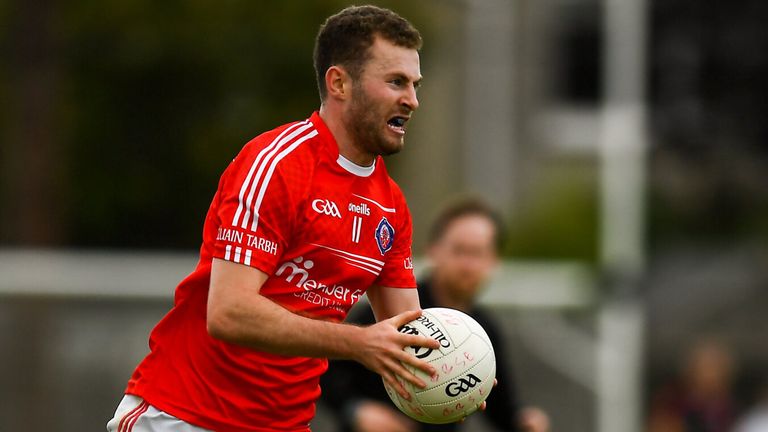
The GAA has made moves to stem the tide, in the wake of a 2018 Economic and Social Research Institute study estimating an average commitment of 31 hours per week for intercounty players.
Concerns led the GAA to limit the number of intercounty training sessions for which expenses could be claimed.
The intended result was to reduce the workload of players. But as county teams pressed on with a higher number of sessions, the players were caught in the crossfire.
A stand-off ensued, with the GPA instructing its members not to engage in media interviews until the funding was reinstated.
The sentiment behind the GAA's decision was correct, but it did not have the desired impact.
A compromise was eventually reached.
And so the intercounty arms race continues. The culture remains that if there are whispers of a rival team training seven days a week, the response is to train eight days a week.
The pursuit of excellence is a never-ending one. And unless something is done, the demands on amateur players will become even more unreasonable.
If that continues to be the case, we will see more and more examples like Paul Mannion and Jack McCaffrey walking away from the intercounty game in the prime of their careers.