
GAA: Hurling championship structure under review again
Friday 27 October 2017 20:04, UK
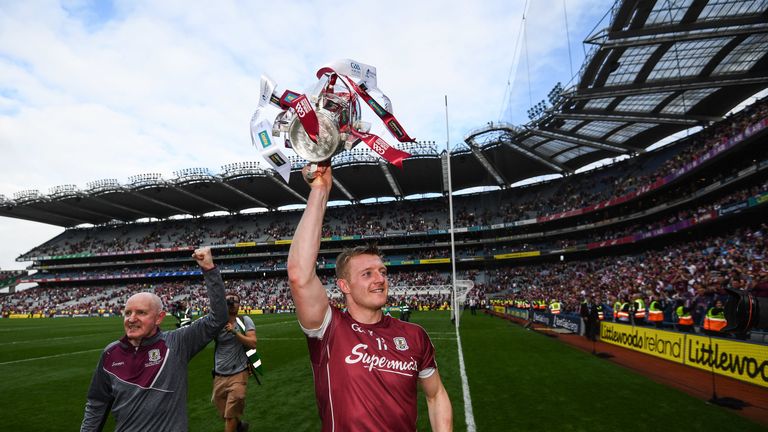
The 2017 Hurling championship will go down as one of the best in modern years with some classic moments like Wexford beating Kilkenny, Waterford defeating Kilkenny and Galway's games against Tipperary and Waterford, as they claimed Liam MacCarthy for the first time since 1988.
However, that is not enough to keep the status quo and after the Special Congress this Saturday in Croke Park, the format of the championship in 2018 could be significantly different.
There have been four different winners of Liam MacCarthy in the last five years compared to just Dublin and Kerry in the football.
We've also had six different teams contest the hurling final in that period.
In football, Dublin v Mayo has contested three of the last five finals and only Kerry and Donegal have made final appearances in the other years. The gulf in class between the haves and want to haves is massive in football but in hurling, the standard is pretty equal between five or six teams each year.
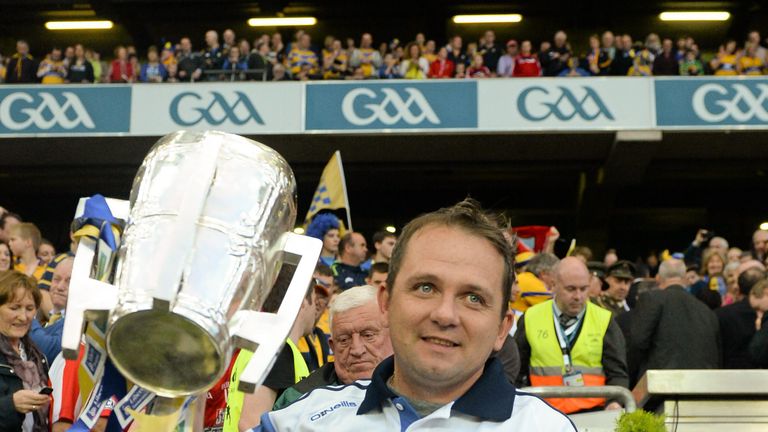
Whereas there was an argument for Clare to push on and contest after their 2013 final replay win over Cork, they fell in Munster in their first game, revenge for Cork and then they lost to Wexford in a replay in the first round of the qualifiers, with both games going to extra-time.
Kilkenny still had giants of modern hurling on the team with the likes of JJ Delaney, Jackie Tyrell, Michael Fennelly, TJ Reid, Richie Power, Eoin Larkin and Henry Shefflin at their disposal and won the next two finals (the second without Shefflin and Delaney who had retired).
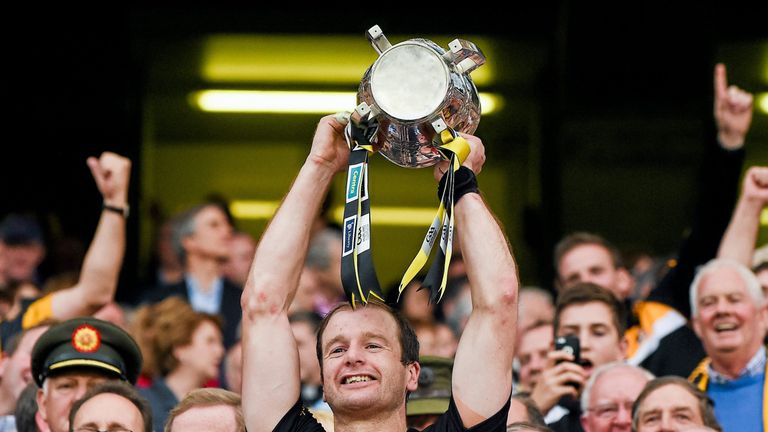
Tipperary famously stopped Kilkenny doing another three-in-a-row in 2016 and, after losing to Cork in Munster, managed to work their way back to the All-Ireland semi-final before Joe Canning hit the winner deep in injury time to send Galway into their third final in six years. They will still be a major factor in where the Liam MacCarthy cup stays for the winter in 2018.
Canning's winning point set up the unique pairing of Galway and Waterford in an All-Ireland final and Galway never looked in trouble in a 0-26 to 2-17 win.
The average age of the Galway panel is only 24.6 years, with goalkeeper Colm Callanan bringing the average up with his 34 years. This team have what it takes to win another few All-Ireland titles over the coming years.
The way they will do it might change due to the Special Congress the GAA are having on Saturday. Central Council are putting a motion to confine the championship to 10 teams (five each in Leinster and Munster) and play both provincial championships (Leinster and Munster) on a round-robin basis.
The round-robin basis would see each county having two home and two away games.
The counties finishing in the top two places in each provincial group would play in their provincial final.
The hurling qualifiers as we know it would be scrapped and the third-placed team in each province would meet the beaten provincial finalist from the other province, so the third-placed team in Leinster would play the beaten Munster finalist for example.
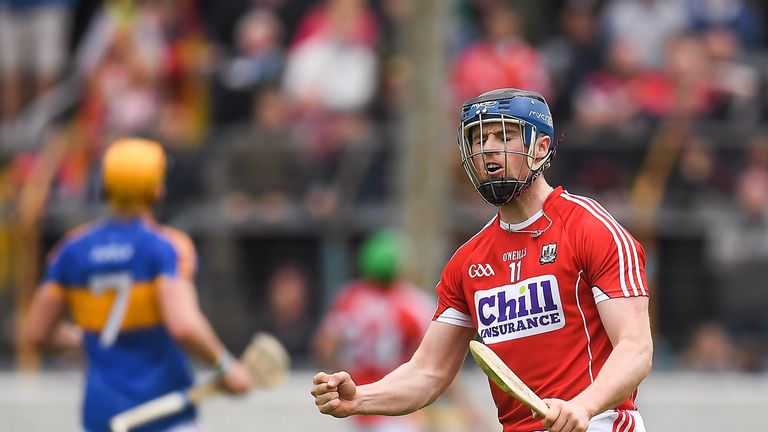
Cork, Tipperary and Dublin have all proposed different alternatives.
Cork want the current provincial championships to continue but with the four provincial finalists and four qualifier winners going into a 'Super 8' football-like structure to determine All-Ireland semi-finalists, this is the least likely to happen as it doesn't benefit the provincial winners.
Tipperary drop the round-robin from their proposal but it adds in losers rounds to the provincial championships and also in the All-Ireland quarter-finals, it allows the defeated provincial semi-finalists in each province to play-off with the winners meeting the two defeated provincial finalists, on a cross-provincial basis.
Dublin want to eliminate one round of qualifiers and bring back a system of four quarter-finals, including provincial winners. This was tried for a couple of years in the mid-2000s to limited success and will probably fall by the wayside.
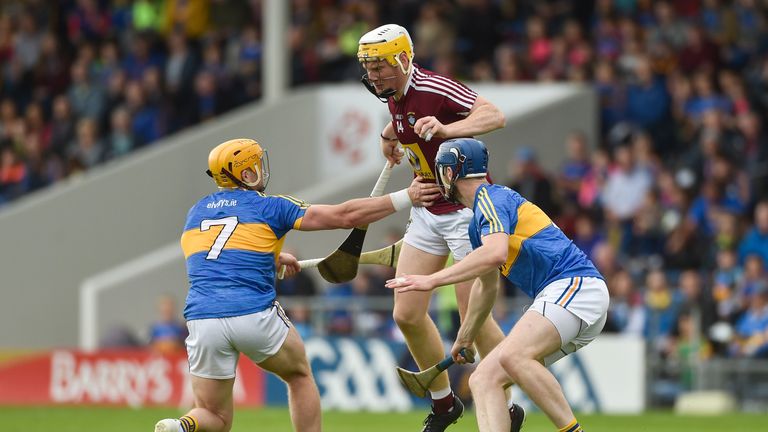
The like of Westmeath, Meath, Kerry and Laois will also have their fate decided on Saturday. If the Central Council motion is passed, which is likely, there will be a separate Tier Two competition.
The winner of that competition will replace the bottom team in Leinster for the following season, unless Kerry win, in which case Central Council want them to play-off against the bottom team in Munster.
If that wasn't enough to confuse you, Laois, Offaly and Meath have a motion that the two teams who contest the Tier Two final would each play a preliminary quarter-final against one of the beaten provincial finalists in order to give Tier Two teams a route into the main Liam MacCarthy competition.
GAA congresses tend to be pretty tame affairs with many of the outcomes decided long in advance, the Central Council's motion is likely to pass in Croke Park on Sunday. No matter what happens, it's hard to look beyond Galway or Tipperary to win the All-Ireland next August.