
Six months to Rio: Time to deliver for Sky Scholars says boss Tony Lester
Wednesday 3 February 2016 10:10, UK
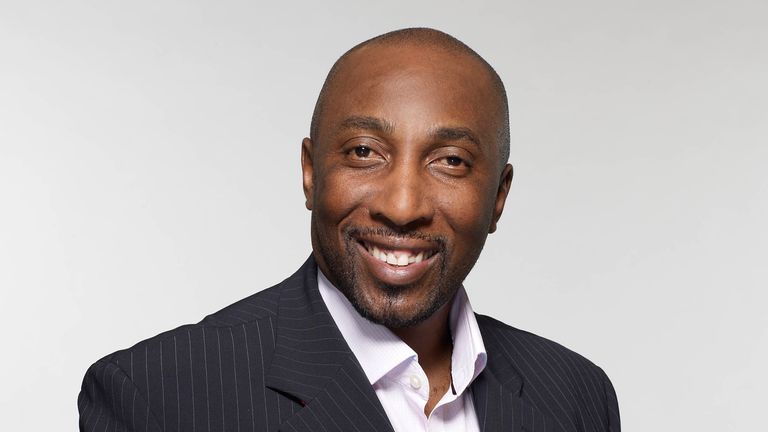
It's make or break time for the Sky Academy Sports Scholars as they enter the final stages of their battle to make the Rio Olympics.
The brutal truth is that some of the Scholars will be on that plane to Brazil in the summer. Some will not. Tony Lester, Scholarship boss since 2013, has seen it all and he's only too aware of the challenges awaiting the athletes.
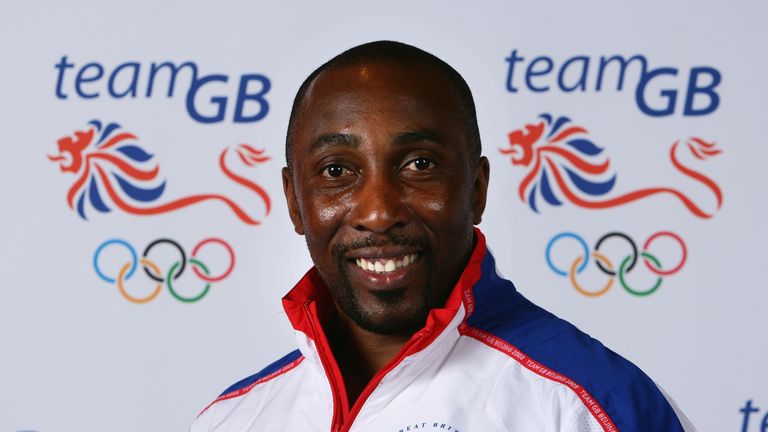
As a coach, he's steered runners Roger Black and Marlon Devonish to Olympic glory. For the journey to Rio, he's been wearing his Sky hat, nurturing some of Britain's and Ireland's top talent by overseeing an extensive tailored programme of support, with a little less shouting trackside.
So what does the next six months hold for the Scholars? How calm are they? What makes an Olympic champion?
Here are Tony's thoughts on a thrilling and gut-wrenching climax to the latest cycle of the Sky Academy Sports Scholarship programme...
The clock is ticking. For many of these guys, it's a key time in their careers. Only two of the Scholars have qualified - runner Mark English and pole vaulter Holly Bradshaw - but they still have to show fitness and if something happens like losing form or an injury then they'll be playing catch up.
It's a tough time and the pressure's on. They have to deliver, stay in shape and laser their focus on getting the job done. It's a two-part job now. The first is getting on the plane to Rio. The second is to compete and deliver.
It's sport though and there's no half measure. It's all or nothing. For these guys who are up against it in terms of qualifying, they've had four years to prepare for this. It will be the first attempt at making an Olympics for some, for others it will be their second.
The ones on the second round of trying to make it and not succeeding, it's hard but lessons will be learned. Every time a mistake is made, something is learned.
All the Scholars are excited and looking forward to the next six months. Some are competing, preparing for the indoor season, some are on training camps and some are just doing their thing. They know they are halfway down the road to Rio and others know it's a long way to go and still have to clear a lot of obstacles.
We can't afford to get involved in any emotional distractions though. I'm not their coach, Sky as a business aren't their coaches, so we have to stand back and watch the story unfold.
I can be distant from all of this but because you know what they're going through with all the emotions and pressures, I can become that other mentor.

I've been with Olympic teams and gone through the selection process and I can talk to them at that level. But I never get involved in the coaching aspect. I can't afford to give wrong messages.
I won't impose my opinions heavily because that creates a conflict between me and the coach. I stand back. I can speak to the Scholars about agents and other stuff, but ultimately it's their career and not mine.
I started leading the Scholarship in 2013. The scheme involving the London Scholars was really a pilot to see how Sky could get involved and support British athletes. The learning from this is we can be a lot broader.
I made the call to go for Olympic sports again. For the majority of athletes, an Olympics is the pinnacle of their sport, whereas in football or rugby you have World Cups. But going forward we are starting to engage with other sports.
What makes an Olympic champion is something I'm often asked. You need talent. You can't become a champion without being good at what you do. You need to perfect you craft, day in, day out, with diligence and toughness.
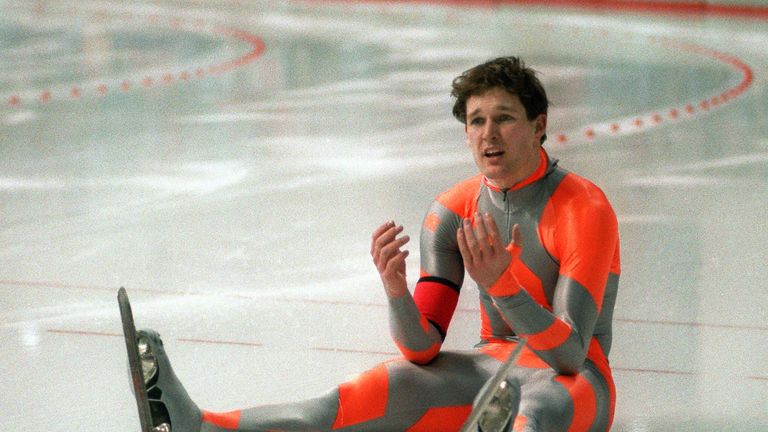
But one other thing you need is a lot of luck. You can be the best in the world but a week out from a Games you can catch a virus or pull a muscle or land heavily. You cannot undo that damage.
For anybody who doesn't know the story of speed skater Dan Jansen I suggest you look him up. The American overcame grief to win Olympic gold in the final race of his career in 1994 in Lillehammer. His story is what makes an Olympic champion. Check him out please.
My other Olympic heroes are two people for very different reasons.
From my era it has to be Daley Thompson, as he epitomises the true values of hard work, total self-belief and he was not afraid to show in class with his "in your face attitude" to all those who dared to challenge his superiority.
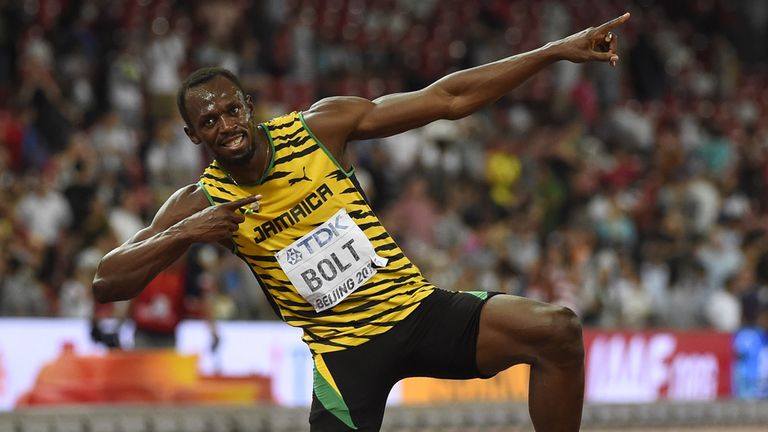
Plus there's Usain Bolt, as being Jamaican I have a strong loyalty to my heritage. Jamaica has had a history of producing great sprinters from such a small island, this makes me extremely proud to be Jamaican.
Furthermore Usain has become the saviour of a currently dysfunctional sport that sadly we all still love, and live in hope of it cleaning up its act.
And so it's down to the final six months for the Scholars. Is there one bit of advice I'd offer them?
Stick to the task and don't change your plans - you've done it all already. Why would you change what you've done over the last three years?
It's worked so far, so any changes now would mean you're panicking or you've lost your self-belief. Keep that simplicity.