


Represent is a one-off Sky Sports series exploring how heritage, nationality and ethnicity interlink to make an athlete's sporting identity.
In 2018 while playing for Cardiff City, Neil Etheridge became the first player of South East Asian heritage to play in the Premier League, a title, he says, he is “very honoured” to have.
“No one can take that away from me,” he told Sky Sports.
But that wasn’t the start of his journey when it came to representing Asia in the footballing world.
The goalkeeper grew up in Enfield, London, and spent time at both the Fulham and Chelsea academies. He went on to play for Bristol Rovers and Crewe Alexandra on loan, and spent the latter half of his career at Cardiff City, before moving to Birmingham City where he currently plays.
In 2007, Etheridge received an invitation to play for the Philippines but turned the offer down due to being unfamiliar with the language and football set-up in the country. In 2008, a new president took over the Philippine Football Federation and asked Etheridge once again to play for the country.
With encouragement from Chelsea youth team-mate Phil Husband and his brother James, who both played for the Philippines, Etheridge switched allegiance to the country. Etheridge has played for the Philippines ever since, and in 2022 became the team’s captain.
But how has it changed him, as both a player and a person?
Getting a Filipino passport, Etheridge says, was tough. There are strict rules, such as one parent having to hold a Filipino passport when their child is born, but the Filipino Football Federation were supportive.
“There were a lot of questions, a lot of admin. And my Mum did it all,” he laughed.
The 33-year-old said playing for the Philippines has made him feel more connected to the country.
“Filipinos are all over the world and I’m very proud to play for the Philippines. It’s a responsibility that now I’m getting a bit older, I enjoy having.”
He played for England at youth level and was “extremely happy” doing so, but that he felt something different when he first went to play for the Philippines.
“I really wanted to go and play. And I've never looked back. I've never regretted my decision not once. Because I've been able to help Filipino football from 2008 to now,” he said.
But what was it, that feeling?
“It was a sense that everyone there was extremely proud to be there. Filipinos are extremely proud of the country. And not saying that no one else isn't. We just are. And it was something that was like a togetherness a family. And it just made me want to play,” he said.

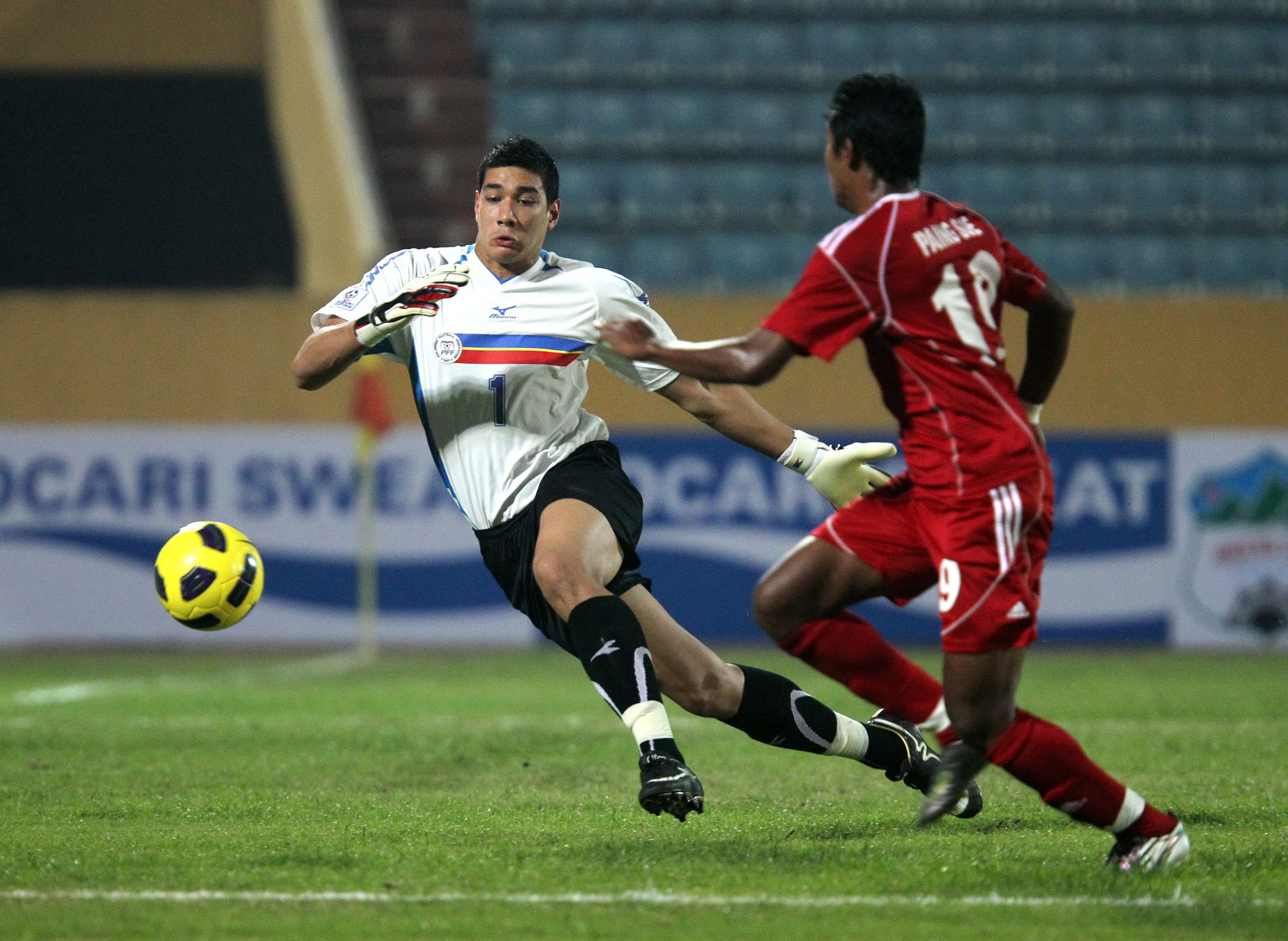

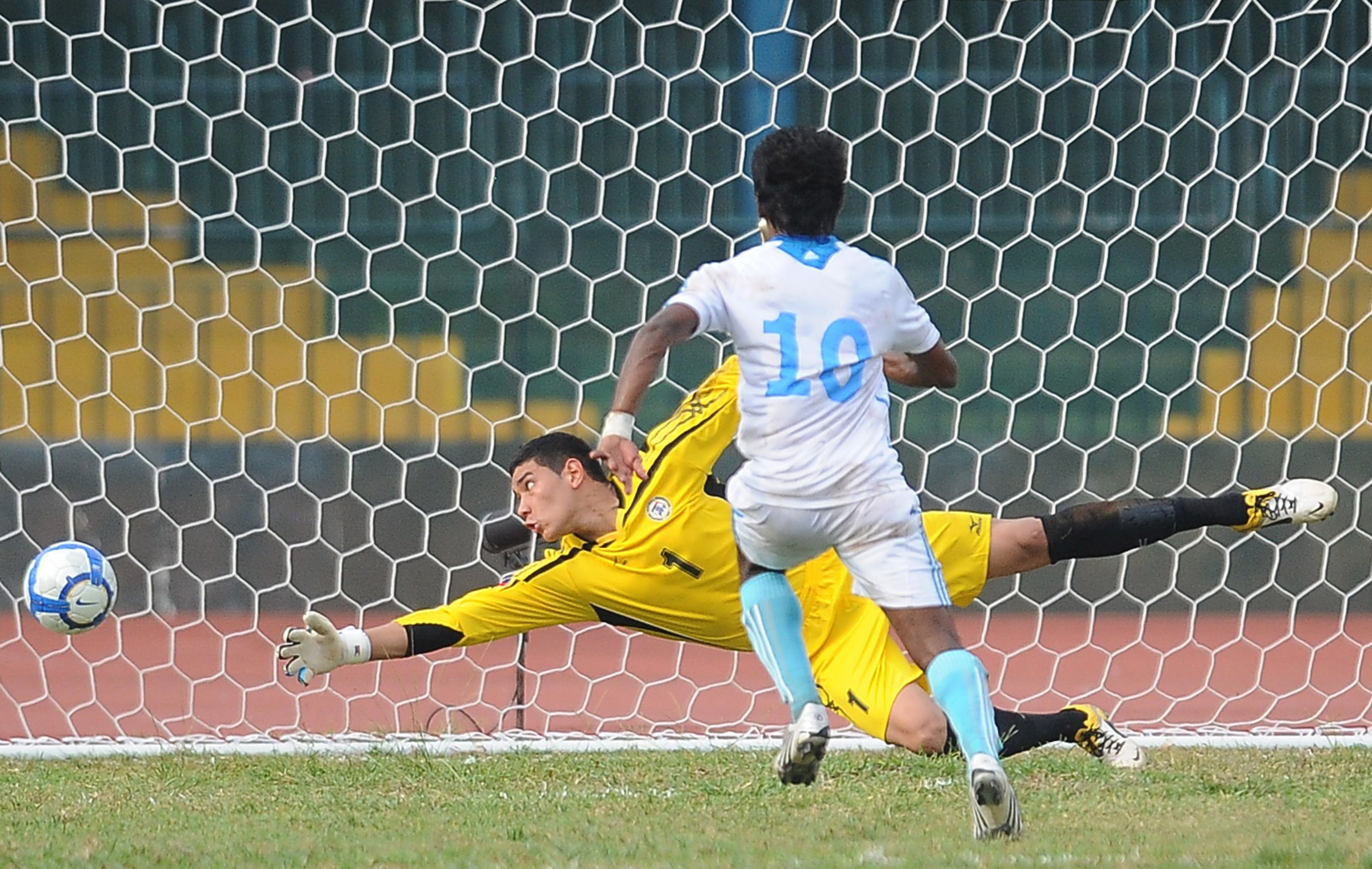
The goalkeeper says playing football for the Philippines has made him feel more connected to his heritage.
If someone asked him where he was from when he was younger, Etheridge say the answer would have been “I’m English. Because I was born here.”
But now, he says, he makes a point of saying that he’s half Filipino. “That’s something that I’ve grown to do."
“I feel like nowadays that’s quite a normal question because there are so many more mixed-race people.”
Etheridge spent his childhood going back to the Philippines and spending school holidays there.
“As I've got older, I'm like, well, I need to take this upon myself to kind of represent the country. And I'm very proud to do so,” he said.
“I've had to change my personality over the years because my responsibilities have changed. When you put the captain's armband on, your responsibilities change, when you play overseas for them responsibilities change.
“There's an expectation as well - you're playing in one of the most well-known leagues across the world, you have to take responsibility, performance wise, off the field and on the field. My performance levels had to be at a certain standard, I couldn't just go there and just relax.”




'Giving something back for goalkeepers'
Another responsibility the Birmingham City player has is the goalkeeping academy that he opened in Manila in 2015.
“It was [about] starting something up to help others. Especially being a goalkeeper, it's a very specific specialised position. So even more so. And there are other friends that I have who have footballing schools in the Philippines.”
Etheridge says his academy was specifically for goalkeepers to give something back to the players in the position.
One player from the academy has gone on to represent the Philippines under-23s team, who was born and bred in the Philippines.
“That’s a massive thing for me to see and I’m extremely proud to see him do that and be a part of that journey,” he said.

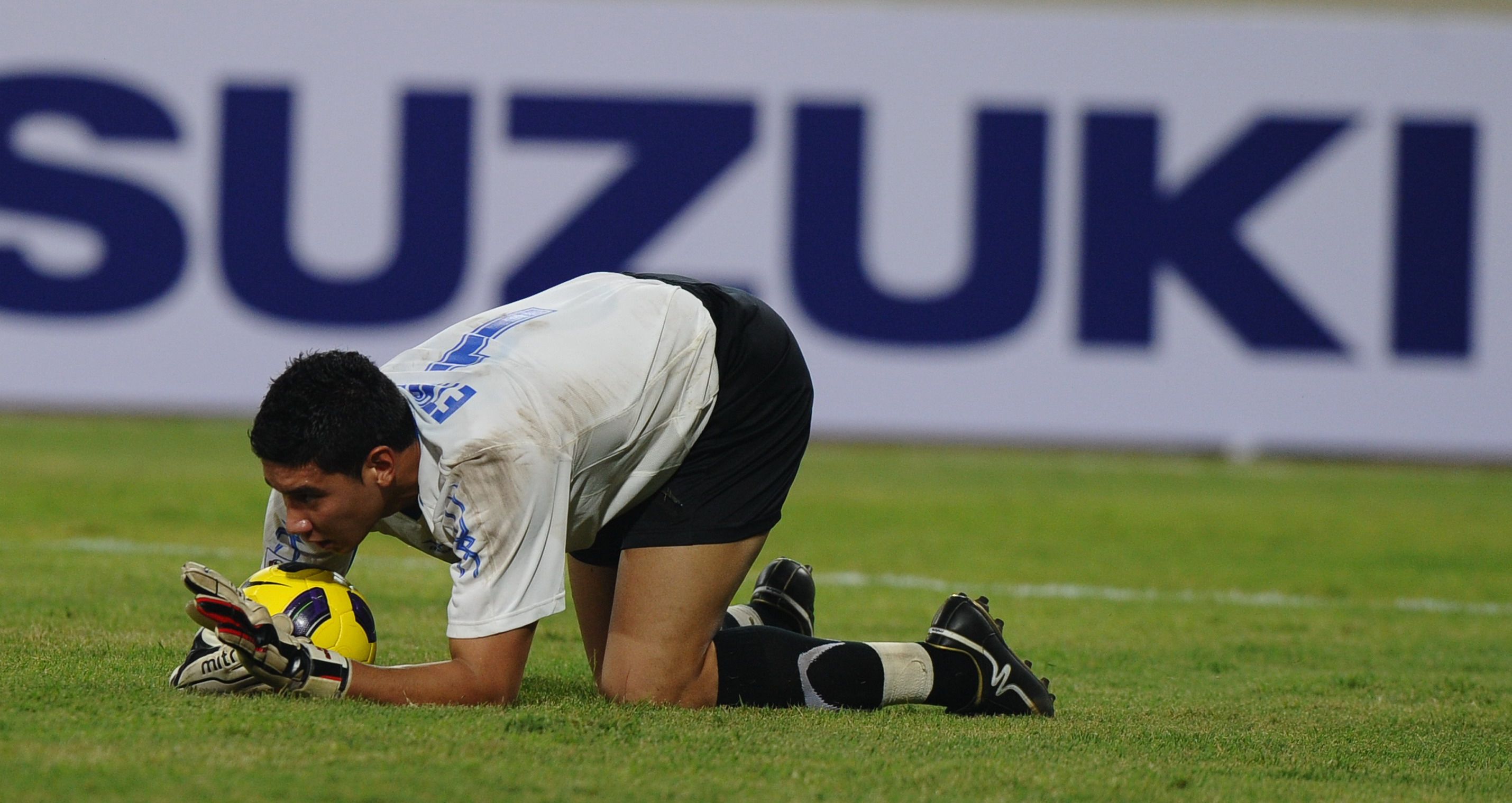
Making sure football develops and grows in the right way is something Etheridge says he is passionate about.
He wants more players who might also be of mixed Filipino heritage from Europe and the USA to come and play for the national team.
“We can build a team together and go to the Asian Cup and compete on the world stage. And I guess that's my responsibility now, trying to look for other players like myself,” he said.
“We've got players in our national team now who are half Spanish, half American, whatever it may be. Until our infrastructure within the Philippines becomes like England, it is hard for academies to excel and bring national team players forward at the level that we want to compete at.”
‘Infrastructure cannot be built overnight. It has to be planned.’

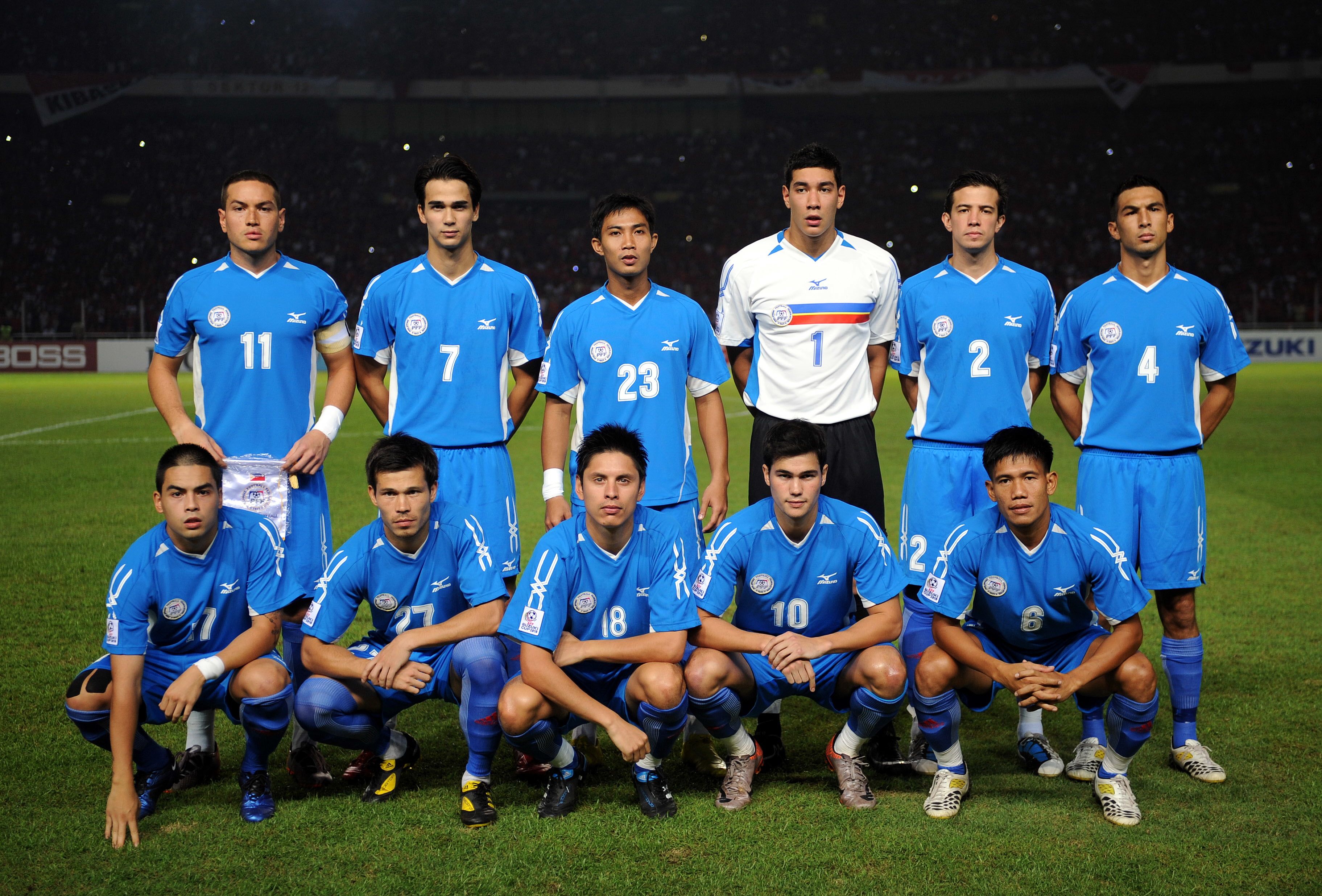
How important is it for Etheridge to use his experience from English football and take it to the Philippines?
“You're helping a nation compete at a higher level, so that that country can compete at a higher level in the future,” he explained, and said the aim is for people born and raised in the country to eventually have far more opportunities by recruiting people with Filipino heritage from around the world.
And that is a recipe that the Philippines women’s team are currently using for success. In 2023 they qualified for their first World Cup, and 18 of the 23-woman team that travelled to Australia were born in the USA.
Etheridge said the moment the women’s team qualified was historic, and that “girls’ football has boomed” in the country since and that it is crucial to keep the momentum going.
“The women won't mind me saying that four years ago, they were losing 10-0. So it's an amazing journey that they've taken and is similar to ours,” he said.



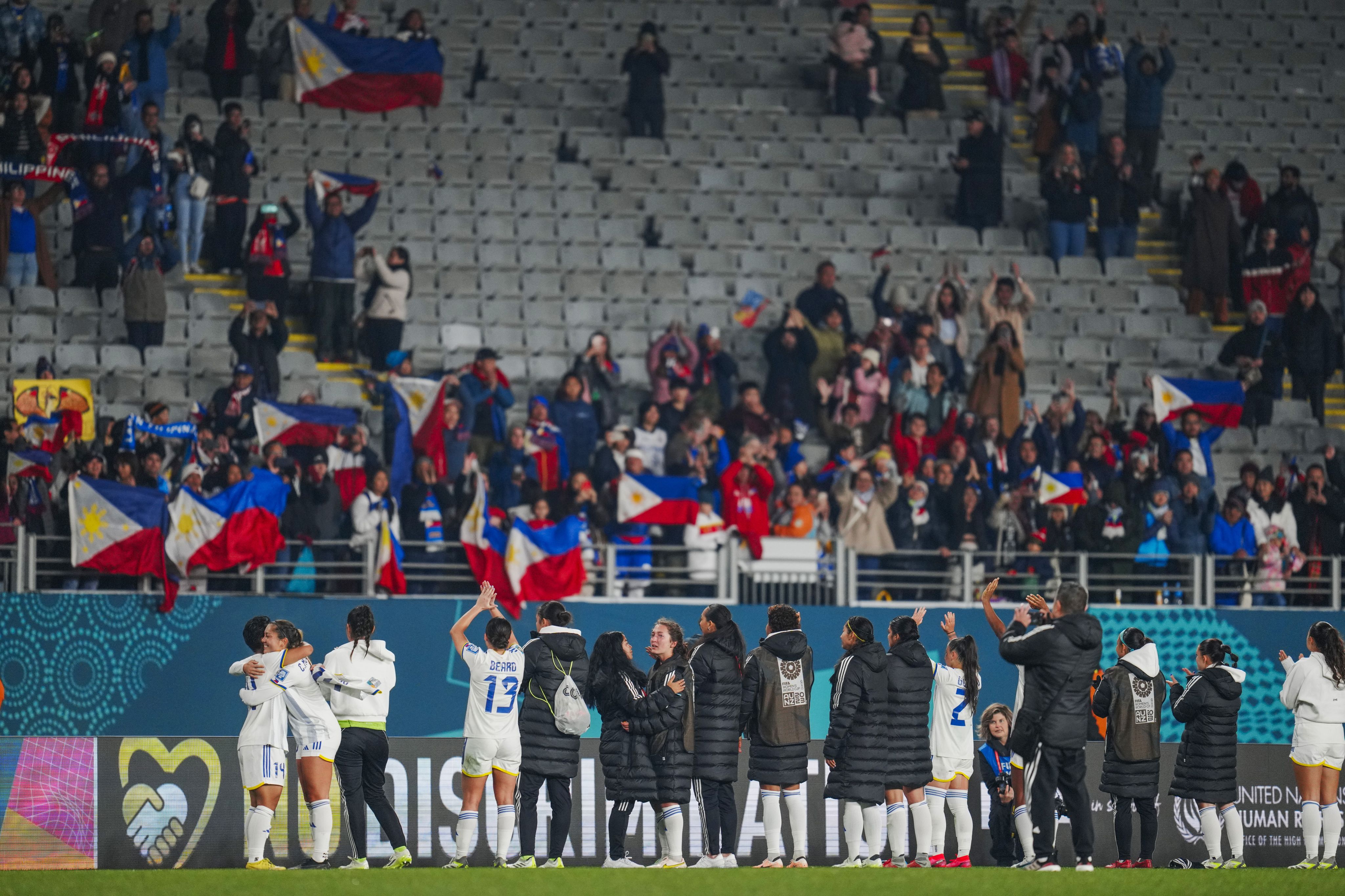
"It doesn’t happen overnight. And infrastructure cannot be built overnight. It has to be planned. And to execute the plan, it takes a long period of time to get it right.”
“I'm looking at other countries within Southeast Asia - Thailand and Malaysia probably being the two best examples, where they are further down the development stages than Philippines. They’ve now got leagues, academies and football is accessible to everyone there whereas the Philippines is slightly behind,” he said.
“But looking forward, maybe in 20, 30 years time, if I could say I was a part of the first early development stages of where it gets to, I'd be extremely happy.”
“It's nice to feel love from your people.”
Etheridge says playing football outside of the UK has opened his eyes to how huge the footballing world is.
“I think you do get consumed that it's just the Premier League, the English pyramid,” he said, and acknowledged how important the 2022 men’s World Cup was as an example of seeing new and exciting teams playing different styles of football.
As a player who has suffered horrendous racism while playing in the UK, Etheridge says it’s refreshing to play in Asia where is not a minority, and where he feels so welcomed.
“Obviously the support is completely different in every league and every country. So for me, I'm really happy to go to Asia and experience a different sort of love basically,” he said.
“It's nice to feel loved from your people.
“I think you speak to a lot of players with mixed heritage and who represent their national team, which may not even be even Europe, and they’re playing a large part in making football grow around the globe and make it even more competitive. Those sorts of things are massive.
“I feel like we are slowly bringing the footballing world closer together.”

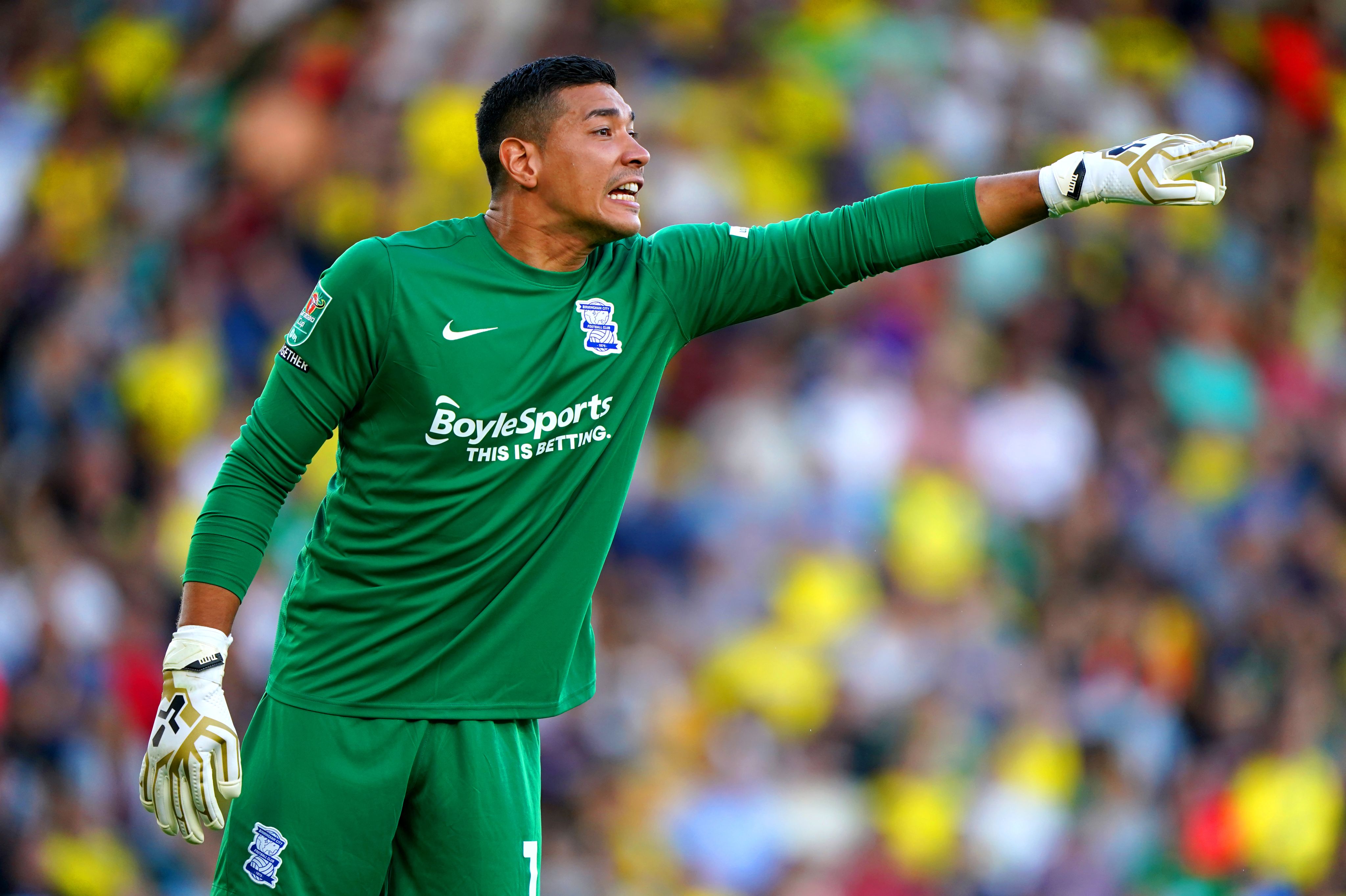

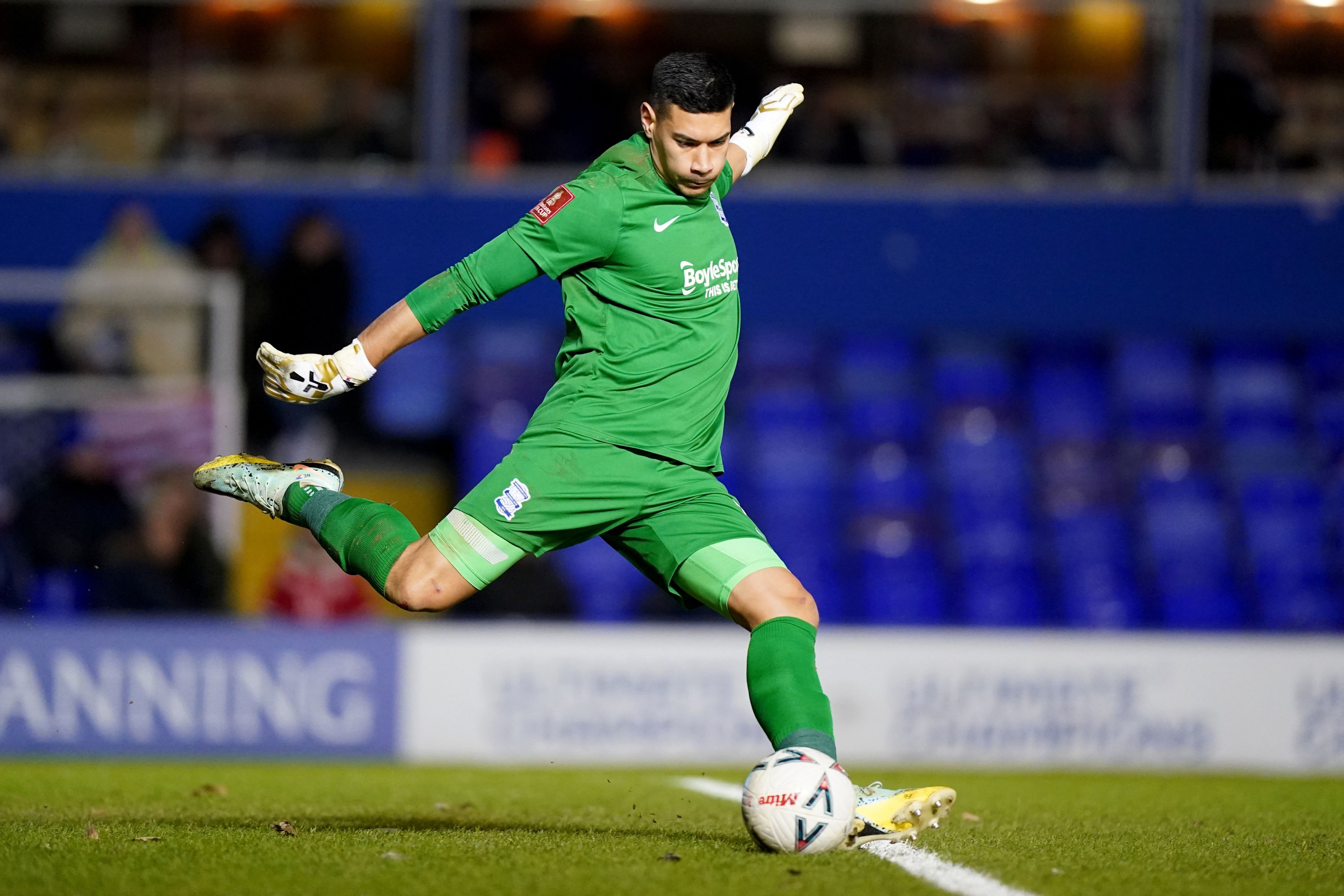

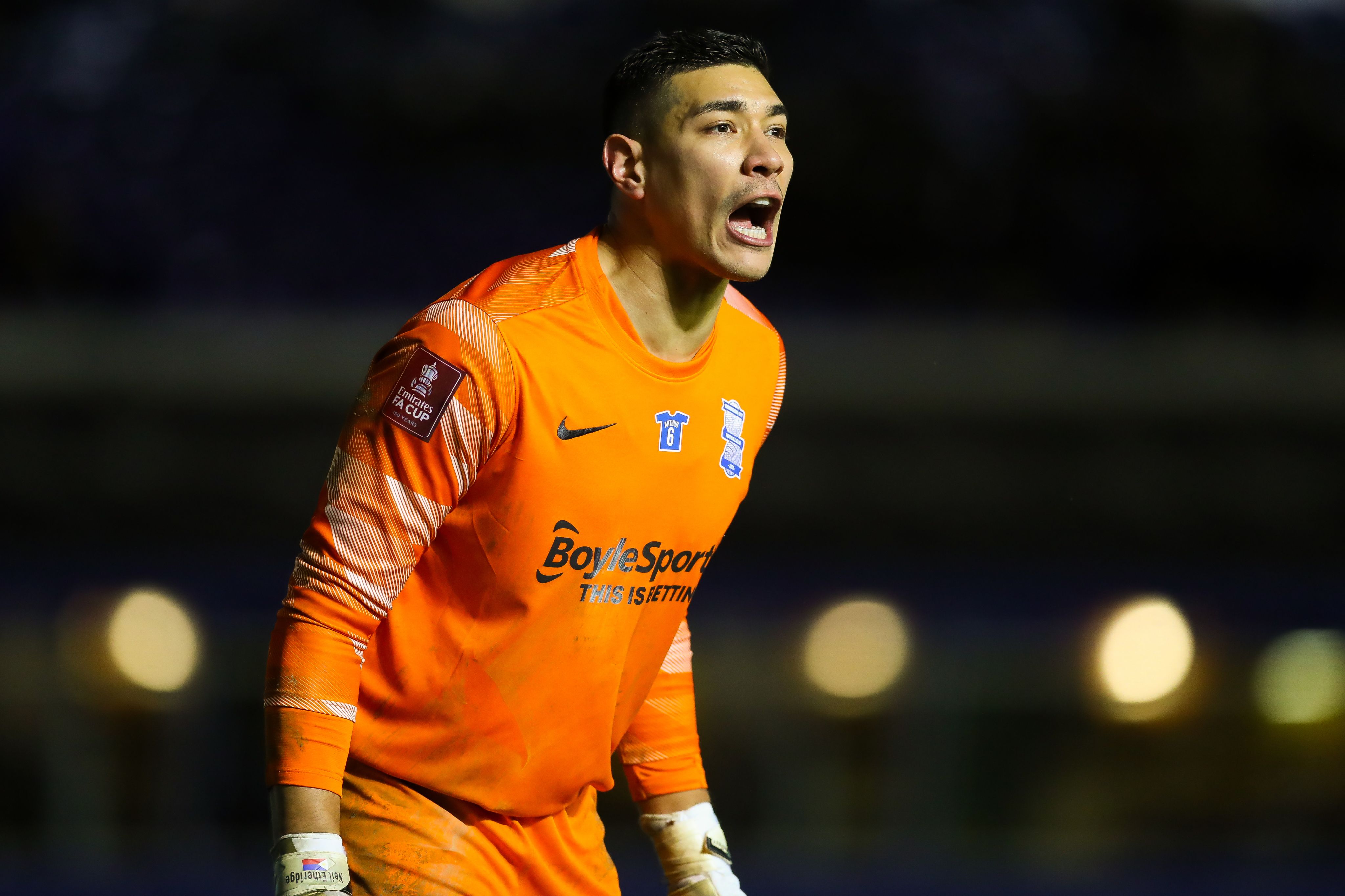
'I feel like we are slowly bringing the footballing world closer together.'

 Built with Shorthand