
Head of Sky Scholarships Tony Lester reflects on how failure can fuel dreams after the Olympics
Friday 24 March 2017 11:23, UK
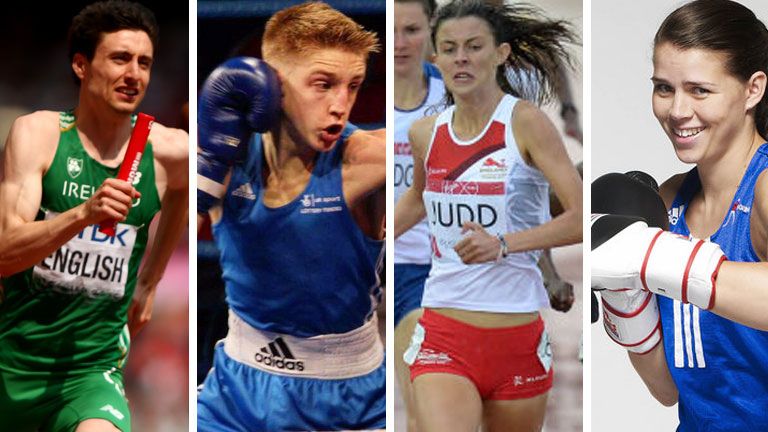
Four Scholars made the Olympics. Five didn't. It's been an emotionally-fuelled journey for the athletes since Sky's backing began after the London 2012 Games.
Tony Lester, former GB coach who steered runners Roger Black, Marlon Devonish and Abi Oyepitan to Olympic greatness, oversees the support programme and is fiercely proud of the achievements of the Scholars regardless of their qualification success.
With thoughts slowly turning to the Tokyo Games in four years, the Head of Scholarships reveals how he's helping to rekindle the spirits of the athletes who didn't make Rio.....
For the Scholars who made the team, it was fantastic and well deserved. For the ones who didn't, then this will have made them more resilient and hungrier. That's the beauty of failure. If you learn, it makes you a better athlete. If you haven't, then it makes you a stupid one.
But you support all of them regardless, particularly if they crumble. They don't crumble for long though. You see what it really means to them and although you try not to be emotionally attached, you totally understand their mentality and what they go through. It's like being a caring parent.
My opinions with them have to be unbiased because I'm not their coach. Some have spoken to me and we've had some really good dialogue, while some have sent long emails outlining their frustrations at what they could have done better. Some have asked me for advice going forward.
They have to grieve to start with, reflect and go over the loss of not getting their GB tracksuit. Seeing your buddies at the Olympics can make you stronger.
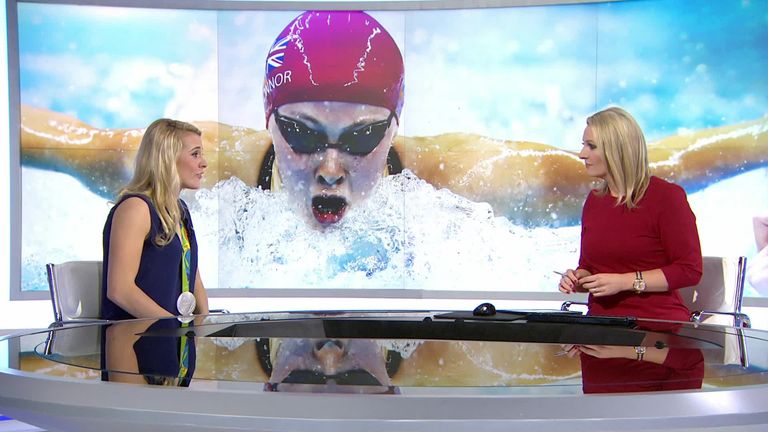
First they need time out and get away from everything. With the world of TV and Twitter 24/7, it's tough to totally switch off.
They need a long rest, have some fun and have a beer or two with their buddies. You step away from all of it because the environment can be quite toxic - it can consume you, so it's important to be consumed by something else that's not sport.
You can't sit away for six weeks sulking too much about what could have been because when you come back you realise nothing's changed. I've told all the guys to go away, have a break, reflect and come back a new person.
Sprinter Abi Oyepitan went to the 2003 World Championships in Paris having won the British Championships by a country mile. She was 21 and ran awfully. Michael Johnson berated her on TV over her technique.
I was equally annoyed as a coach and she was upset. We had a chat the next day and I told her it was a poor race. I said she was wasting my time and her time and told her to take the sport seriously or get a job.
A sports person's lifestyle is very privileged doing something they totally love. It's the same as a musician. You spend all day perfecting your craft for that great performance. Athletes go to the track, the gym and if you cock it up because you didn't practice your lines then whose fault is it?
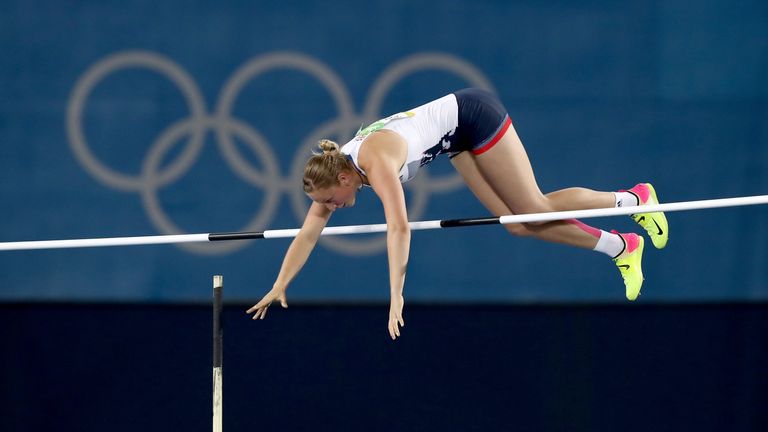
I told Abi if she didn't get a job then come back in October and be serious about it. A year later she was an Olympic finalist and was the second fastest British woman in history. She had reflected and got serious. When she applied herself, she was the best athlete in Britain or even Europe.
Many athletes blame someone else for their mistakes, but they need to try to take ownership of their direction. They are the ones going into the arena. But many can't take ownership because they don't know how to.
The smart ones will learn this but members of their support team, like the coach, psychologist, or nutritionist, don't live inside their brain. The athletes need to question things and if you're a good coach you listen.
As young athletes, they have to strive to be a scholar of their sport. They need to know all about boxing, or cycling or whatever sport it is. You study your event so you know the details.
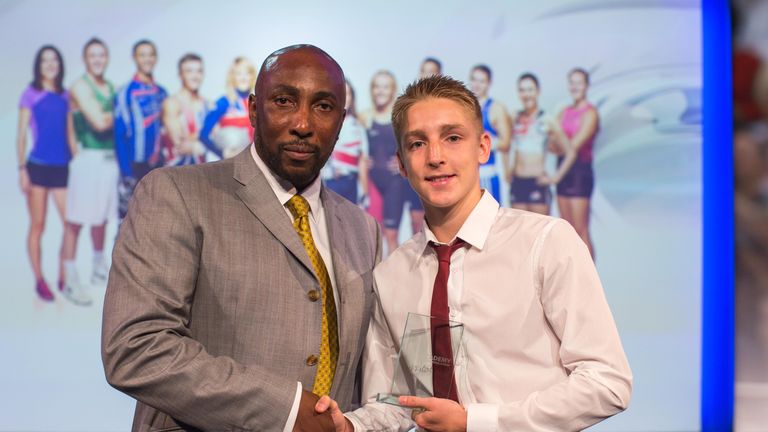
They need to think about what to do better, talk to their coach, have a plan and go from there.
I use the acronym STAR - Set clear goals. Timescale. Action plan. Review the processes.
They need to come back from their break and set targets, have a timescale for Tokyo in four years, work out how to get there, what they need to do, how they do that, review the process, train, compete and reflect….and it just keeps going!
But it's not all about the Olympics. In between there are two European Championships, World Championships, Commonwealth Games and the British Championships so there's plenty to keep them busy.
They'll compete against the same people so they don't have time to sit around and think about it too much. They will dust themselves down and it'll be onwards and upwards. It's all about your dreams and aspirations and you need a plan.
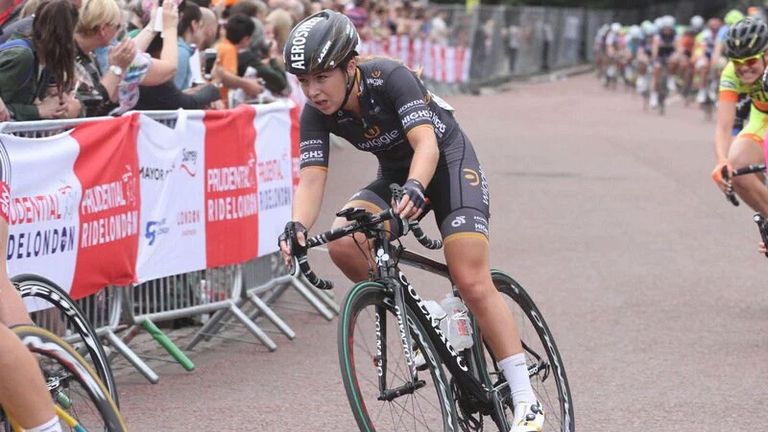
So what's next? Our current Scholars keep going until May and then the contract ends. We will optimise what we can do with them and the story continues - the world doesn't end with the Olympics!
My job is looking at the next rotation which begins next September. We have an ad campaign for TV and we won't just focus on Olympic sports. We are making it broader but no team sports.
Olympic sports are still on the radar though and we are looking at others. Maybe a F1 kid carting or a tennis player or indoor rock climber.
Many sports need exposure and we also have the Sky Mix channel. We can show all these sports through the media. Many sports are small but very cool, plus there are many others are applying for Olympic involvement.
WHAT'S COMING UP FOR OUR SCHOLARS...
SEPTEMBER 6: Mark English, Roberto, Italy
SEPTEMBER 7 - 18: Paralympic Games, Rio
SEPTEMBER 10: Holly Bradshaw and Mark English, Great North City Games