

Represent is a one-off Sky Sports series exploring how heritage, nationality and ethnicity interlink to make an athlete's sporting identity.

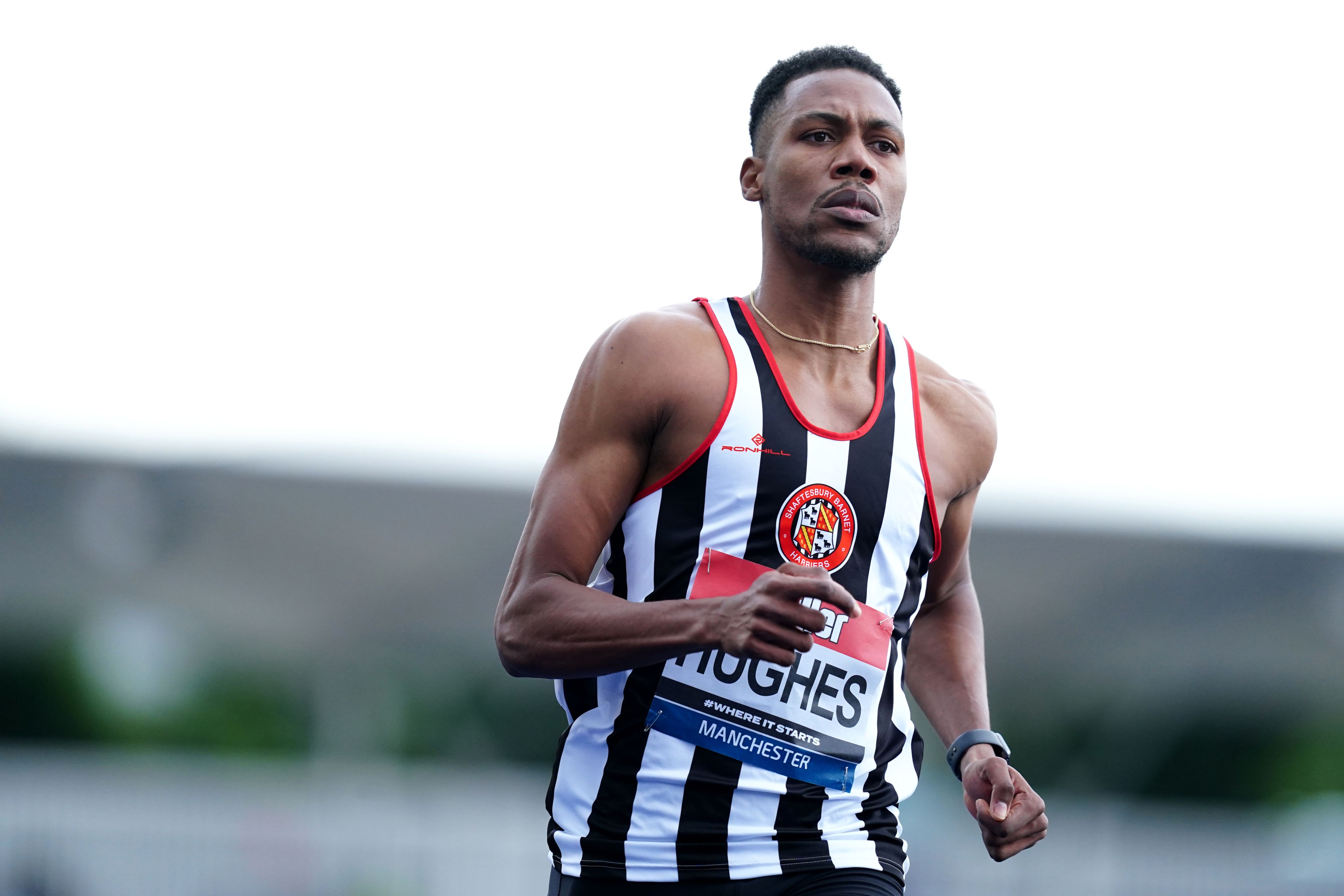
Imagine growing up on a tiny island in the Caribbean with a population of just 15,700 people. Then imagine discovering you are a fast runner. Like, really fast. Could-compete-on-the-global-stage fast.
When you turn 15, you find out that the island you call home does not have an Olympic team. Your home, Anguilla, is a British Overseas Territory without a National Olympic Committee, which means you cannot compete at the Olympic Games - the pinnacle of your sport, an event at which you'd run the blue-ribbon race - unless you represent Great Britain.
Fast-forward a few years, and you are finally cleared to compete for Great Britain. It is 2015, so your eligibility comes just in time for the Rio 2016 Olympic Games.
You should be relieved. You should be focusing on your season and the upcoming London Diamond League meet you are about to race in. You should be worrying about how to chase the times you know you are capable of - times that might one day become new national records.
But then you are labelled a ‘Plastic Brit’...
After being riddled with injuries over the years, Zharnel Hughes finally had a fairytale season in 2023.
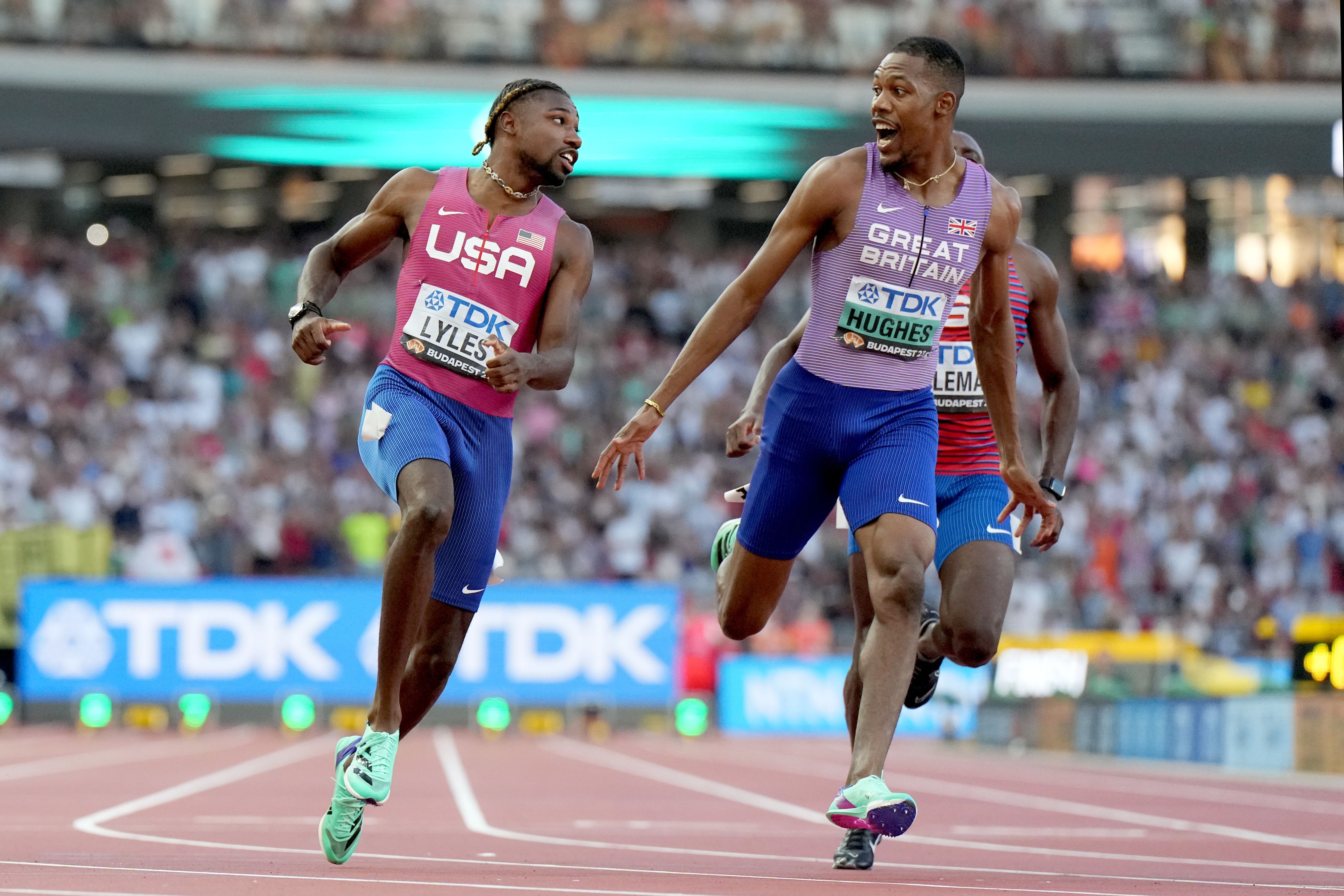
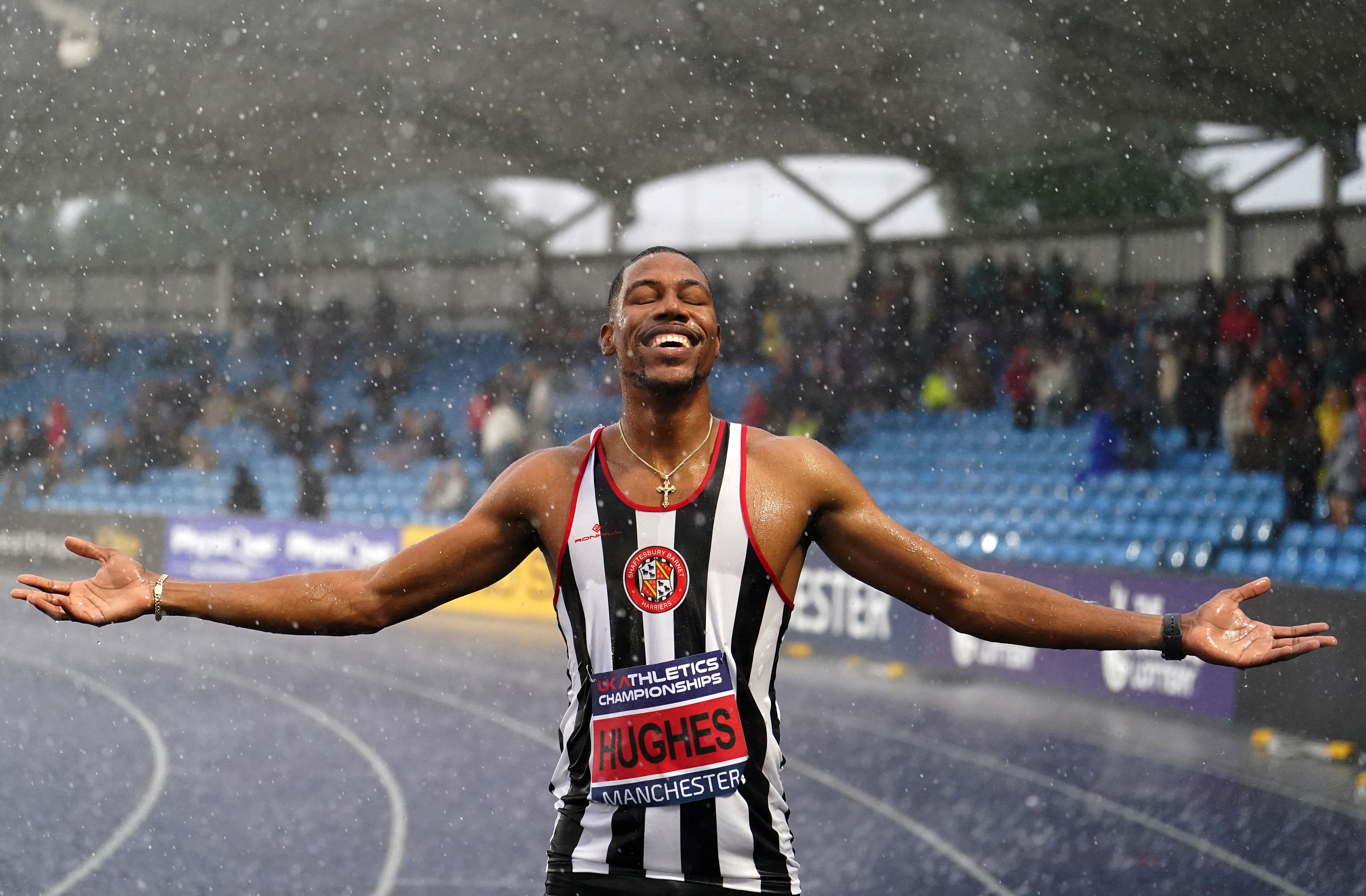
The sprinter broke both national sprint records in the space of a month, clocking 9.83 seconds in the 100m and 19.47 seconds in the 200m. The previous 100m British record belonged to Linford Christie, the 200m record to John Regis.
Both records were 30 years old. To put that into context - Hughes was not even alive when they were set.
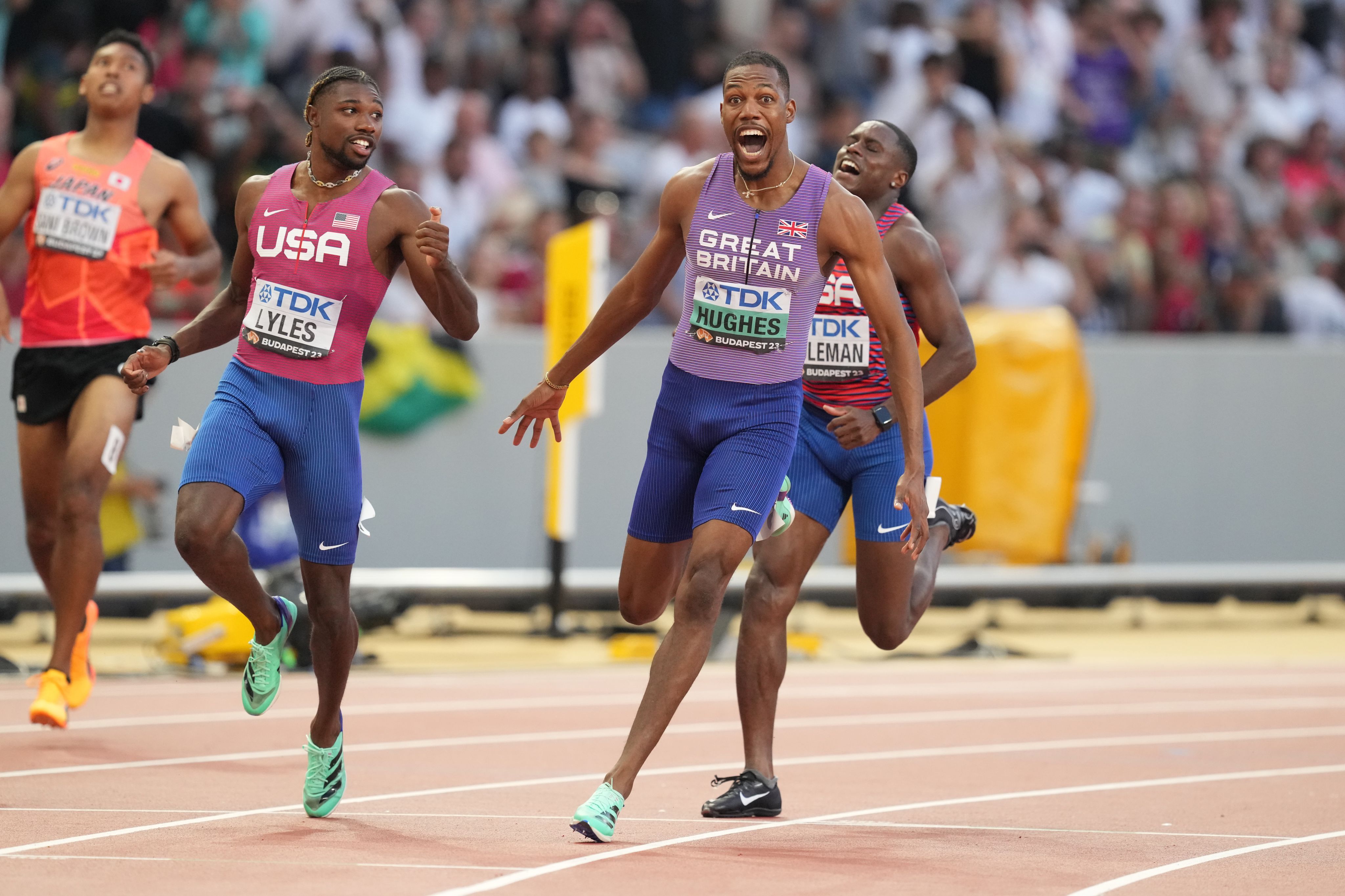
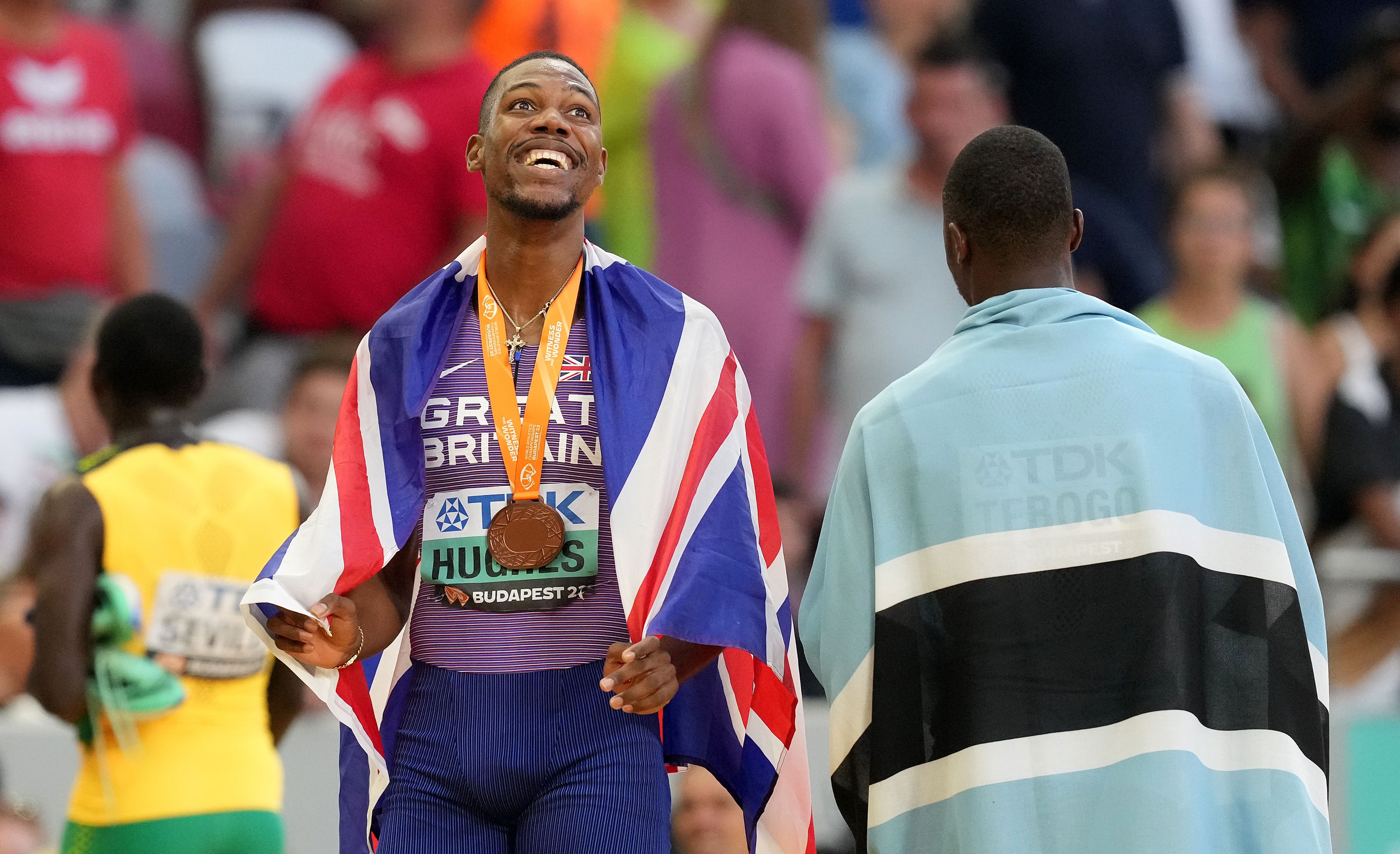
He also won his first global individual medal in the 100m at the World Athletics Championships in Budapest, making him the first British man to make the 100m podium at a World Championships in two decades.


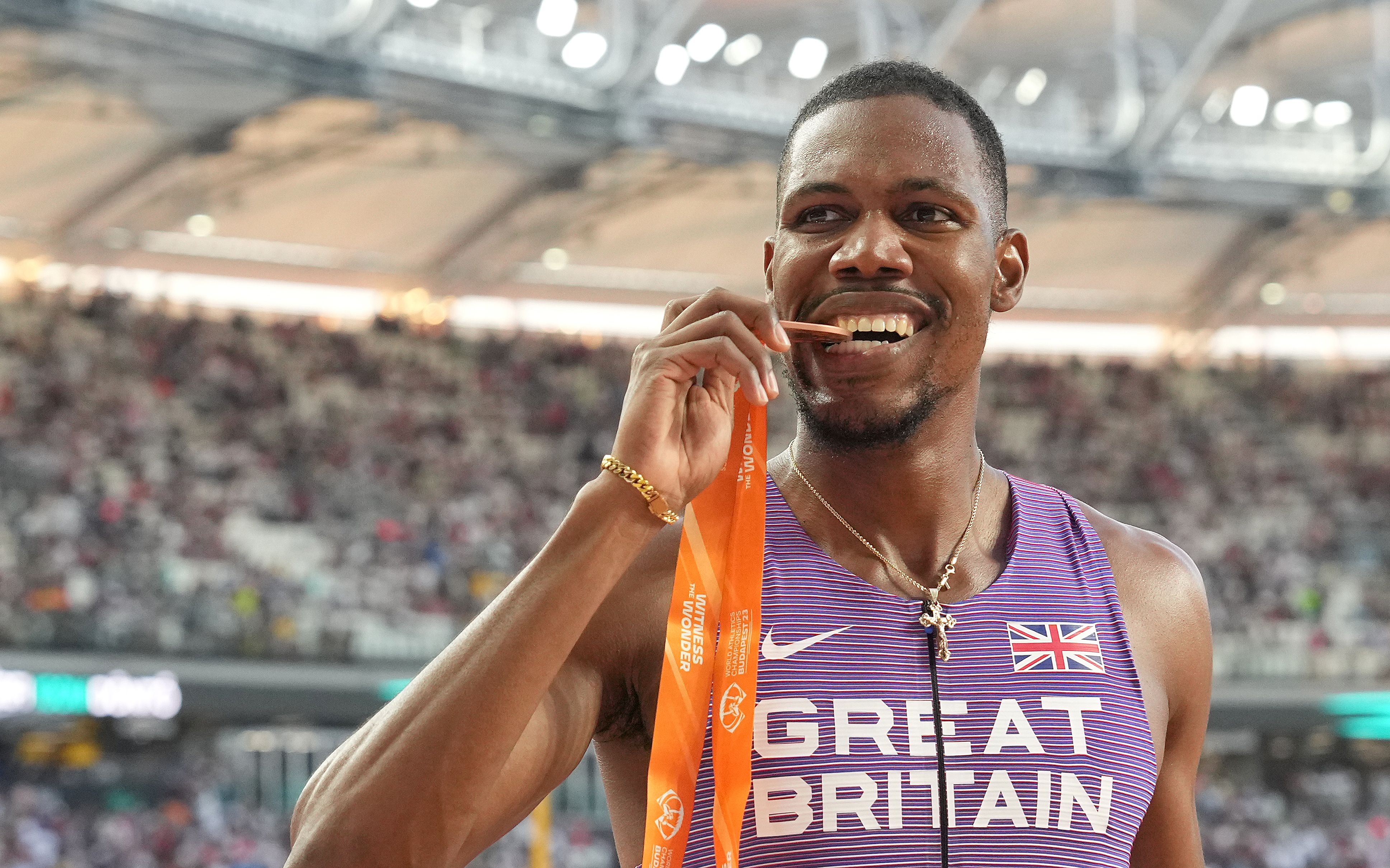

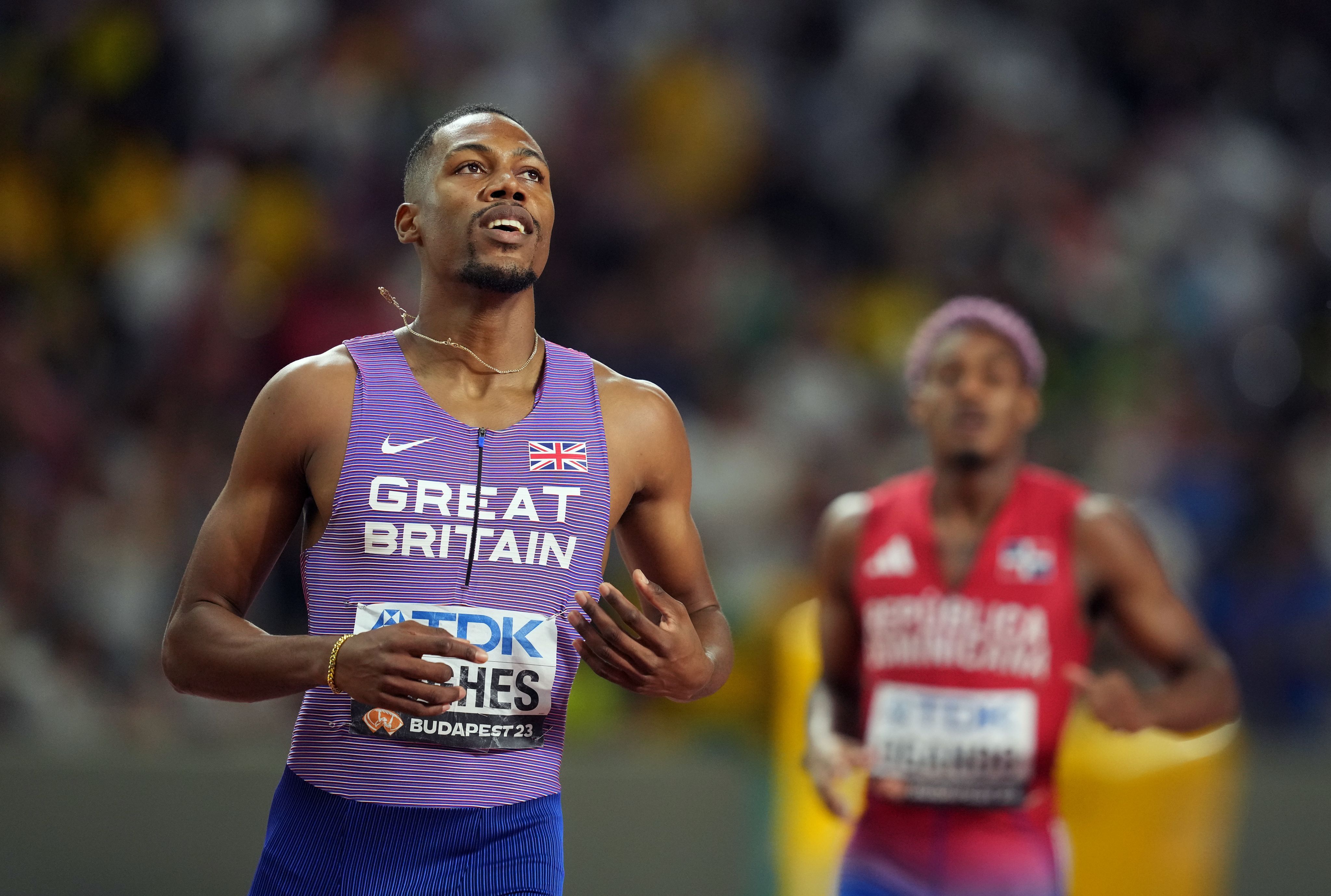

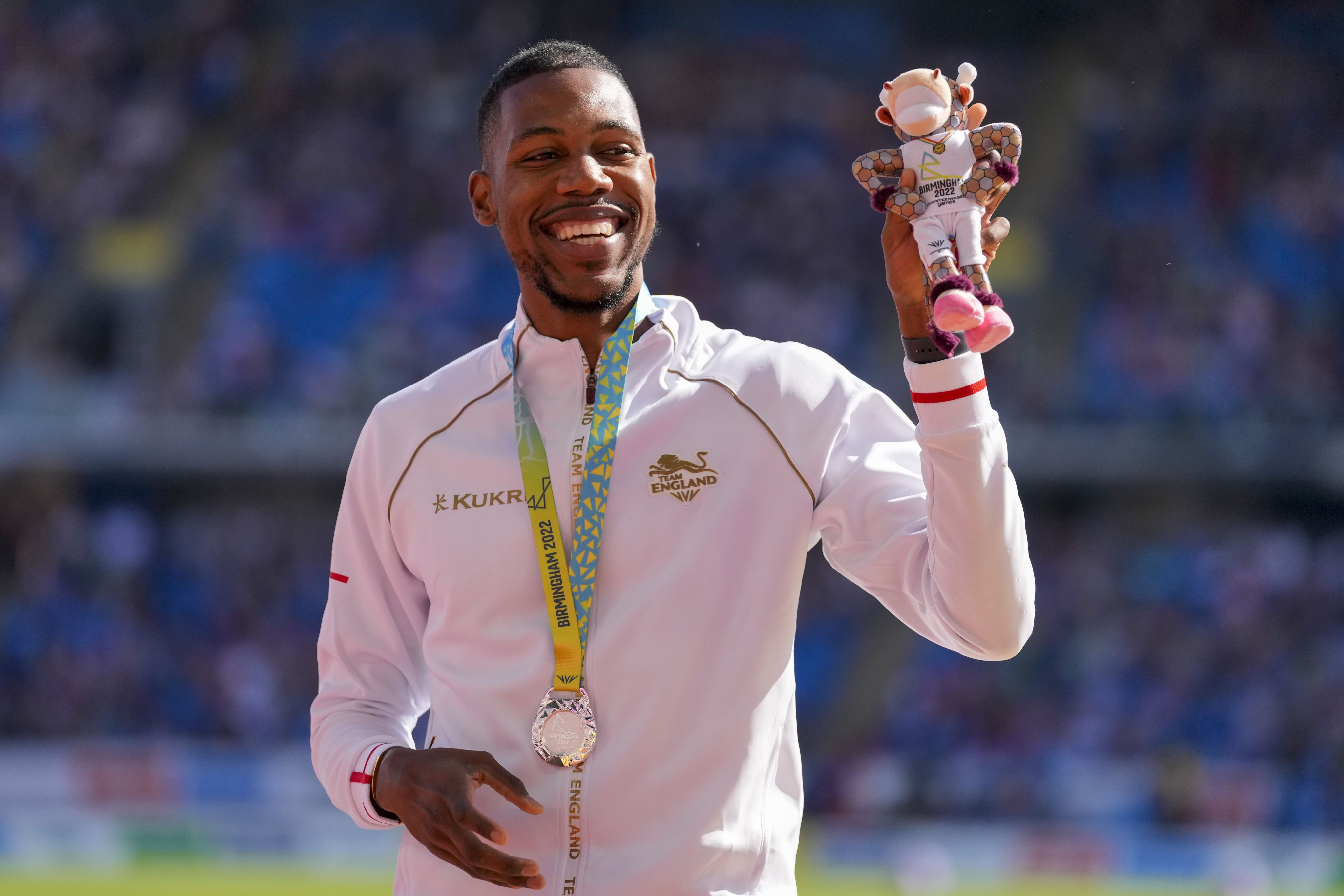
The 28-year-old grew up racing against his dad, brothers and cousins on the beach in Anguilla, which has a total land area of 35 square miles.
The island does not have a synthetic athletics track - just a grass field. Hughes first competed there when he was 11 years old, and ended the day winning seven different athletics events.
"I pushed myself extremely hard to get stronger," Hughes tells Sky Sports.
Hughes was 15 when he found out Anguilla did not have a National Olympic Committee. At that point, he already knew about slavery and colonialism.
"That was taught in primary school so I had an idea of what was going on," he says.
Most of Anguilla's population are descendants of enslaved people who were transported from Africa in the Atlantic Slave Trade by the British. The island was first colonised by English settlers in 1650.
"The whole idea of me switching countries was something I didn't understand as much. I had to find a lot of information about myself and finding out this information at 15, 16, wasn't ideal. It was quite difficult to really soak in and have an understanding of."
At 16, Hughes got a scholarship from the IAAF - now World Athletics - to move to Jamaica where he would live and train with Glen Mills, Usain Bolt's coach. Hughes said the move was "very difficult" due to coming from such a small island where he knew everyone.
"I didn’t know much about Jamaica. It was very difficult for me to adapt to the lifestyle but I was determined and knew what I wanted, I knew what I was capable of achieving."
Hughes was a superstar in the making. He was determined to succeed. And being coached by Mills, training alongside the fastest man in history, he was in a great position.
But nothing could have prepared him for what happened when he finally made the switch to represent Great Britain.
'That was disgusting, for me to have that label on my back...'

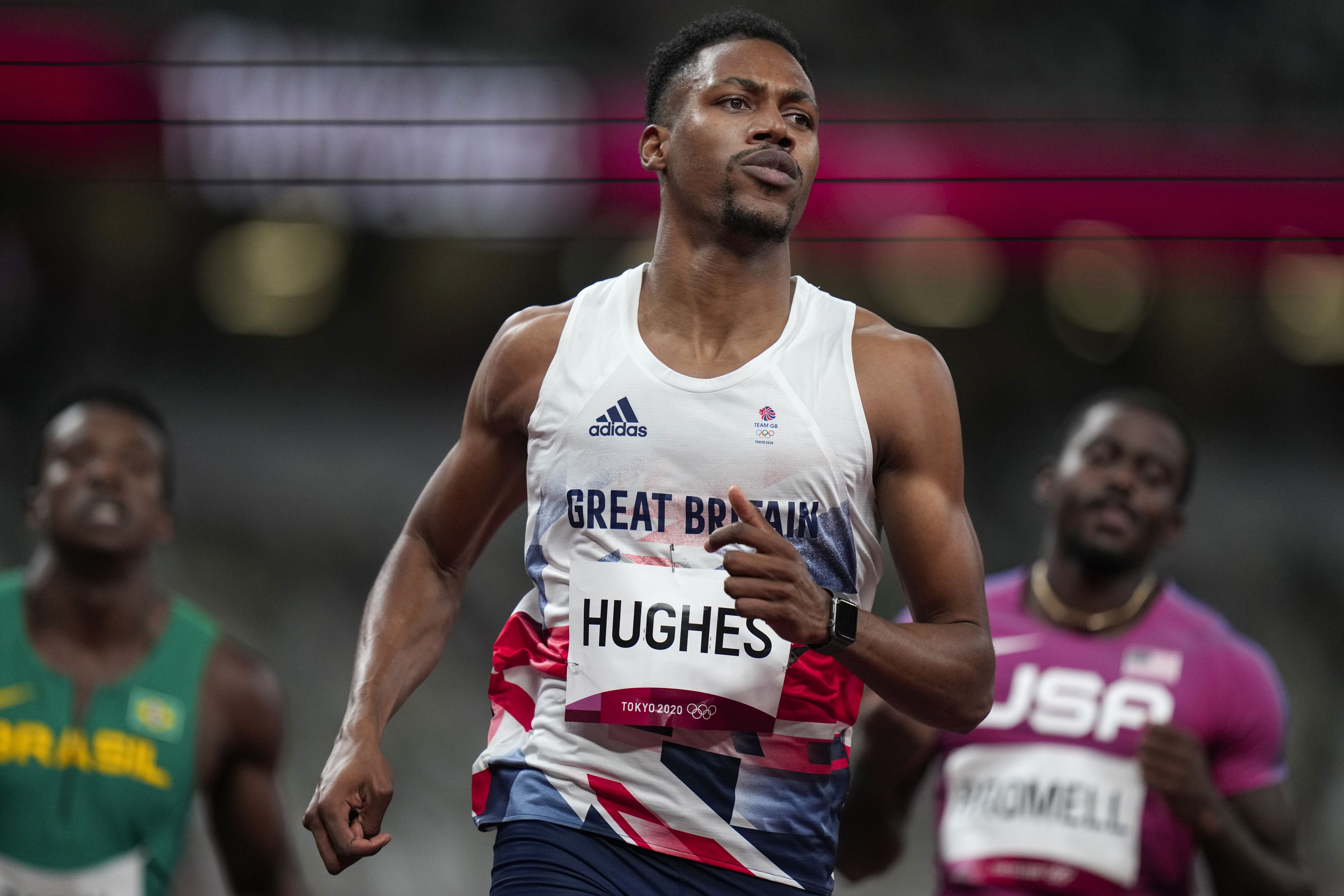
'Plastic Brit'
2015 was the year that Hughes changed allegiance to compete for Great Britain. It was the same year that four other athletes who were not born in the UK did the same thing, ahead of the Rio Olympics the following year.
This prompted a reigniting of the term ‘plastic Brit’, by both the press and fans, which the five athletes - including Hughes - were labelled as.
Hughes' situation was different to the other athletes; Great Britain was the only Olympic team he was eligible to represent, and he had held a British passport since birth.
"That was disgusting, for me to have that label on my back," Hughes says. "Everywhere I went, it was just 'Plastic Brit, Plastic Brit'. It was a bit distasteful.
"I started to see a bit of defence coming out on social media,” he adds. "Some athletes didn't like it when I came because I was running pretty fast.
"Maybe they were just cautious of potentially losing their spot in the team because I was a new runner to the team."
A GB sprinter also tweeted about the situation, saying, "Good for fans to see home grown talent representing GB… oh wait…", and claiming "all sprinters I've spoken to in the team feel exactly the same".
He later deleted both tweets.
"It felt a bit uncomfortable in the beginning because I'm like, why am I being treated like this when you guys know about the situation I have to face where I can’t compete for Anguilla?" Hughes says.
"Having to run out there, I'm performing, I'm doing my best, but I'm still being labelled as that. I don’t think people had an understanding about it. If they did, they wouldn’t have classed me as that."
Athens Olympic 4x100m relay champion Darren Campbell weighed in on the debate at the time, telling Sky Sports News:
"When you get involved in an individual sport like athletics, the goal is to be the best in the world. It doesn't matter who they represent because everybody needs to be beaten. In the past, some athletes have been so focused on being the best in Britain, they have forgotten the ultimate goal of being the best in the world. They should never lose sight of that.
"If an athlete has a British parent, then why shouldn't they have a choice? If they are from our colonies, then rules are rules. Saying these athletes are doing wrong is wrong without understanding their story."

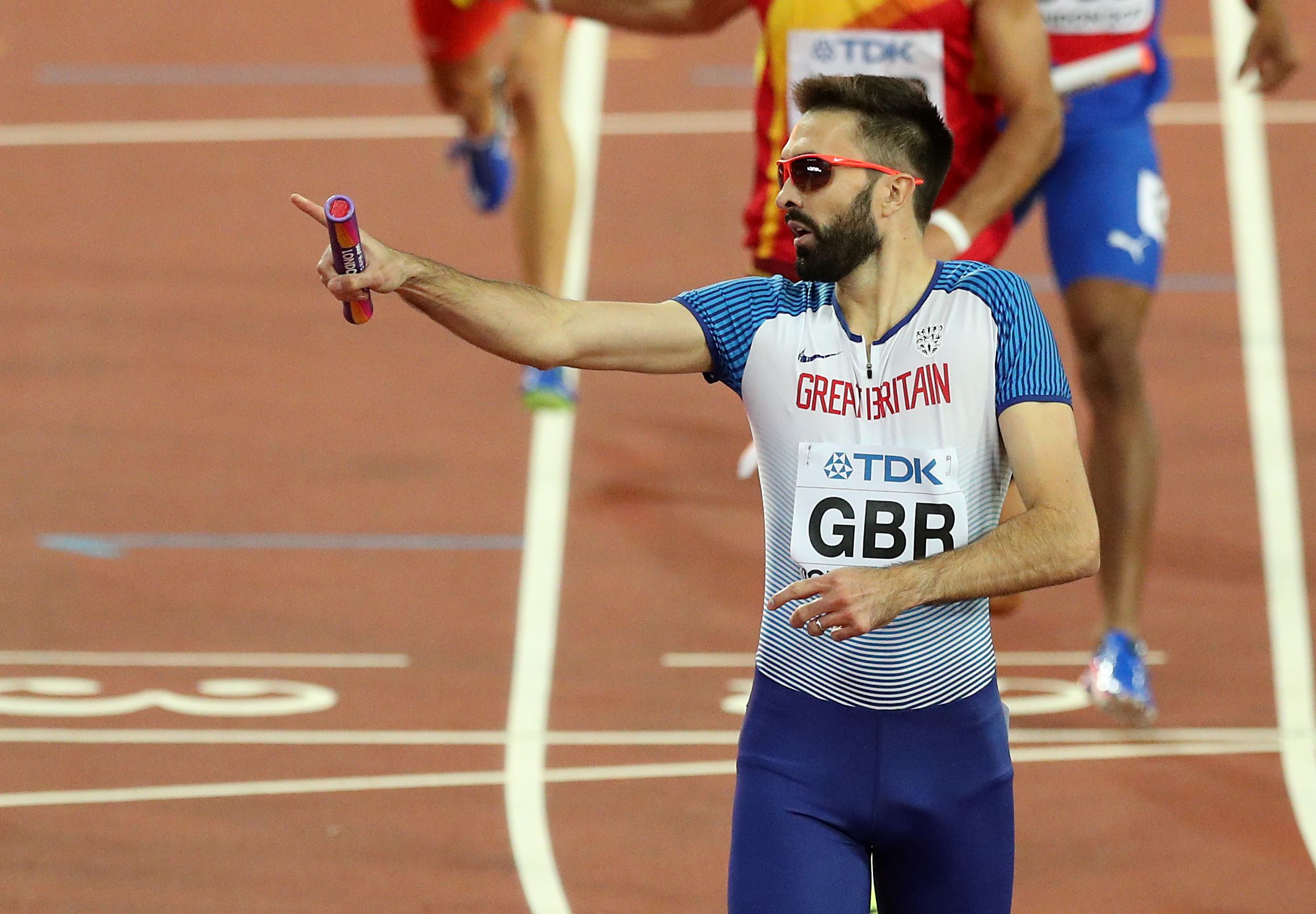
The then-European 400m champion Martyn Rooney also spoke publicly about the issue, writing in his blog:
"Personally I'm a supporter of athletes coming across becoming British citizens on the condition that they contribute to British society. They should improve the standard of competition, help in local sports projects… integrate themselves into the team, etc.
"My wife, Kate Dennison, was born in South Africa and moved to the UK when she was four. She’s done all of the above and is a celebrated double Olympian. She took pole vault in the UK from national standard to world class and from her success, others have gone on to win medals. If the newest batch of athletes can do this, then we should support them the same as any other British athlete no matter what accent they have."
But British sprint hurdler Lucy Hatton did not feel the same about the prospect of competing against American-born athlete Cindy Ofili, who had switched allegiance to Great Britain in 2015 at the same time as Hughes.
She told the BBC: "She's not taking my spot. Fair enough if she needs to come over because America's a bit too hard for her at the moment. But try and run in the wind, rain and cold because it's not as lovely as it seems."
British Athletics made a statement in 2015 to insist it did not actively recruit any of the five athletes who had switched allegiance. "If an athlete holds GB nationality and achieves the required selection standards then they are eligible to compete for GB & Northern Ireland," a spokeswoman said.
Hughes remembers sitting in his hotel room the day before his first London Anniversary Games in 2015, the height of the period in which the press were talking about ‘plastic Brits’.
"I was having a little nervous breakdown, because this was my first time competing in the stadium. I knew the crowd was going to be massive. So I had to prepare myself mentally to accept that, because this was my first time competing for the country. It was nerve-racking."
Hughes said that year, despite running fast, British Athletics said he was not allowed to run in the relay because he had not had any practice with the rest of the relay team.
"Even though I used to run relays in Jamaica," he said. "So I had to sit out.
"I didn’t really let it bother me because I still needed to compete and I knew that me doing well would overshadow it - and eventually it did."
So how did someone so young, already having to deal with going to compete for a new national team, cope with all the noise?
Hughes puts it down to his "Caribbean mentality" and ability to be laid back.
"We see things but we don't let things really bother us.
"But every time I logged into social media, I would see it. It was like a bug that couldn't be moved. I ignored social media for a little bit.
"I was afraid to put things out because I might get judged because of it."
Hughes, an avid pilot, says he would love to post more about aviation and what he gets up to outside of athletics, but is only now learning to share more of his life on social media after what happened in 2015.
'You don't know how much an athlete can actually take. [It] can really damage an athlete mentally, and they might end up quitting. If there ever comes a time where someone else switches again, just be mindful of the words that you put on social media, because it can really impact someone's life.'

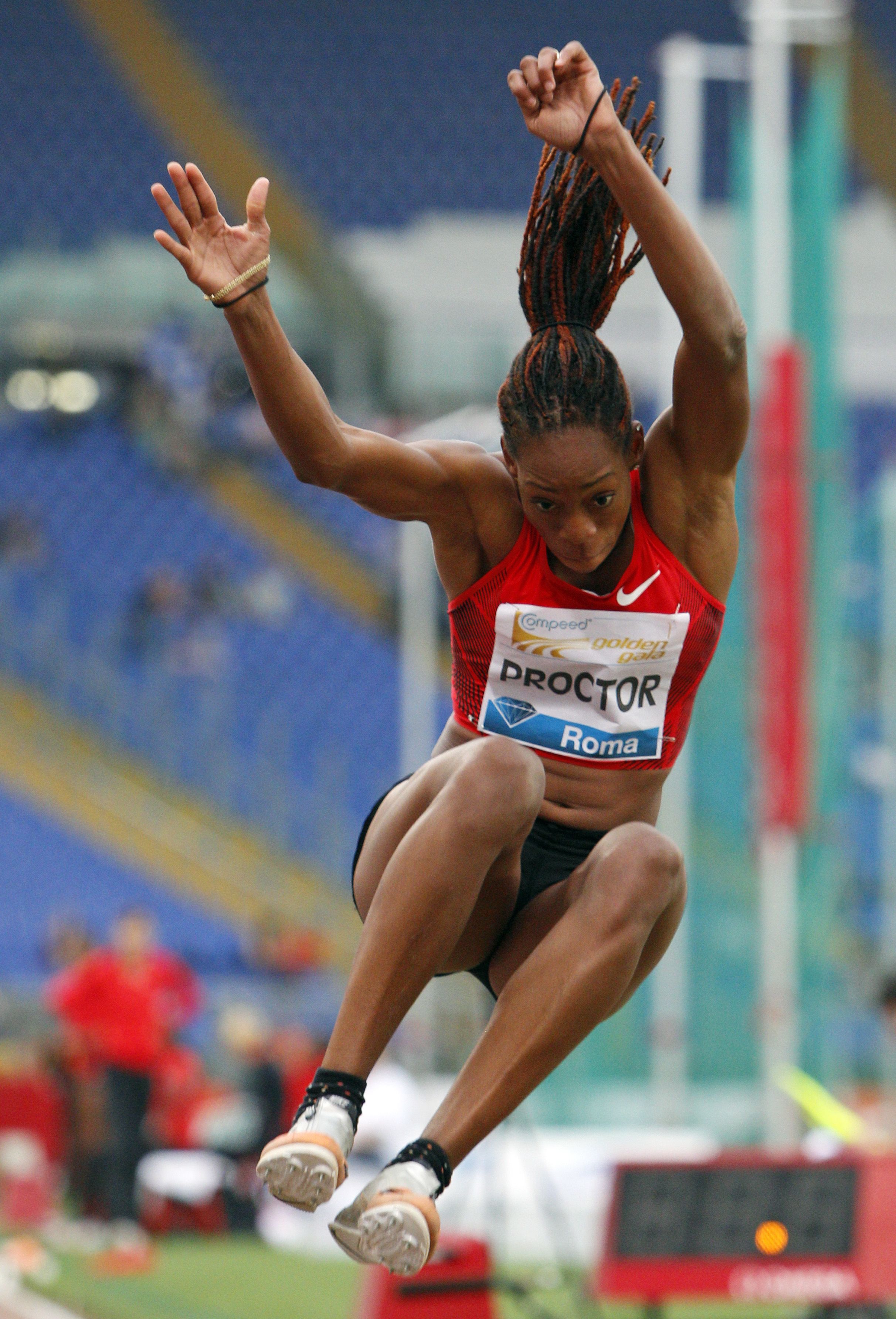
One person who has been a constant friend and support throughout Hughes' career is fellow Anguillian, Shara Proctor.
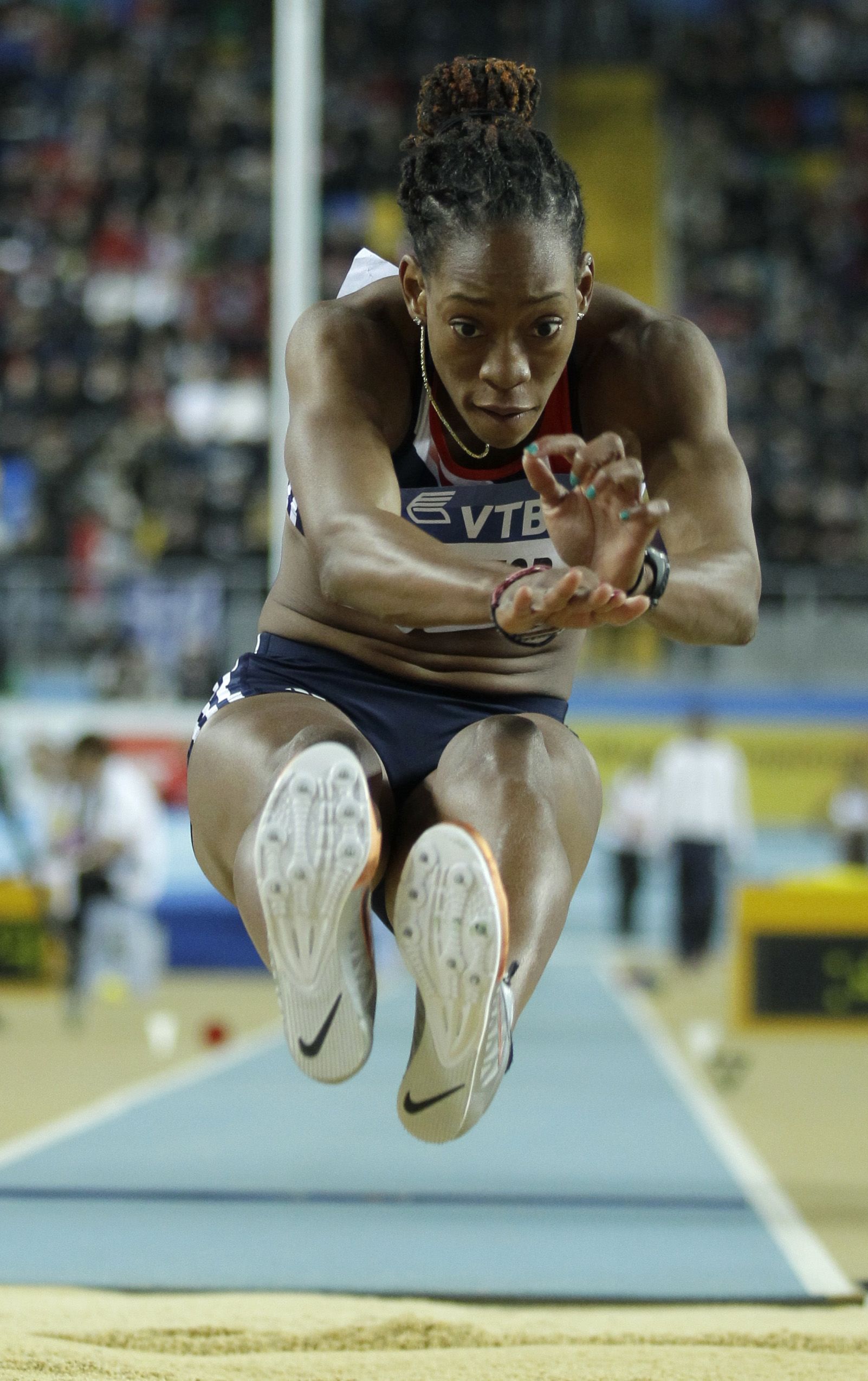
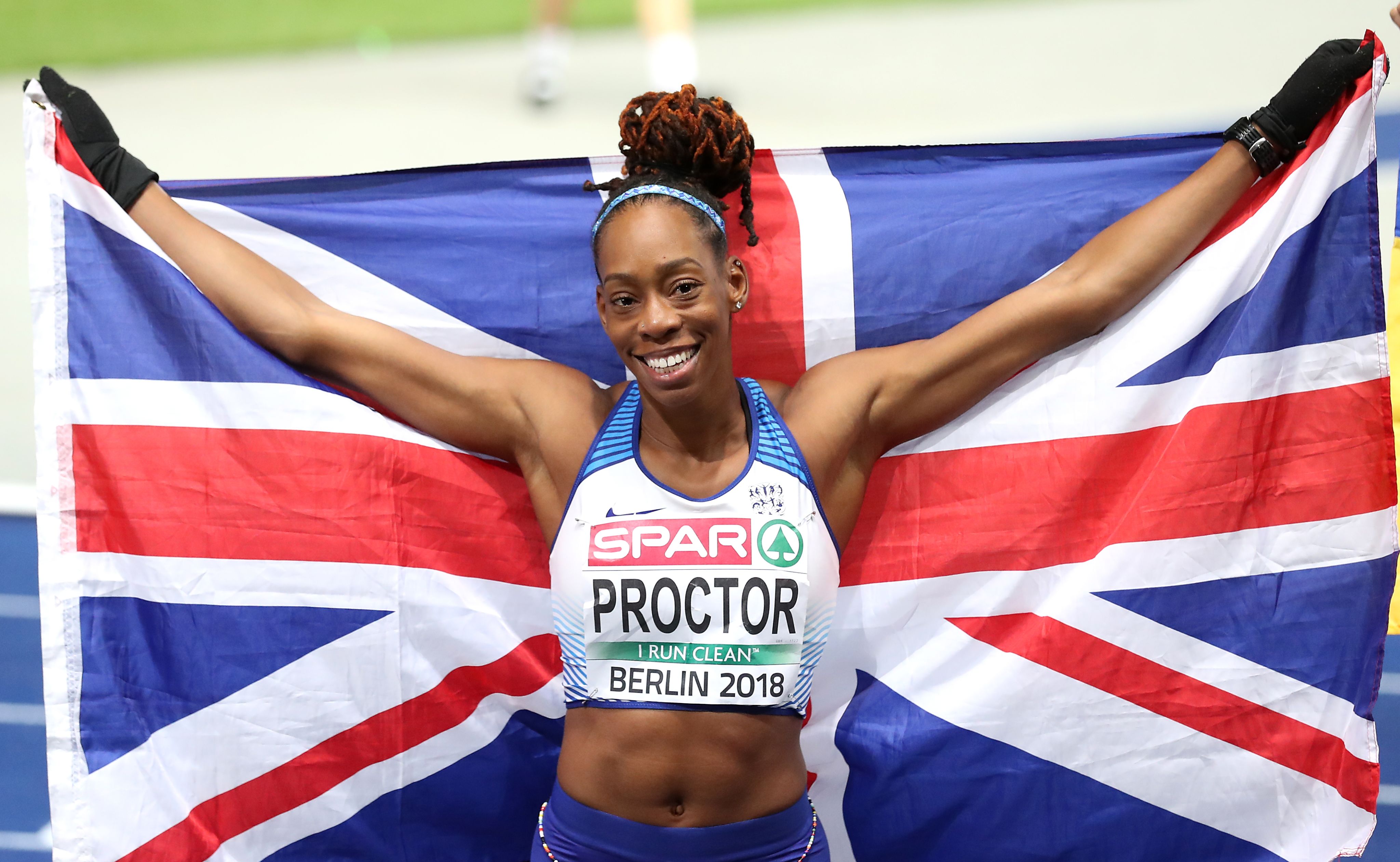
The 35-year-old began competing for Great Britain in 2010 and at the 2015 World Athletics Championships, she broke the British long jump record when she became the first British woman in history to jump over seven metres. She won a silver medal at those Championships.
Proctor helped explain the process of switching allegiance from Anguilla to Great Britain to Hughes.
"I remember when I made the switch. She said don't worry about it, don’t let anything bother you," Hughes said.
"But I wish I had an understanding of how she felt when she had just come to the team. Just to have an understanding of what it was like, did they accept her? Did she feel nervous?"




So now, in 2023, as the British national record holder and almost a decade on from when he first began competing for Great Britain, does Hughes feel British?
"Yeah we do, we accept it from when we’re little kids," he says.
"From the time you hit primary school, you start hearing about the history and it's in our flag too."
And being raised by a Jamaican mother, as well as living there for so long, he feels Jamaican too.
"Jamaicans are known for running fast," he laughs. "I have a little bit of Jamaican swag, a little bit of Anguillan swag. It all intertwines."
'I have a little bit of Jamaican swag, a little bit of Anguillan swag. It all intertwines.'

 Built with Shorthand