
Phil Clarke gives his thoughts on Jamie Peacock's new role at Hull KR

Wednesday 1 April 2015 17:29, UK
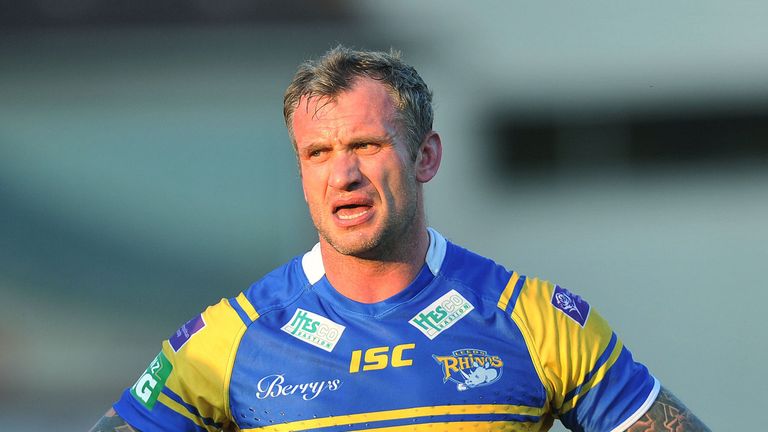
Sky Sports' Phil Clarke gives his thoughts on what Jamie Peacock will be up to as Hull KR's Football Manager...
The Hull KR club made perhaps their biggest signing for many years last week when they announced Jamie Peacock as their Football Manager for 2016 and beyond. It's a newly created role for the Robins, and it's had many people in east Hull asking what it involves.
I haven't seen his job description so I don't know exactly what it is that his new employers will want from him, but I've tried to guess what I think will be keeping him awake at night - sorry, busy - from October onwards.
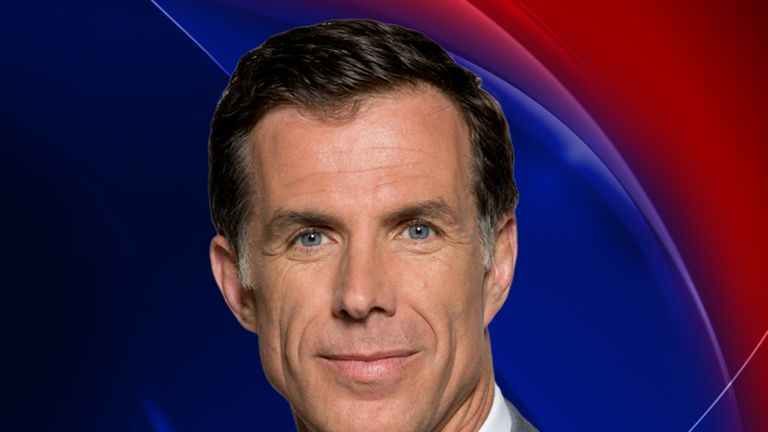
The football manager at some clubs already has an eye on the next first team coach, as coaches never last forever.
The role of a football manager, or director of rugby, has evolved over the past ten years. As clubs have grown, and their staff numbers increased, they now spend longer looking at issues that affect their performances or chances of success, and it's attention to detail that counts at the highest level.
I know what some people will think - why another wage ? If Johnny Whiteley, one of my heroes, is reading this, he might wonder what it's all about. Back in the old days, he used to be the coach, physio, doctor, kit man, media man and travel organiser. But things have changed, and clubs have decided to delineate the roles.
So what will JP be doing when this season is over?
1. Recruitment - both players and staff
Reference checks and due diligence are commonplace for most companies, but sadly that hasn't been the case in rugby league, and clubs have hired staff who have proven to be fraudsters in the past. I think that the football manager will ensure that all staff have the relevant qualification to do their jobs. The recruitment of players is a competitive market for all 12 clubs in Super League.
If two clubs offer a player the same money, what will make the difference? A club needs to sell itself and it's additional benefits. This applies to young players, and those already established. 'Talent ID' is the trendy term for spotting a player, and the football manager has to ensure that the club has a structure in place to allow them to do this to the best of their ability.
What system do they use to monitor and assess the players on their list? You'd laugh at me if I said clubs have signed a player in the past because he had a good game against them. It seems crazy to make a decision on his best 40 minutes, but it happens. I don't know what skills or expertise Jamie Peacock has in this area, but it's one at which I'm sure Hull KR will want to become better at.
There's risk involved in every recruitment decision, but the best teams get it right more often than the others. Contract negotiations form a part of the role at several clubs, and may do so at Hull KR. This would be a new experience for Jamie, as he's been sat on the other side of the desk for the last twenty years. I'm sure that this is something he will pick up in time, but he may feel like he's taking the ball up at Featherstone again as he sets off on this journey.
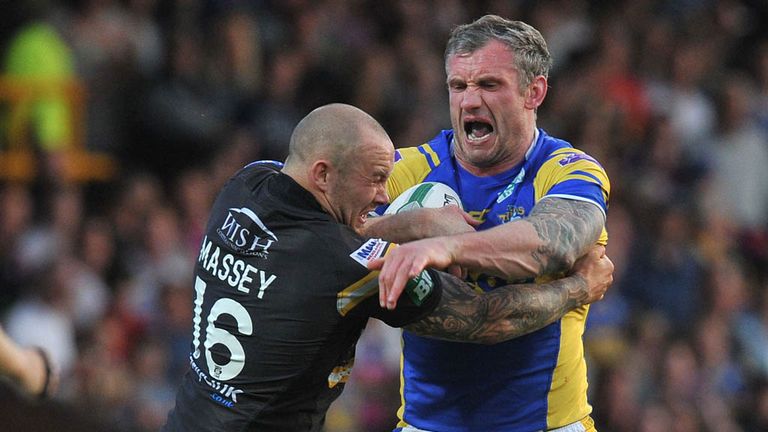
2. Facilities
A successful team doesn't need the best facilities, but they do need an environment that helps them to maximise their potential. Does the team train at a place that allows them to get better? Do they have the medical equipment to aid recovery? The football manager needs to oversee this, and provide a cost-effective and co-ordinated plan to deliver to the board of directors to consider for the future.
He'll also need to manage all transport and travel for the teams at the club. This leads nicely into the fact that he'll have to work within the budget set for him from above. Financial control is a key skill for the person fulfilling this role. He has to run a tight ship in which each department knows how much they have to spend. Regular updates and reports on costs-to-date are vital if a club want to avoid overspending and operate professionally.
3. Discipline
The football manager is responsible for setting the standards which the club has agrees to. He then leads on all internal issues. We don't get to see some of the problems that clubs have to deal with or some of the welfare issues in which they assist. He may need to provide counselling to a player with an addiction, or one who has other issues. In addition to this, he very often represents the club and player when he attends an RFL disciplinary hearing. This can be a time consuming role, and be a rather draining experience, but it's just another day in the office for him.
4. Meetings with heads of departments
Depending on the size of the club and the reporting structures that they have in place, this could involve more than you imagine. Somebody needs to factor in the workflow of the organisation - who does what, when and where? Who reports to whom? Ultimately, I believe that Jamie Peacock will report to the board of directors on a regular basis, and make his recommendations or suggestions at this point.
5. Staff CPD
Continuous Professional Development is just a fancy way of helping your staff get better at their jobs. When we watch a game on Sky Sports, we often see the coach looking on in a frustrated manner when his team gets something wrong. We never stop to think that his coaching might not be as effective as it could be.
So who helps the coaches to improve? Where do they go for this? How is their performance measured? The only feedback from many coaches in the past was 'You're fired!' but the best clubs recognise that all of the staff have the potential to improve, and attempt to do this with them.
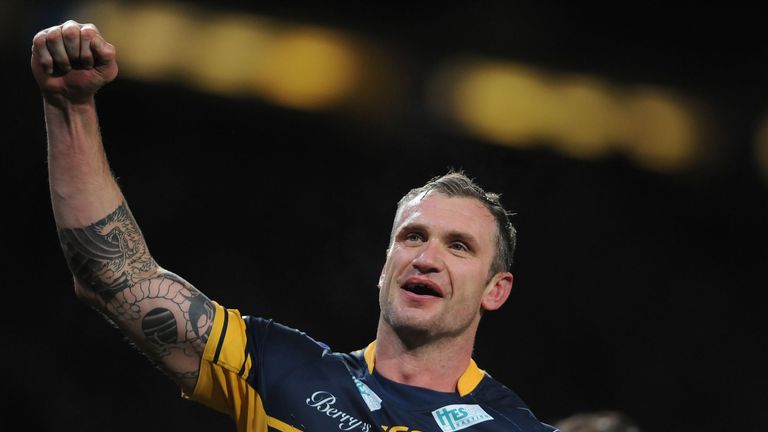
6. Succession planning
Jamie Peacock made his debut in Super League when Westlife, Boyzone and the Backstreet Boys were 'the thing' in music. He knows that, just like in the music industry, people move on; sometimes because they want to, and sometimes because the club wants them to. He will have to take a long-term strategic view from a player and staff perspective, and have plans in place if things change, which they tend to do quite quickly in sport.
7. Job interviews
At some point in the future the football manager may be needed to conduct job interviews. Running the ball forward at a line of defenders is quite tough, but so is asking the right questions on the day when you're interviewing several candidates, and then selecting the right person for the job. The football manager at some clubs already has an eye on the next first team coach, as coaches never last forever.
8. Any other business
Live First Utility Super League


There may be even more things that fall into this category than those I have listed above. I was the team manager for Great Britain for a few seasons, and was amazed by what falls into your in-tray. I have no doubt that his role will involve some time dealing with the media. From what I've seen, he will be brilliant at this and the club have a wonderful spokesman on their side as they strive to grow and improve.
He may be asked to investigate the cost and benefits of new gym equipment or GPS devices, or factor in the value of an overseas-based training camp. Would it be a wise use of resources? When players and their wives arrive from overseas it's vital that they have a happy time. They need help with all sorts of things from TV licences, schools for the children, or even visas and work permits. If the player isn’t happy he is unlikely to play well.
In the end, the only thing that people really see are the results of the first team on the field, but the work involved in winning games goes well beyond that.