
Hungary Circuit Guide
Friday 10 February 2012 13:56, UK
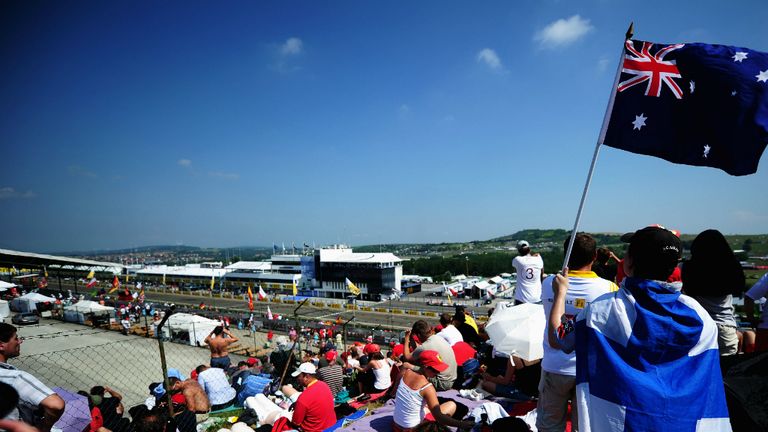
The Hungaroring boasts a unique piece of history, being the first grand prix to be staged behind the 'Iron Curtain' in 1986.
The Hungaroring boasts a unique piece of history, being the first grand prix to be staged behind the 'Iron Curtain' in 1986. The circuit was purpose-built to the host the Grand Prix, but is narrow compared to modern tracks and the facilities are far from the best on the calendar. Yet the Hungarian Grand Prix has been ever-present for the last 26 years and has its own inimitable charm. In 2009, a new deal was announced securing the races future until 2016. Set in a valley, the designers made full use of the natural terrain using the bumps and crests to create a unique driving challenge. The circuit is hardly used throughout the year, meaning the surface becomes very dusty and 'green', while it is at its quickest on the final lap of the race weekend. This dust means it is difficult for drivers to go off the racing line to attempt and overtake because even if they pass successfully, the dirt on the tyres makes the car difficult to drive for the next few corners. The best overtaking spot will be into turn 1, a right-hand hairpin at the end of the pit-straight and DRS zone. The straight was lengthened in 2003 by 200 metres and the corner tightened to try a facilitate overtaking, however any benefits of this have been minimal. The shape and camber of the corner as it drops downhill means there is a chance for a driver to switch-back, or 'brave it out' around the outside and continue the battle into turn 2.