
Racism has no place in the GAA, says President-elect Larry McCarthy
McCarthy: "[Racism] is everywhere. We can't hold up our hands and say we're innocent of it either."
Wednesday 17 June 2020 06:10, UK
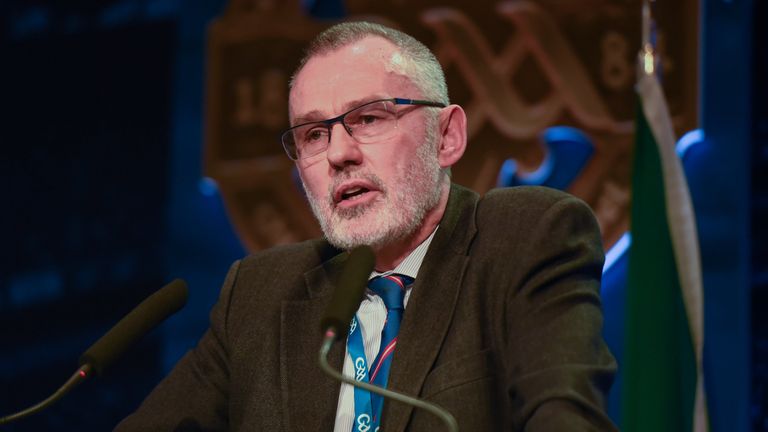
GAA President-elect Larry McCarthy has acknowledged that racism is a major problem in Gaelic games, as the association looks to stamp out inequality.
The Cork native, who is based in New York, will be returning to Ireland when his term begins in Croke Park. For now, he remains Stateside and it has been a turbulent few months in the Big Apple, amid the coronavirus pandemic and the Black Lives Matter protests.
"It's a depressing country to be living in," McCarthy said in an interview with Munster GAA. "And at some level, the pandemic will pass. Racism will take a lot longer to pass. It's virtually everywhere in this country, and I would argue it's virtually everywhere in the world.
"No matter what we say, I think there are traces of racism in virtually every society, whether it be bias against people of different colour, sexual orientation, religion... There are biases everywhere."
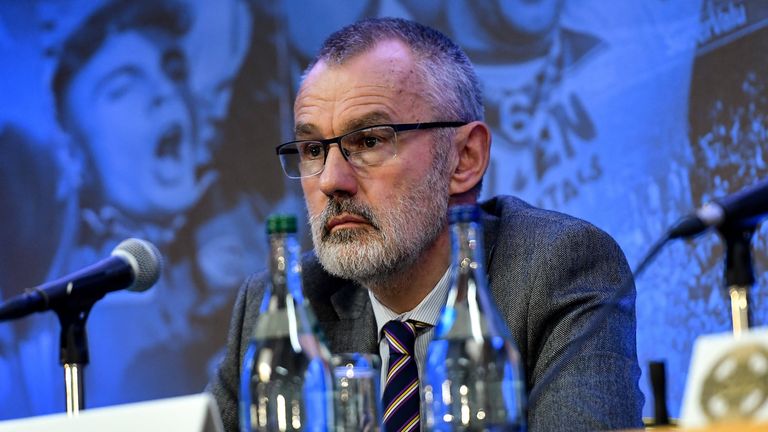
The pandemic will pass. Racism will take a lot longer to pass.
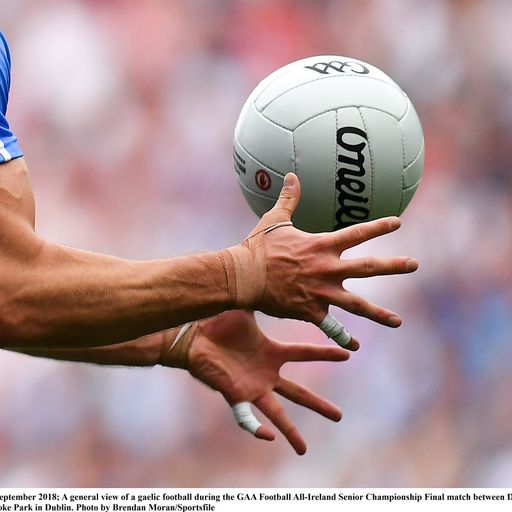
However, he warned that it is not an issue exclusive to the US.
In recent weeks, several players within the GAA have come out detailing negative experiences of racism.
"It's everywhere. We can't hold up our hands and say we're innocent of it either," noted McCarthy.
"It has no place in the GAA. It has no place in society, period. But it certainly should have no place in our national games and our national institutions.
"There shouldn't be any bias anywhere, but the reality is that there is. It's shocking that the players have come out and revealed this. But is it surprising? Probably not."
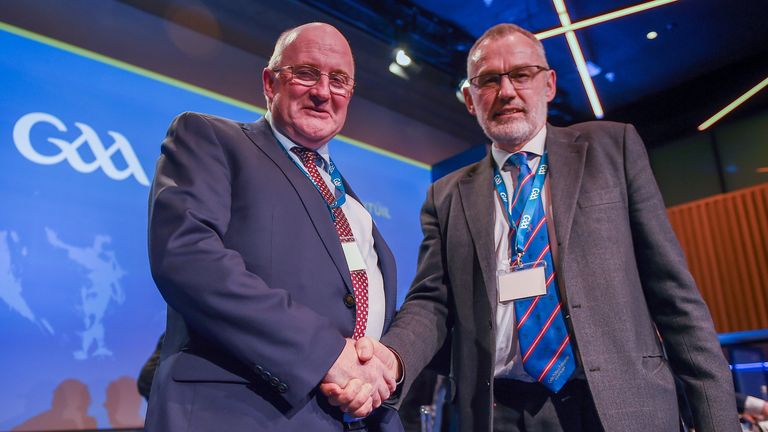
So what steps are the GAA taking?
"We're the first sporting organisation in the country to have an inclusivity officer," he said.
"Like a lot of things that the GAA do, we do it quietly; educational programmes, anti-racism programmes, the mantra of the institution for the last two or three years would have been 'Where We All Belong'. The emphasis has to be on 'where we all'. Every one of us. There should be no bias against us.
"We're slowly educating people about racism and about the impact it can have on children in particular, and we'll continue to do that."