Brian Barry
GAA Editor @BrianGBarry
Meath vs Dublin 2010: The game that created a monster?
"Sometimes it takes a defeat like that to show the gaps that you have." The 2010 Leinster semi-final was a turning point for Dublin, and they have not looked back in the intervening 10 years
Last Updated: 28/06/20 11:32am
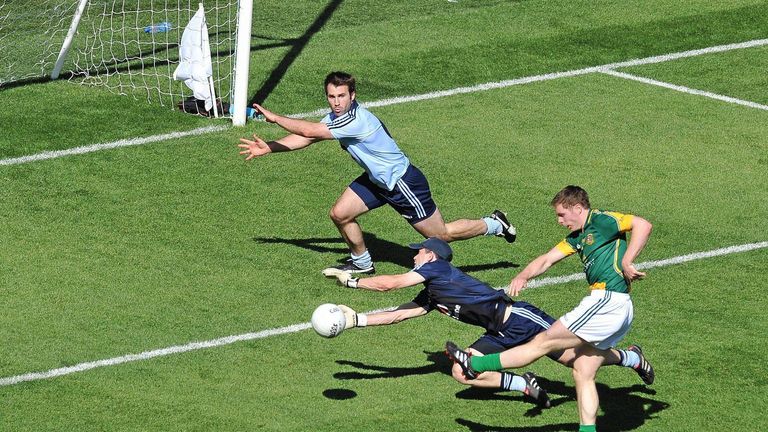
June 27 is a significant date in the Leinster Football Championship. Ten years ago, Meath stunned Dublin in the provincial semi-final.
But Dublin were not just upset, they were decimated. Five goals were smashed past Stephen Cluxton, as Eamonn O'Brien's charges stormed to a 5-9 to 0-13 victory.
After the Delaney Cup had wintered Liffeyside for five consecutive years, Meath had broken the Dublin dictatorship and it appeared the eastern province might be set for a more democratic landscape.
But it never quite worked out that way.

In the interim, the men from the capital have ruled the province with an iron fist, and it is difficult to envisage a more competitive era resuming in the near future.
The stats only go some of the way to painting the picture. 'The Boys in Blues' have won 27 consecutive games in the province, by an average margin of 14.1 points. Indeed, since 2013 there has only been one occasion where the margin has been in single digits; Kildare's 2017, nine-point Leinster final defeat.
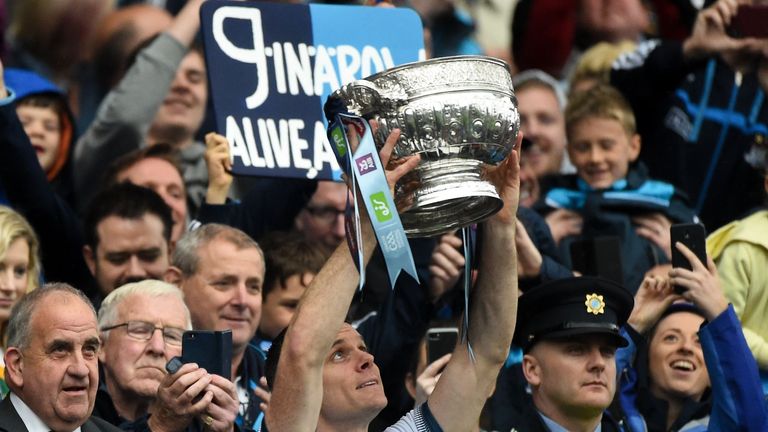
'You would have had to fancy your chances going into that game.'
2010 was a different landscape. Although the Sky Blues had put five consecutive provincial titles together, there was no significant gap to the chasing pack. Indeed, Meath were making just as great an impact on the national stage - reaching All-Ireland semi-finals in 2007 and 2009.
"If you look at that Meath team, we had featured in two All-Ireland semi-finals," said Kevin Reilly, reflecting on the build-up to the game.
"We had some good runs in the qualifiers in the previous three years - I know 2008 was a bit of a blip. But we were coming off the back of an All-Ireland semi-final, so the confidence was there within the team that we had some pretty big wins. We went on a journey in the championship the previous year. We were probably going into that game quietly confident that we definitely put it up to that Dublin team.
"Some of the personnel you had back then, in the backs we had Eoin Harrington, Caoimhín King, Anthony Moyles. And then in the forwards we had Stephen Bray, Joe Sheridan, Cian Ward, Brian Farrell. All these guys were household names back then.
"You would have had to fancy your chances going into that game."
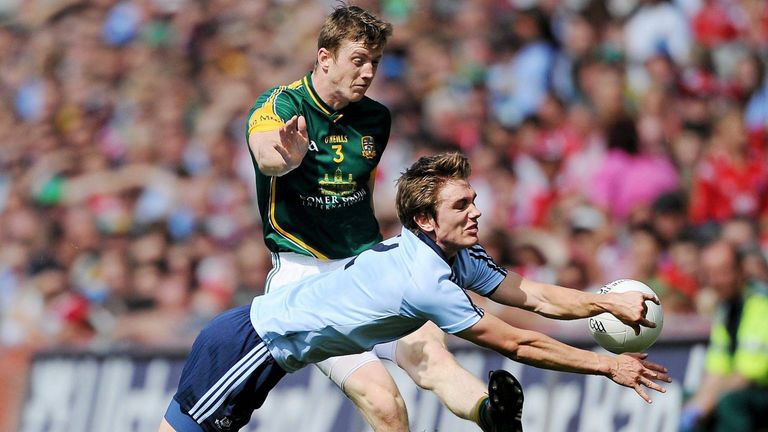
Royals run riot
Such confidence was not misplaced.
Dublin started the brighter, with Tomas Quinn and Bernard Brogan helping the Sky Blues recover from a Stephen Bray rocket in the sixth minute. They went in level at the break. But when Meath re-emerged for the second half, all changed utterly.
Soon after the restart, Cian Ward sent a well-placed shot into the top corner of the net, celebrating in front of a packed Hill 16. That in itself was not a hammer blow. Dublin rallied, and if Paul Flynn's fierce shot had crossed the line rather than hit the upright, it could have been a different story.
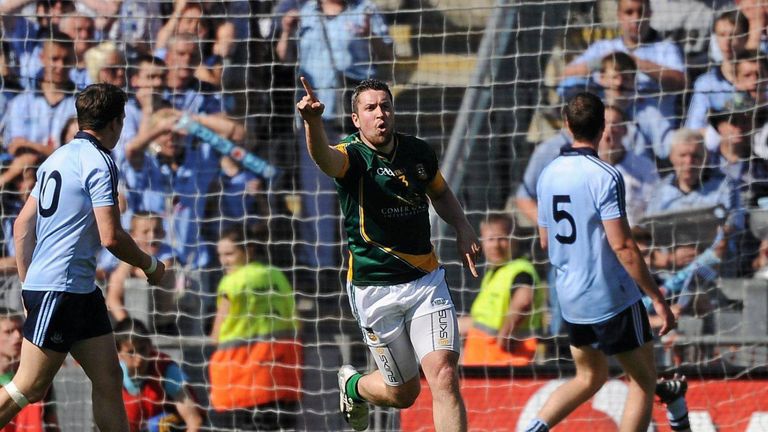
Moments later, Cluxton was beaten for the third time of the afternoon as Bray netted. By the time Sheridan and Farrell raised green flags, it was all over. 5-9 to 0-13.
"If you look at the stats of the game, Dublin had quite a considerable amount of possession that day over us," Reilly recalls.
"We possibly took our chances at the right time when they came. I'd like to think that our defence, as a unit as a whole, probably put the Dublin forwards under serious pressure, and forced erratic shots and shots from out wide, and forced wides.
"Dublin owned possession for large periods of the game, they dominated a number of positions - if you look back, I think our two midfielders were changed shortly after half-time that day. So they were dominating around the middle. But I'd like to think our defence held firm in a number of positions.
"Obviously we took our goal chances at the right time, and that was the difference. But it was by no means easy. We were under pressure for large periods. But we weathered the storm, and took our chances.
"It was one of those days that the chances we created were put away, and that was the difference."
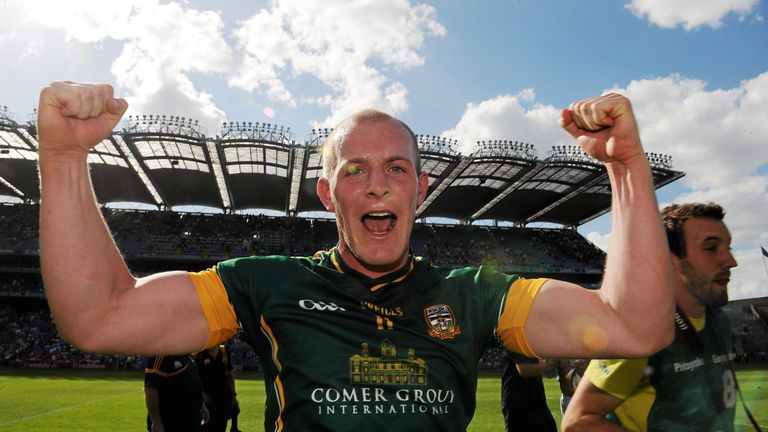
The legacy
For Meath, it was another step on the road to what would prove to be their 20th title.
For Dublin, there was a great deal of soul-searching to be done. It was a harsh lesson, but a necessary one for the group and management. It has often been cited as a turning point for the side, who put a major emphasis on tightening up at the back since then.
Indeed, it could be argued that Meath inadvertently created a monster that day.
"Quite possibly," notes Reilly. "If you look at the trajectory Dublin have gone on since that day, compared to our own, there were significant changes made off the back of that. You'd have to think that questions - and serious questions at that - were asked about the style of defending, and the type of defending, as well as the personnel that were on duty that day.
"Compared to the machine they've created, the system that's been put in place now since then. And the tactics that have been so successful in the years since. But it well could have been a turning point in their fortunes that day. Sometimes it takes a defeat like that to show the gaps that you have. But they've definitely tightened them up since."
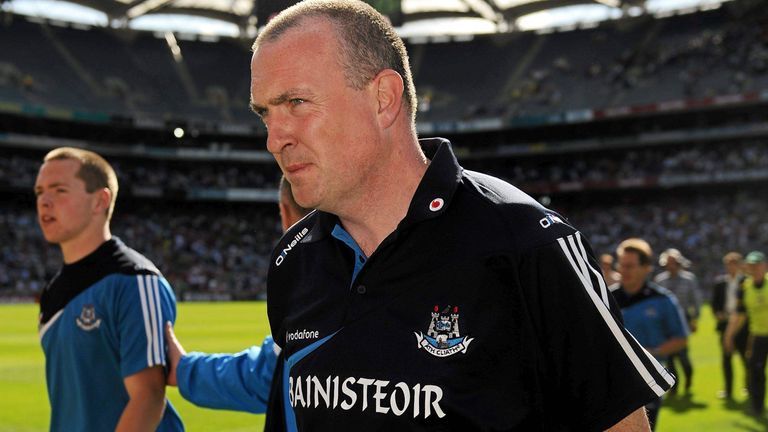
Fast-forward 10 years, and the gap has never been wider. The Leinster Championship is a mere procession for the Sky Blues. The conundrum for their opponents has been whether to keep things tight and ergo the scoreline respectable, or to have a real go, risking a slaughter. Both approaches have invariably yielded similar results.
Kildare and Meath, traditionally two of the strongest footballing counties in the province, have taken on the status of 'the best of the rest'. Both have had brief stints in Division 1, and qualified for the Super 8s.
In 2019, Andy McEntee oversaw a promising season for the Royals. But has their run of eight consecutive losses (between the Super 8s and National League) overridden the progress made?
"The 2019 team, they weren't too far away in any of the games," said Reilly, who retired in 2015. "They were definitely competitive for 45-50 minutes out of the 70.
"I'd like to think that this Meath team are learning. We all know, and we've seen teams over the last how many years go up to Division 1 and go straight back down, but that type of competition will stand to them. I know that Andy McEntee would have these guys learning from every aspect of it, playing against the top eight teams in the country. It can only be a positive experience. I think that's where Meath need to be. I think they'll only get better coming up against opposition like that. And I think they will learn from it.
"In relation to the [Meath-Dublin] rivalry, I don't think that goes away. Nor will it go away anytime soon. Yes, the gap has widened, but I'd like to think that the players that are in there in the panel at the minute, and the wider Meath GAA community would be doing absolutely everything they can to try and bridge that gap, and try and get back competitive again in the not-too-distant future."