Brian Barry
GAA Editor @BrianGBarry
Gaelic football's new cynicism rules will not heap extra pressure on referees, says Martin McNally
Intercounty referee Martin McNally discusses the new cynicism rule which has been introduced into Gaelic football, and how the sanction of a 10-minute sin-bin and a penalty will be applied in matches
Last Updated: 03/03/21 7:32pm
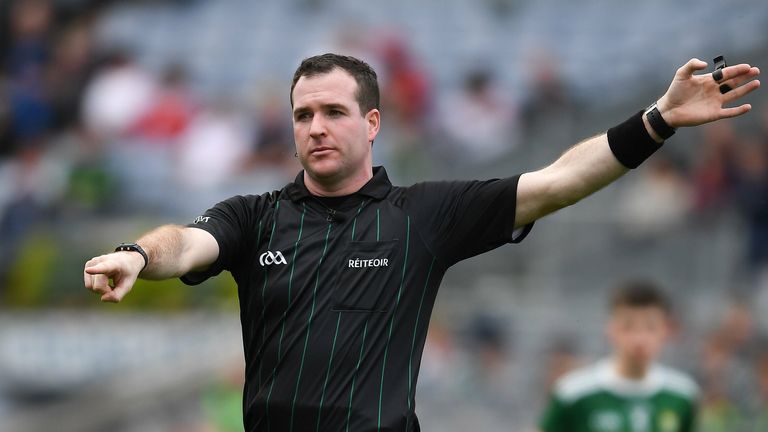
Intercounty Gaelic football referee Martin McNally says the new rule aiming to tackle cynical fouls shines the spotlight on players and coaches, rather than referees.
On Saturday, the GAA Congress voted to introduce the new rule on a trial basis. This sees any cynical foul which prevents a goal-scoring opportunity, within the 20m line or the 'D', get punished with a penalty and a 10-minute sin-bin for the perpetrator.
McNally feels that the aim of the new rule is to force players to think twice about committing 'professional' fouls. Regardless of whether it is 'too harsh', it will eradicate the fouls in question from the sport.
"What it does is it raises the standards of what players have been doing, it makes coaches think a little bit differently in how they coach their players," said the Monaghan man.
"And at the end of the day, the referee's role doesn't change. He still has to referee the game to the rules that he has to work with. So that aspect of it won't change.
"Will we have different rules to implement? Yes. Will we have different things to consider and make sure we're mindful of? Yes. But referees in general have had a history of adapting to rule changes.
"In a nutshell, the onus will be on the players and the coaches, in how they minimise the risk of giving away a key game decision in front of the scoring space."
- Congress: GAA clamp down on cynical fouls; Finals moved to July
- CPA disbands after split season is achieved
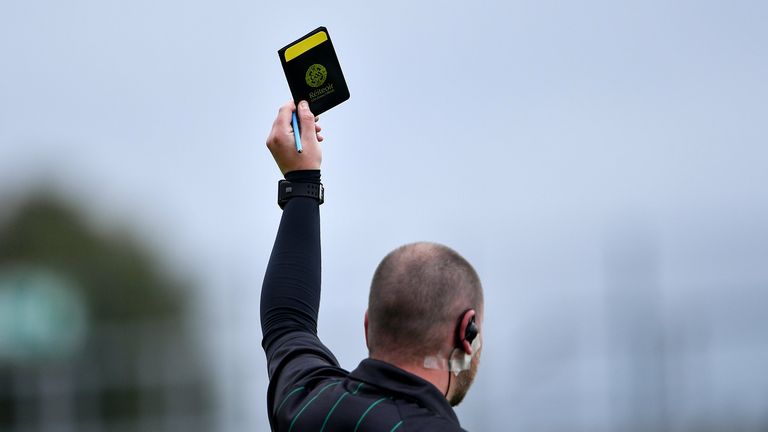
No added burden on referees
With greater sanctions now in place, marginal calls could have significant bearing on matches. But McNally does not feel the higher stakes heap pressure on the referees' shoulders.
"I don't think so," he said.
"I don't mean to use the term 'it's a bit mechanical', but it is to an extent. We just go out and we do the job. People could say, 'sending off a top player on a team is a massive, high-pressure decision'. Awarding a penalty in general is a massive, key game decision that holds a lot of pressure. But we're just used to that.
"I do understand where people are coming from with this. People are always apprehensive when we implement changes. But the referee's role won't change. It will adapt when he has new rules to deal with.
"Every decision that a referee makes is a high-pressure and a high-consequence decision. It doesn't matter if it's a free out, or a penalty. They all carry the same weight, because down the line they have a consequence."

How to define a 'goal-scoring' opportunity?
The novel aspect of the rule is that for the first time, referees will have to consider the definition of a 'goal-scoring opportunity', provided the foul takes place inside the relevant area of the field.
As of now, this is open to interpretation.
"We as a group of referees, we haven't met yet since the rule has changed. We will have to come together, the referees' committee will give us a directive for how we implement these rules. Like they do with every other new rule or set of rules that come out. We'll be given a directive in how to best manage them," McNally explained.
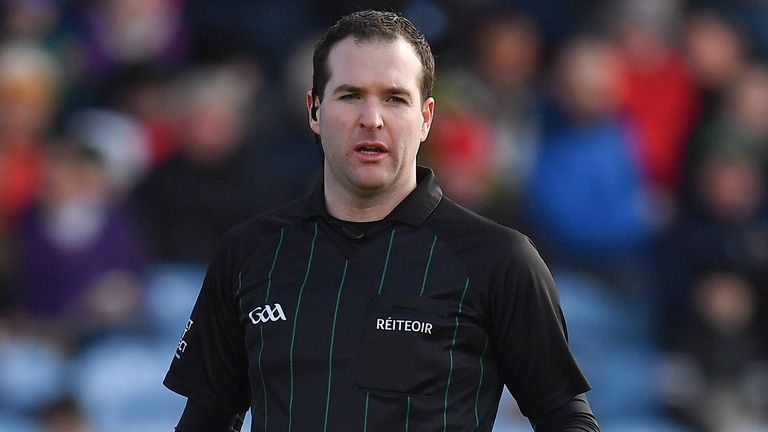
We'll be given a directive in how to best manage them.
The interpretation has not yet been settled upon
"The best we can go in that is go on previous evidence. From other games, we can use examples from them games. They can say, 'right lads, if this happens going forward, this is how we deal with it, this is what we'll be looking for, etc, etc'. It's going to take a while for us to actually gather any data and see any patterns or trends.
"At the end of a National League campaign - if that's what comes first [in 2021] - we as a group of referees, and the refereeing committee and standing rules committee at that stage will have some data to work with, and we'll have access to that data. We'll also have patterns as to what we notice as a result of the new rules."
Overall, he feels the GAA deserves credit for acting swiftly and being flexible.
"You have to take your hat off to the GAA. They all the time, want to improve the product that we have; Gaelic football and hurling," he said.
"If something works really well, great. Fantastic. But if it's not working well, they are willing to recognise that fact and say 'we need to address this, it's not going the right way. We may need to park it and come up with a different idea'.
"If in life you keep doing the same thing and expect different results, you'd be absolutely crazy. It's a bit like that with the GAA. If they keep doing the same thing, and expecting it to miraculously get better by itself, it's not going to happen. So we have to try stuff.
"The referee's role won't change. All we will be doing is applying the rules that we've been given. If they work out, great. If they don't, that's for other people to sort out."