Brian Barry
GAA Editor @BrianGBarry
Cliodhna O'Connor says gender not relevant in coaching
Last Updated: 28/05/19 5:35pm
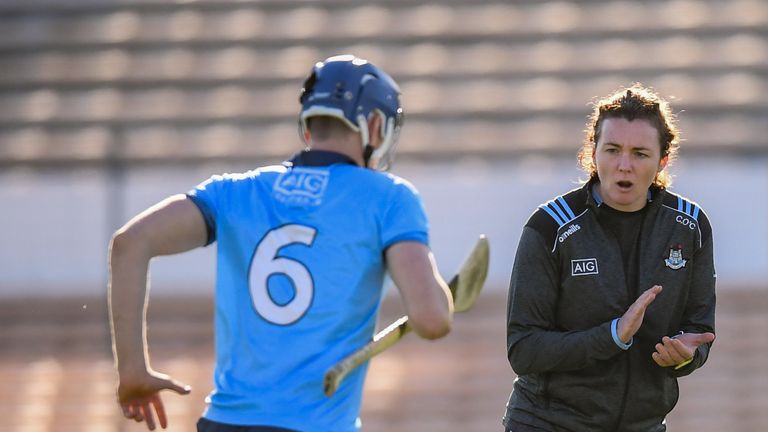
While the bulk of coaching tickets in senior men's intercounty teams are male, the Dublin hurlers' athletic development coach Cliodhna O'Connor is blazing a trail.
The former ladies football star worked with Mattie Kenny in Cuala, and joined the Sky Blues set-up once the Galway native was appointed as manager.
"The next best thing to playing is coaching a team," she smiled.
"It (coaching) wasn't a long-term goal, but it's a way of staying involved in sport."
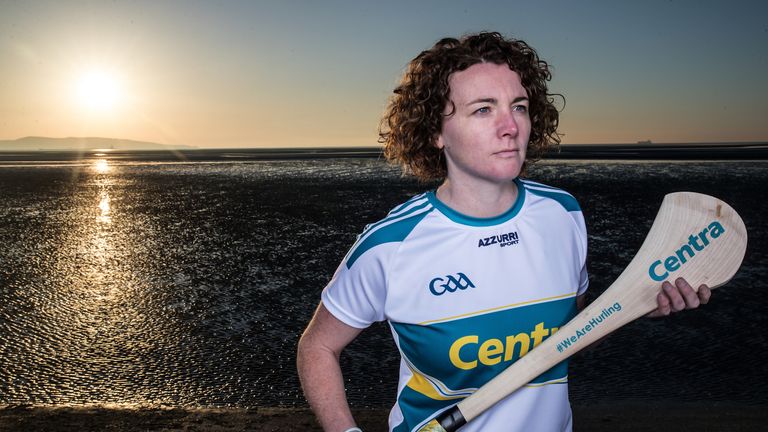
O'Connor stated that the gender of a coach is irrelevant and that players will react positively as long as there is a high standard of coaching.
"It's interesting for me, because to me, it's just coaching, it's just what I do, it's always been what I've done," she explained.
"You do notice if you walk into a stadium or whatever, you get a second glance or people do a double-take, but with the players themselves and managers, the most important thing is you getting results.
"Players and managers will sniff you out very quickly if you don't know what you're talking about or if you're not good at your job, if you can't elicit what you need to get out of them. Once you do that there shouldn't be an issue.
"Higher level athletes are selfish and they need to be. If they believe that you are an individual who can help them, they're not going to care who or what you are, male or female or if you're 20 or 72, they won't care. They think you're going to be of help to them to get wherever they need to go."
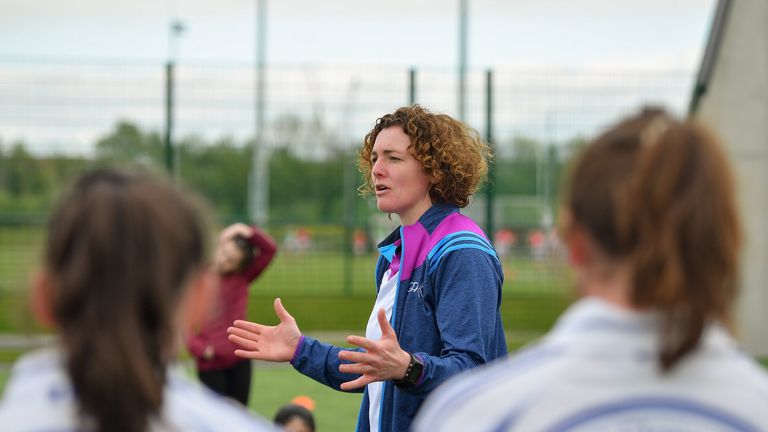
"If they believe that you are an individual who can help them, they're not going to care who or what you are, male or female."
Players aren't concerned about a coach's gender
O'Connor is a member of a sizeable backroom team with the Dubs. In modern GAA, coaching tickets are growing in size with each passing year.
"There's a lot more resources been put in to support the players," continued O'Connor.
"With that comes challenges because, with any manager that's been managing for a long time, they may be used to doing a lot of the stuff themselves whereas now their staff or their backroom team is growing.
"Part of their job now is to, 1. Recruit people that you can have a good relationship with and trust, and 2. Listen to them, you have to listen to your physios, listen to your strength & conditioning or athlete development, to your skills coaches, performance analysts.
"So there's a lot more information being thrown at you, potentially complicated information, so it's being able to decipher that and find out what's useful and what's not."