WADA 'successfully retrieve' doping data from Moscow lab
"This is a major breakthrough for clean sport," says WADA president Sir Craig Reedie
By PA Sport
Last Updated: 18/01/19 7:39am
World Anti-Doping Agency (WADA) president Sir Craig Reedie has hailed the successful retrieval of data from the laboratory at the centre of the Russian doping scandal as a "major breakthrough for clean sport".
A three-strong team of experts has now left the Russian capital, having spent the last week gathering the underlying analytical data from the laboratory's computers and testing equipment.
This data, which should enable sports federations to start anti-doping cases against hundreds of Russian athletes, will now be authenticated and reviewed.
Access to the Moscow laboratory was a condition of WADA's controversial decision in September to reinstate the Russian Anti-Doping Agency [RUSADA], although the original deadline was December 31 - a deadline Russia missed when it prevented WADA's experts from using the devices they had brought with them.
That failure reopened the debate about RUSADA's reinstatement, a decision which infuriated anti-doping experts and athletes' groups around the world, but WADA will now claim the overall objective of discovering the laboratory's secrets has been achieved.
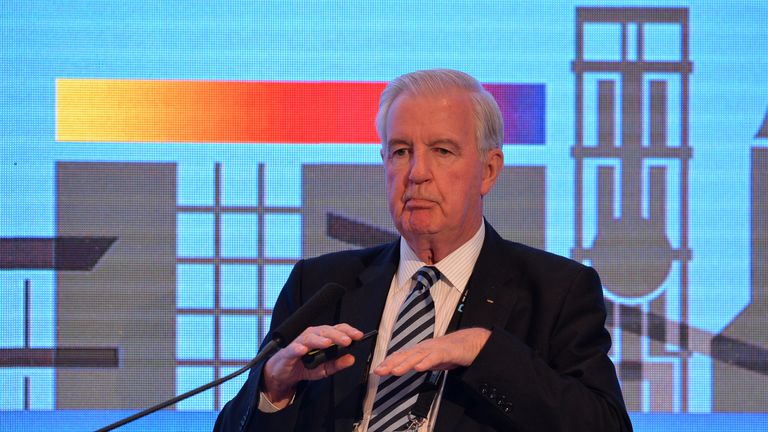
In a statement, Reedie said: "This is a major breakthrough for clean sport. It shows we are continuing to make real progress that simply would not have happened without the 20 September decision.
"The first phase of the three-phase process outlined by that decision is now complete. The long impasse around access to the former Moscow Laboratory has been broken and that is significantly good news."
Verification of what was retrieved is the second phase and Reedie said that will "take some time" because of the amount of data the team gathered.
Once that process has finished, Reedie believes WADA will be able to help sports and national anti-doping agencies "build strong cases against athletes who doped and, as part of that, ensure that samples still stored in the Moscow Laboratory are re-analysed in an accredited laboratory no later than June 30".
The completion of the Moscow mission makes it unlikely that Russia will be punished for missing the initial deadline, despite international calls for the Montreal-based agency to do so.
That decision will be made by the 12 members of WADA's executive committee [ExCo] on January 22, when they meet via teleconference.
During that meeting, they will discuss a report from WADA's independent Compliance Review Committee, which met last week.
Its recommendation on whether RUSADA should be suspended again will be crucial to how the ExCo votes and it waited until the laboratory data had been transported out of Russia before finalising its opinion.
That would appear to suggest it is minded to declare Russia non-compliant again, but WADA's ExCo has never punished an accredited laboratory, national anti-doping agency or sports federation for missing a deadline if they have subsequently fulfilled the obligation.