
Maria Sharapova had four months notice regarding banned drug
Wednesday 9 March 2016 15:46, UK
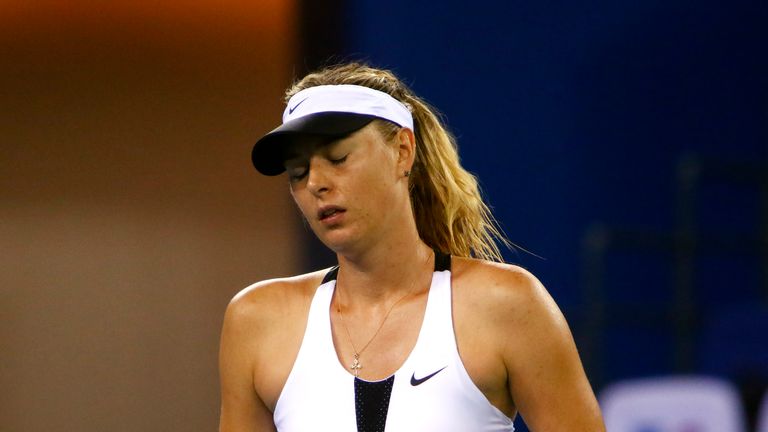
Maria Sharapova had four months' notice before meldonium was added to the banned substance list in January, the World Anti-Doping Agency have confirmed.
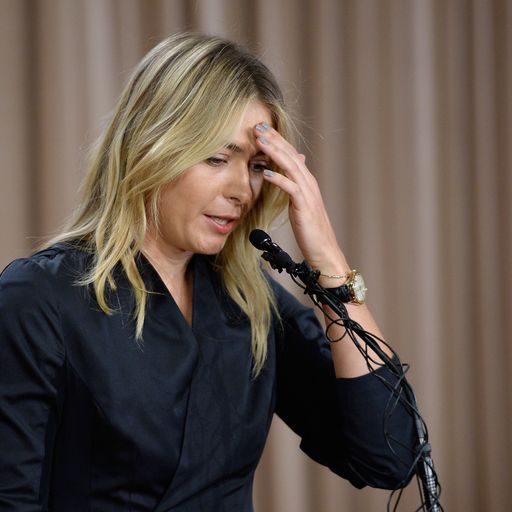
The five-time Grand Slam winner shocked the world of sport on Monday when she announced she had failed a drugs test at the Australian Open.
Sharapova revealed she had been taking meldonium legally for 10 years to deal with an irregular heartbeat and a history of diabetes in her family.
She claimed she was unaware the drug - which Latvian manufacturers say should be taken for four to six weeks - had been put on WADA's banned list.
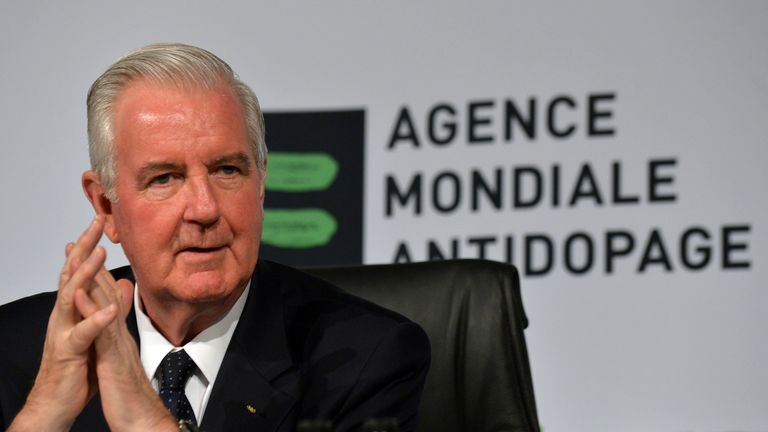
However, WADA chief Sir Craig Reedie confirmed the new list of prohibited substances was issued four months before it came into force.
"We researched this drug and then put it on a monitoring system for a year and then we put it on the list as from January 2016," Reedie said on Sky Sports News HQ.
"The new list is distributed on the first of September last year, so athletes have four months to understand it and that it comes into effect on the first of January."
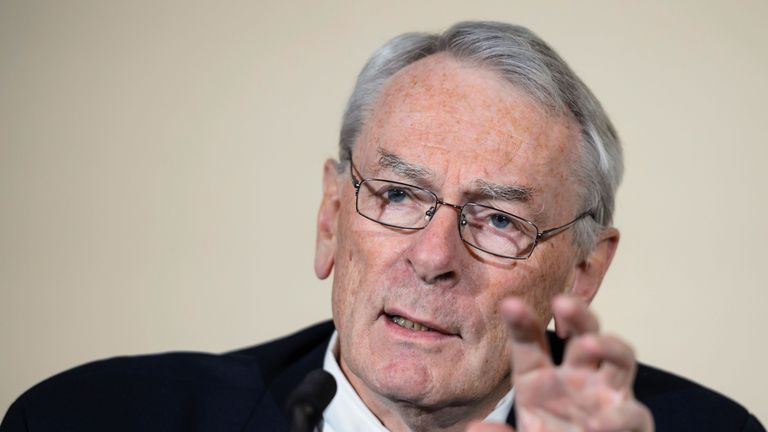
Dick Pound, WADA's independent commission chairman and former chief, said Sharapova's positive test is a major blow for tennis and is in disbelief over the 28-year-old's claims of innocence.
"It's a huge negative for tennis, in general and not to mention the consequences she will suffer," Pound told Sky Sports' Amy Lewis.
"She's one of only two real poster girls in the sport. It's a sport which has been under attack for match fixing and all sorts of other nefarious activities, so it's yet another body blow and a major body blow."
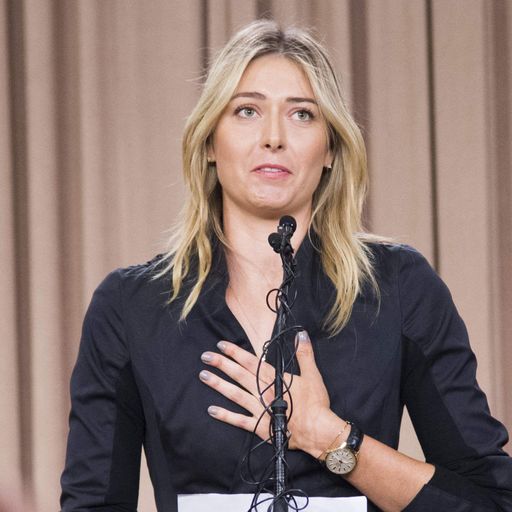
Pound is in no doubt that Sharapova was aware that meldonium had been declared a prohibited substance by WADA.
"She either knew, or she chose not to know, but there's no excuse for it," added Pound.
"It was announced by WADA, I think there were five of six separate notices sent to her by the WTA and she either didn't read them, which is what she said, or read them and carried on anyway.
"I'm not in the punishment business but I think the ITF is going to have to make a decision as to how strongly they feel about doping in their sport and that could potentially be a four-year suspension.
"She will be arguing mitigating circumstances and so on that's what lawyers are for and they will come up with a sanction and then WADA will have to decide whether it's appropriate and if they don't think it's appropriate there is the Court of Arbitration for Sport."

"Somebody that has been at the peak of a sport which has doping problems for 10 years, what is it 2004 she won Wimbledon, she's aware of doping and the fact there will be tests, especially as the higher up the tournament, the more likely you are to be tested.
"There is no excuse for not knowing, she's running a $30m-a-year personal business and it's her job to make sure she doesn't do anything that prevents her from participating."