
Cricket Scotland: One year on since Scottish cricket was found to be 'institutionally racist' by independent review
Independent investigators found 448 indicators of institutional racism in Cricket Scotland, with 68 individual concerns referred for further investigation, including 31 allegations of racism against 15 different people, two clubs and one regional association
Tuesday 25 July 2023 15:26, UK

Cricket Scotland is confident it is making progress one year on from an independent review finding Scottish cricket's governing body to be institutionally racist.
Independent investigators found 448 indicators of institutional racism in Cricket Scotland, with 68 individual concerns referred for further investigation, including 31 allegations of racism against 15 different people, two clubs and one regional association.
Of those 12 have since been concluded while nine have been passed up to Cricket Scotland for examination.
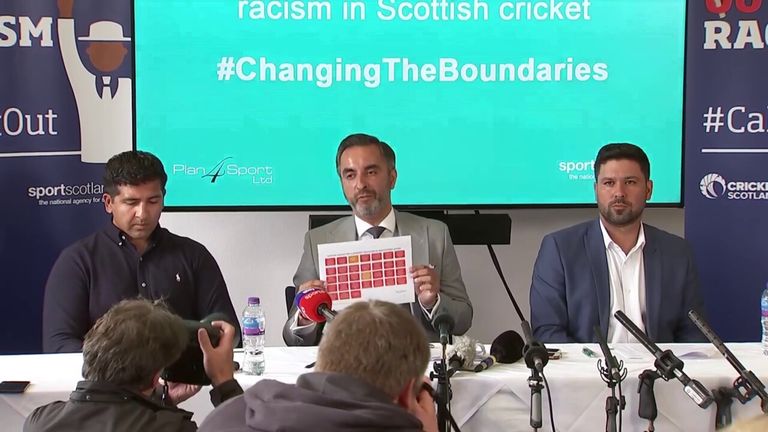
Former Cricket Scotland chair Anjan Luthra resigned earlier this year having been subject to strong criticism from anti-racism group Running Out Racism over claims of progress on Equality, Diversity and Inclusion (EDI), which had prompted four members of the EDI advisory board to step down.
Cricket Scotland remains in special measures until the end of October, with a decision yet to be made on whether sportscotland - the national agency for sport - will remove that sanction.
'It will take time to regain trust'
Despite criticism of the organisation's approach to EDI and high-profile resignations, Interim Cricket Scotland CEO Peter Fitzboyden believes progress is being made.
"The report told us not only what we needed to do, but we actually needed to think really deeply about ourselves, about the sport, what needs to change and you can't change all that instantly," Fitzboyden told Sky Sports.
"A lot of cultural work really needs time to change and to bed in and make a better sport for everybody.
"When we talk about real cultural change within sport, you can only do that in partnership with the sport, with other key partners so we actually move on that journey together to work out what sport we want."
"The transformation we've needed in the sport is absolutely everything, from of course looking at systems and processes but when you talk about changing culture, in every single club and community in the country, that takes time.
"It's also trying to change societal attitudes to actually realise firstly that there is a problem, what that problem is and how you solve it. It does take time, it takes consultation ultimately so we move forward."
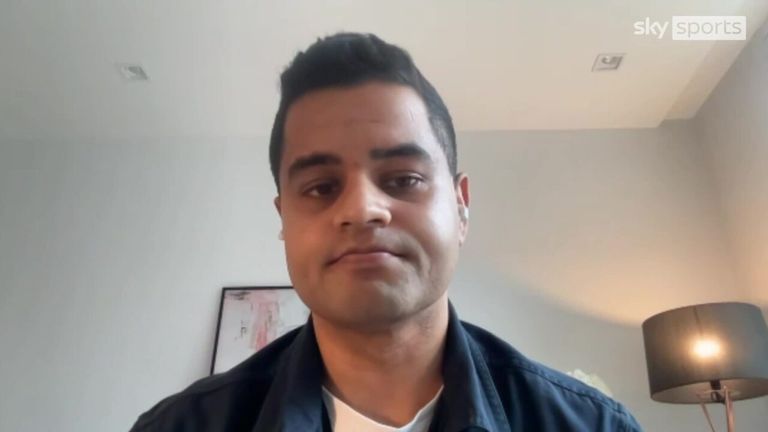
He insisted that the "real impactful stuff will take time" while offering vague details as to what action had been taken and what improvements had been made thus far.
"We've had lots of internal staff training in terms of EDI and anti-racism and even people who thought they were really equipped for this subject have thought 'hold on a minute, we can do things differently, even what we thought was good can be better'," he explained.
"It's clearly not been as streamlined as we'd like, there have been bumps in the road along the way but we're a fantastic place now.
"That's the important thing, when I talk to everybody throughout cricket everybody is in a good place now. When we look at the future and where we want the sport to go there's real agreement and actually excitement.
"Clearly there has been a lot of pain caused in cricket here in Scotland. We are changing, we won't be perfect overnight but what we're trying to do is reengage with the cricket community and say 'okay, what do we want it to look like?'.
"It will take time to regain trust, but I think we're on a really strong path to doing that."
'Cricket Scotland must engage through grassroots'
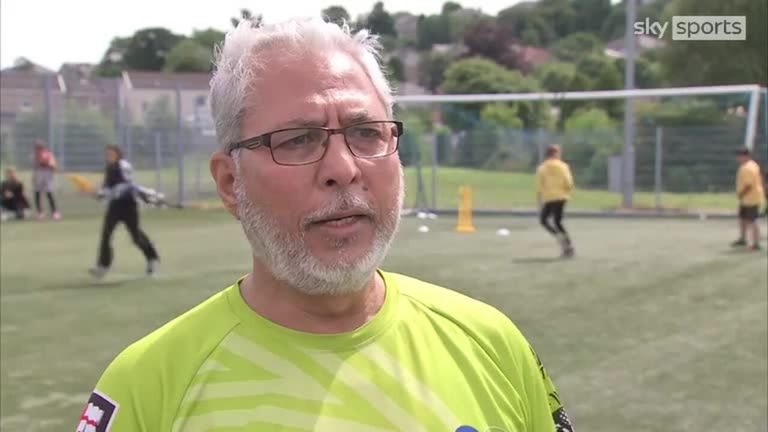
Chair of Active Life Club Raza Sadiq has called for greater ownership of the damning findings in last year's report while underlining the need for a focus on grassroots cricket as means of breaking down barriers.
Sadiq was one of four members to resign from Cricket Scotland's anti-racism and EDI advisory group, before eventually returning alongside two others in the wake of a new EDI head and changes at board level.
He pointed towards "delusion not inclusion" while noting that the initial group and its claims were "not close to reality", suggesting they had failed to agree terms of reference after the first meeting.
"It needs to be a watershed moment for cricket - it's a year on and it has been a hard paddle upstream," he said.
"Positive action means having an action plan that is deliverable. What you can see is that if you are working with grassroots and the community, then the community will gain that trust.
"Over the next 12 months I need a fast pace. We've been here a year, it's easy to cancel out some of the successes with the challenges that are there, but we want wholeheartedly the recommendations of the report to be implemented.
"That implementation needs to be quantified with tangible outcomes, engaging the community and protecting future generations to make sure they don't go through the same process.
"Cricket is the one that unites, sport is the one that unites. But what we've seen is division and that needs to be moved into unity, which can only come when we're learning from the community groups who have been working on grassroots day in and day out.
"I've seen many youngsters, good cricketers, come out of here into the mainstream and then they never really progress to Cricket Scotland or so on.
"Systems are so stubborn, the system has been based on those inequalities, if we don't walk the talk of equality we'll be coming back to zero again. This is the time to deliver rather than promise."
'We have a platform to move forward'
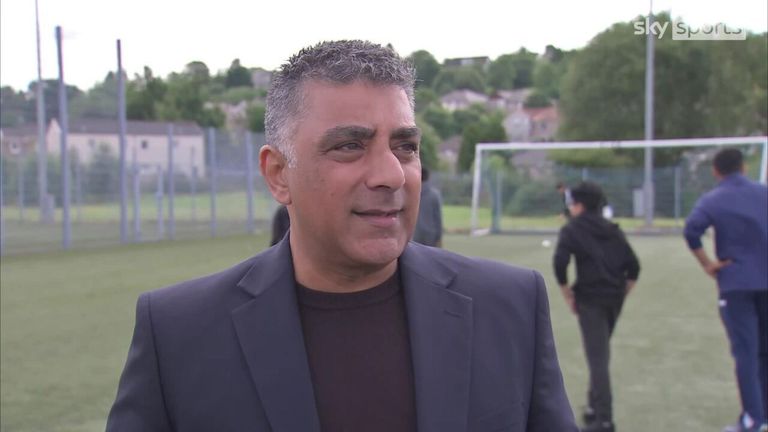
Kash Taank, the new Head of EDI at Cricket Scotland, hailed the importance of the three EDI members who returned having initially resigned and detailed the anti-racism training that has recently been undertaken by staff.
"There were two immediate priorities when I arrived," he said. "One was the advisory group that had been set up, we've re-established the advisory group and three of the four south Asian members that resigned have come back with willingness.
"They're absolutely vital to the process to ensure that what we espouse is what cricket requires.
"We've had our first meeting 10 days or so ago and have agreed terms of reference, we now have a platform to move forward.
"The other keen priority was around anti-racism and EDI training, we had that session a week or so ago and prioritised the senior staff at Cricket Scotland, the board, senior management, the regions.
"There were two parts to the training, one specifically around anti-racism and how we address systemic issues. The second was around dignity at work, culture, micro-aggression, and how we recognise and deal with those specific issues when they occur.
"Both have been well received."
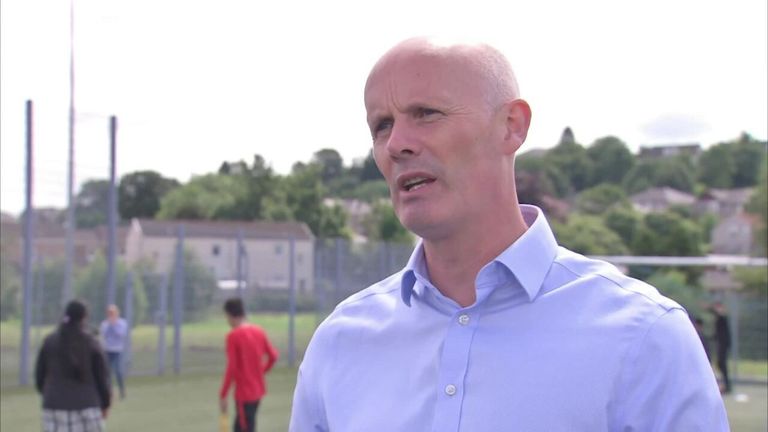
He echoed the sentiment that there would be no quick fix to the issues presented in the independent investigation, while assuring that other problems surrounding equality in the game would not go forgotten amid the efforts to address findings of institutional racism.
"One of the easiest things to do would have been to have reacted and put in place a lot of procedures and processes which would not have been the right thing to do," said Taank.
"So this is a journey, a long journey, we won't resolve all the issues overnight, but what we will do is ensure that when issues arise we'll be proactive but we'll do so in a co-production role.
"We're going to be pragmatic about the solutions we require and we will do that by working with the cricketing community to ensure that their aspirations are met.
"This is a cross-EDI landscape, I'm aware there are issues for women's cricket in terms of changing facilities, this is part of that, while race is a priority it isn't detriment to other issues.
"We're going to deal with all the issues when they arrive but be proactive to make sure before they arrive we're in place to deal with them."
'Cricket can bring different backgrounds together'
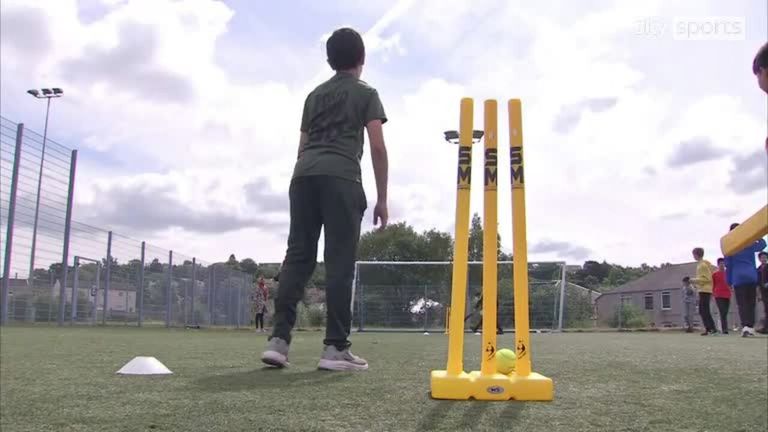
Zain Muhammad, Wicketz Development Officer for Glasgow, moved to Scotland from Pakistan 10 years ago and can attest to the role of cricket in helping him adjust to life in a new country.
His current role sees him engage with other young people who may be lacking opportunities or dealing with language barriers in order to help them meet new friends and find a safe space in which to play sport.
"We use cricket as a tool for social inclusion and I think it's played a very positive role in the community for the last three decades, it helped me as a young person coming from a different country and not knowing the language, it helped me find that safe space, make friends and find my potential and goal to work towards," he said.
"Now I'm looking to provide that to the youth by using cricket as a means to engage and work with them.
"I think we're towards making the whole game inclusive and having people from every background and community feel welcome to play the game.
"It's probably one of the best sports in the world.
"I think it's one of the only sports that brings people from different backgrounds together and especially in Scotland.
"Anybody that is in that pathway of looking to place of getting involved I would encourage them to get involved with. There are so many opportunities and pathways they can go down."