
ICC increases sanctions for ball-tampering
Monday 2 July 2018 21:48, UK
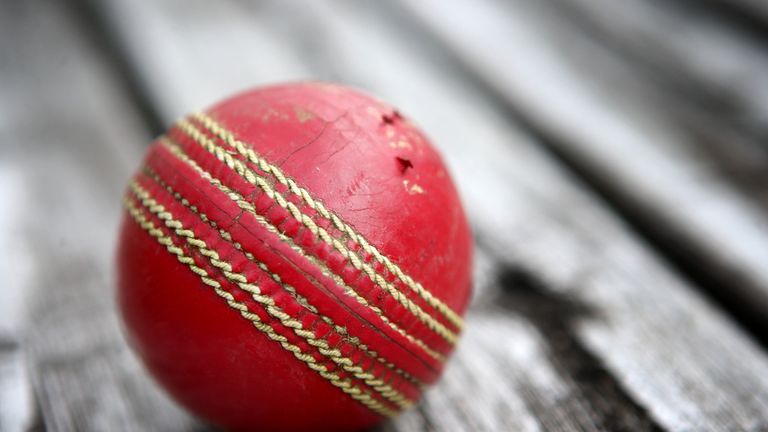
The International Cricket Council has adopted tougher sanctions against players who are found guilty of ball-tampering
Following discussions at its annual conference in Dublin, world cricket's governing body increased the maximum level of punishment for the offence of "changing the condition of the ball".
Culpable players can now be banned for six Test matches or 12 one-day internationals.
ICC chairman Shashank Manohar said in a statement: "It is vital that there is a strong deterrent to both players and administrators to ensure we have high standards of conduct in our game.
"We have more than a billion fans and we must not give any of them any reason to doubt the high levels of integrity within our sport."
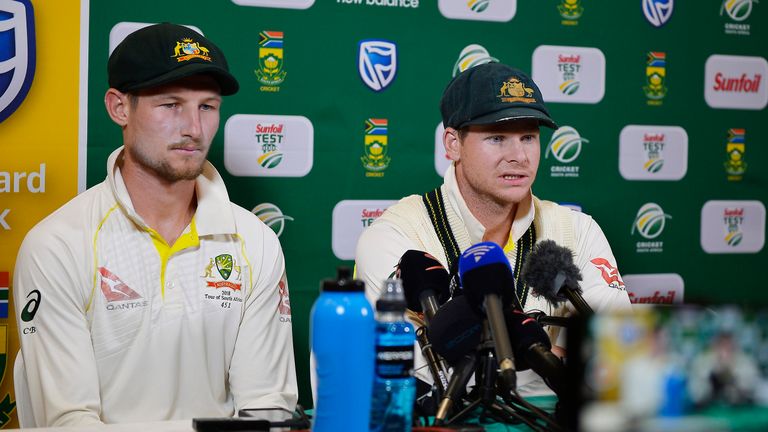
Ball-tampering came under the spotlight when Cricket Australia suspended Steven Smith and David Warner from international cricket for a year and Cameron Bancroft for nine months following their actions during a Test against South Africa in March.
Applying its previous code-of-conduct sanctions, the ICC issued a one-Test ban to Australia captain Smith and three demerit points for Bancroft.