
Five Ashes talking points: What have we learned from 2015 series?
Thursday 10 September 2015 09:33, UK
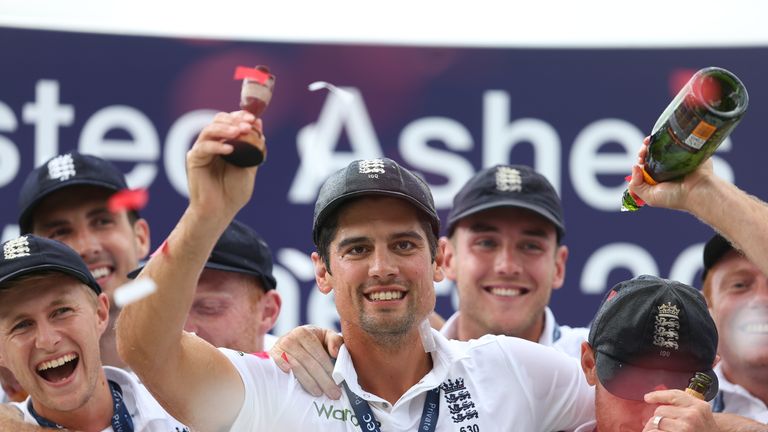
Unfancied after unconvincing Test series against West Indies and New Zealand, England upset the odds to beat Australian and regain the urn, but what has this series taught us?
We look at several talking points from the Ashes and dissect a new-look England team that displayed both breath-taking brilliance and shades of incompetence of old.
One extreme to the other
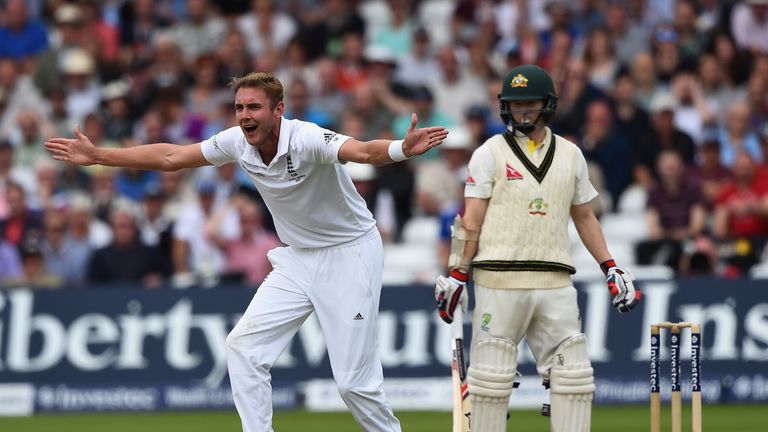
One of the most remarkable aspects to the 2015 Ashes Series was how none of the five Tests went to the wire.
A magnificent century from Joe Root in the first innings in the first Test in Cardiff set England en route to a resounding victory, sealed in the afternoon session of day four.
Then, Australia romped to a 405-run victory in the second Test, but with the momentum seemingly on their side, Jimmy Anderson skittled the tourists out for a meagre 136 in their first innings at Edgbaston, and turned the tide in England's favour once again.
Stuart Broad's now infamous spell of 8-15 at Trent Bridge ensured the Ashes was sealed with relative ease, before Australia cruised to a final Test success, to subdue England's coronation somewhat.
The contrast from Test to Test was remarkable, and in a series of two evenly-matched sides, the lack of consistency must be the most worrying characteristic for both coaches to consider.
Continuity key to Bayliss success?
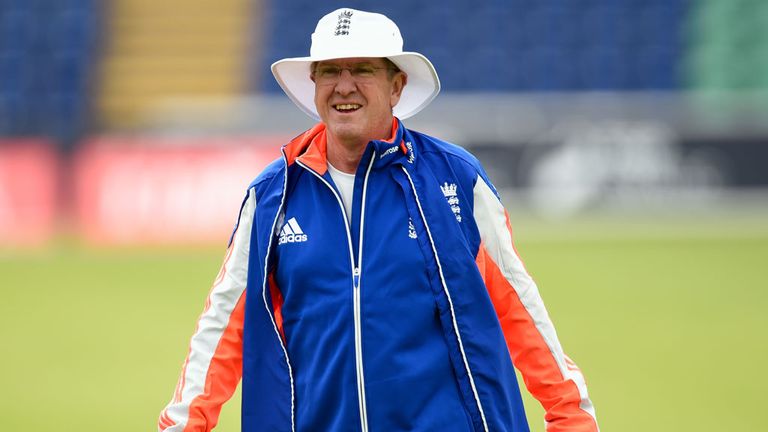
Taking charge of an England side in troubled times is no unusual occurrence for an incoming coach, but to name the same team that took part in the New Zealand Tests was in itself a brave move.
Calls for Ian Bell to finally stand aside, Adil Rashid to be given the chance to lead England's spin attack or Gary Ballance to be relieved of his duties were all but ignored by incoming Aussie coach Trevor Bayliss, stating the current group were the right men to take England forward.
After a pre-tournament trip to Spain to get to know his players, the England team seemed united right from the off, and as England took that unassailable 3-1 lead, all those naysayers who insisted wholesale change was needed retreated, and joined in the celebrations.
What legacy does Michael Clarke leave?
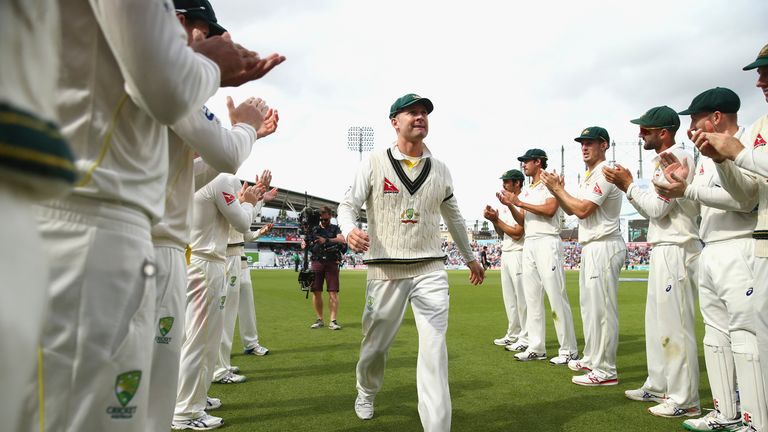
After announcing his retirement from international cricket following tourist's meek display at Trent Bridge, the inevitable post mortem of Michael Clarke's career has been surprisingly, and fervently mixed.
Clarke won the World Cup twice, and has been part of two Australian teams that white-washed England 5-0. At the same time, he has never won a Test series in England and has lost more matches to them as captain than any of his predecessors.
Close friend Shane Warne has been one of the key backers of Clarke, and is insistent that his legacy is one to be proud of, but not everyone shares the sentiment.
Matthew Hayden and Andrew Symonds have both come out and been far from complimentary over Clarke's conduct while wearing the baggy green, and left us doubting whether what went on behind the scenes was always as rosy as meets the eye.
Why did we ever doubt Captain Cook?
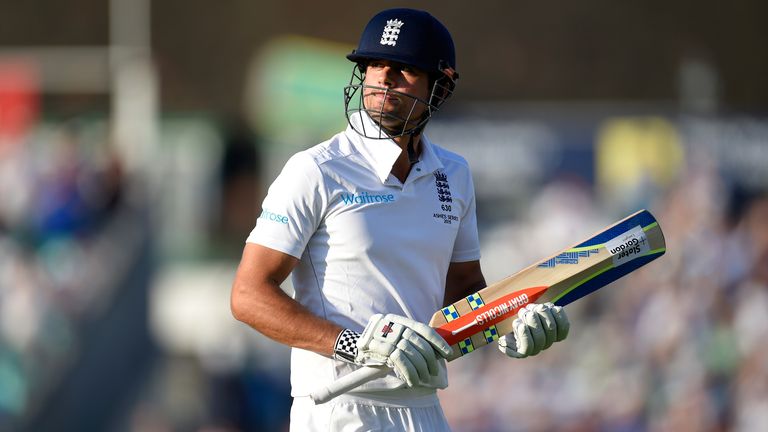
Before the start of the Ashes series, it seemed Alastair Cook's tenure as captain was coming to an end, and a series defeat against the Aussies would speed up that exit.
However, in the aftermath of a low quality series, Cook's captaincy reigned supreme, and with a lack of consistent performers or any with even remote leadership qualities, the ECB need to tread carefully around Cook, and keep him at the helm for as long as possible.
Joe Root seems the natural successor to Cook, but at 24, in the form he is in, the Yorkshireman does not need the added burden of leading the country.
Cook's defiance in the final Test saved England from an embarrassing series finish, and showed when he has to, the Essex batsman is still capable of stepping up to the plate.
Is curbing Buttler damaging for England?
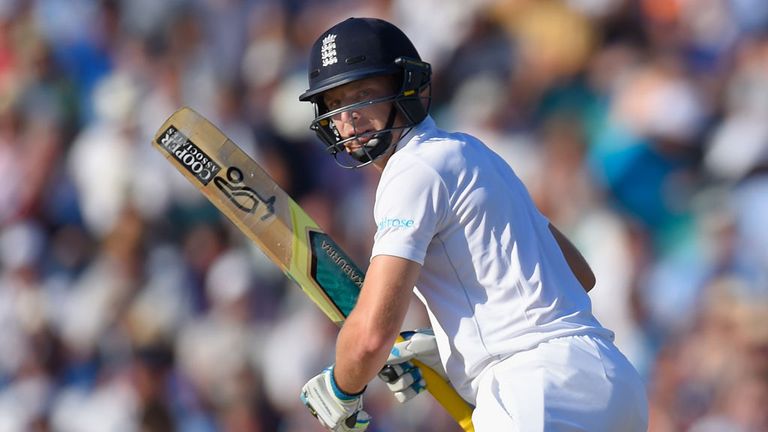
His scintillating one-day displays, utilising an array of shot making rarely seen on these shores, had experts and fans alike purring at the prospect of Jos Buttler putting Australia to the sword.
However, after a series of zero half-centuries, Buttler finished with a lower strike rate than every England player except the two openers and number 11 Steven Finn.
His wicket-keeping prowess means that his place in the side is assured for upcoming Tests in the UAE, but Bayliss and his team must allow Buttler to let loose – it is the only way he knows how.
The tentative shots we have seen from the Lancashire star throughout the series were painful to watch, but with much more conservative men above him in the order, Buttler should be allowed to play his natural game, and England could well reap the rewards.