
National Hurling League: Is the structure no longer fit for purpose?
Given the short turnaround into a round-robin based championship, is the current format of the Allianz Hurling League fit for purpose? Or would a return to the previous structure prevent a repeat of this year's underwhelming final round of group games?
Wednesday 23 March 2022 13:36, UK
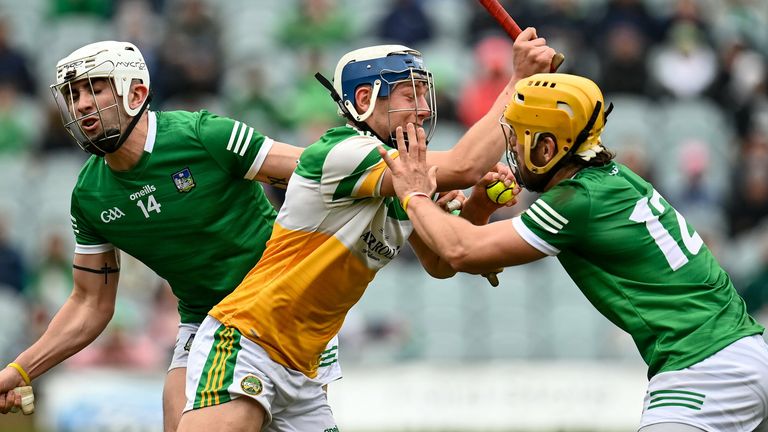
The group stages of the 2022 National Hurling League culminated with a whimper.
In truth, the small ball was overshadowed by the football league's penultimate round on Sunday afternoon.
In Division 1A, both semi-final spots were already wrapped up before a ball was pucked in the final round of games. All that was left to be decided was the bottom spot, with Limerick's facile 24-point win over Offaly a mere procession, ensuring the Faithful County would contest the relegation play-off.
Over in Division 1B, as Kilkenny pulled away from Waterford, it became clear that Dublin's interest was dwindling. Tipperary, Antrim and Laois already had nothing to play for on the final weekend.
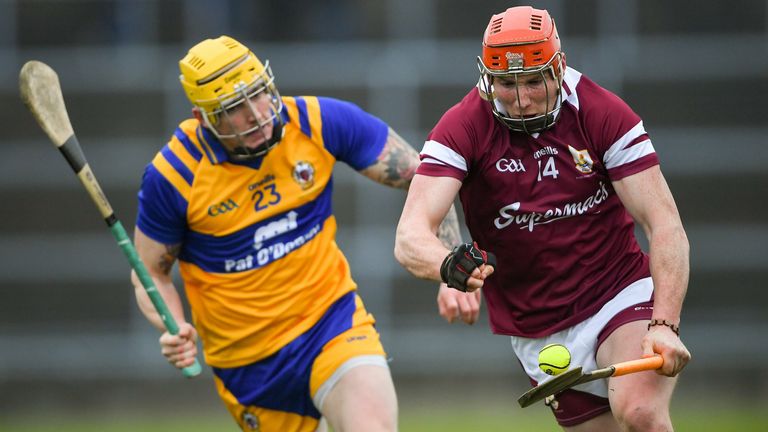
Was there a lack of jeopardy for Limerick? John Kiely admitted the campaign was 'disappointing'. Looking at the results, the five matches could not have gone much worse for the Treaty. The impact of those results? Very little.
As for their vanquished opponents, Offaly's springtime went largely as expected. They were competitive for periods in some games, but they were always out of their depth. Swimming with the sharks, the Faithful County lost all five games by a combined 83 points.
Michael Fennelly's charges had made real progress in 2021 with Division 2A and Christy Ring Cup titles. Was a softer landing spot needed?

The previous structure
After the 2019 season, the GAA discarded with a tiered Division 1 model. Up to that point, the top six teams entered Division 1A, with the next six sitting in Division 1B. There was a promotion and relegation system between the two, with both groups feeding into a knockout phase.
The GAA elected to change it up, with then-GAA president John Horan stating the top teams in Division 1B were at an advantage ahead of the summer.
"It was felt the winners of the All-Ireland were coming out of 1B and 1A seemed to be extremely competitive and there was a feeling there that it wasn't giving managers an opportunity to actually play players in a developmental manner because results were key, particularly in 1A, even in 1B because they were all trying to get out of it," said Horan.
"There is a view there that we will go back to two equal divisions and that they would play and there would only be relegation between the bottom two in each Division so relegation wouldn't be a factor and teams would get a chance to rest players and that players would get a chance to breakthrough."
Horan's comments at the time were diagnosing issues arising from when there was an extended lead-in to a knockout championship.
A provincial round-robin system which starts in mid-April is now in place, meaning there are different factors at play. With back-to-back league-based competitions for top-tier counties, the springtime competition has perhaps waned in significance for intercounty managers.
Therefore, is there another format better suited?
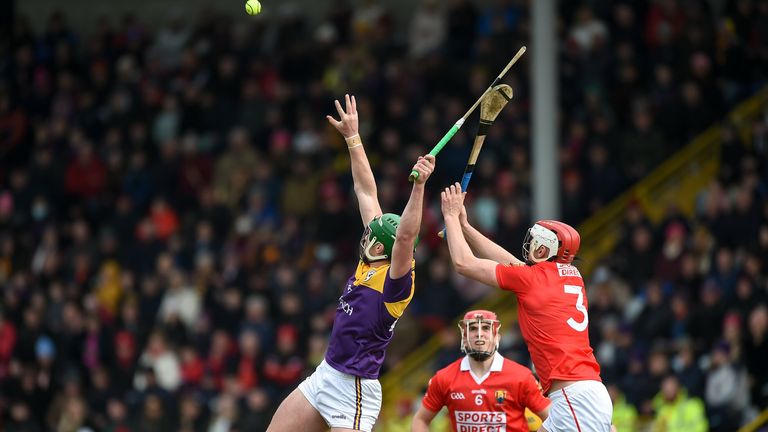
Should the GAA revert?
What the previous system offered was genuine jeopardy for the top counties, with relegation to a lower tier a real threat.
At present in the National Football League, the big guns have one eye on impending championship openers. But the intense nature of the top tier means that relegation sharpens their minds for this weekend, on what promises to be a bumper 'super Sunday' of action.
Furthermore, the old hurling format eliminated dead rubbers by offering seeded quarter-final spots, or entry into a relegation play-off for the bottom two teams in each group.
And crucially, there were viable pathways for teams promoted from Division 2A to establish themselves in the top tier, rather getting fed to the lions.
The 2022 National Hurling League will not live long in the memory.
And the underwhelming final weekend ought to provoke a change.