
Skeleton: Canada facing investigation amid claims 2026 Winter Olympics skeleton qualifier was sabotaged
Bobsleigh Canada Skeleton insist athlete withdrawals that inadvertently costed US skeleton slider Katie Uhlaender her chance of qualifying for the 2026 Winter Olympics was for athlete welfare, not competitive sabotage
Tuesday 13 January 2026 08:42, UK
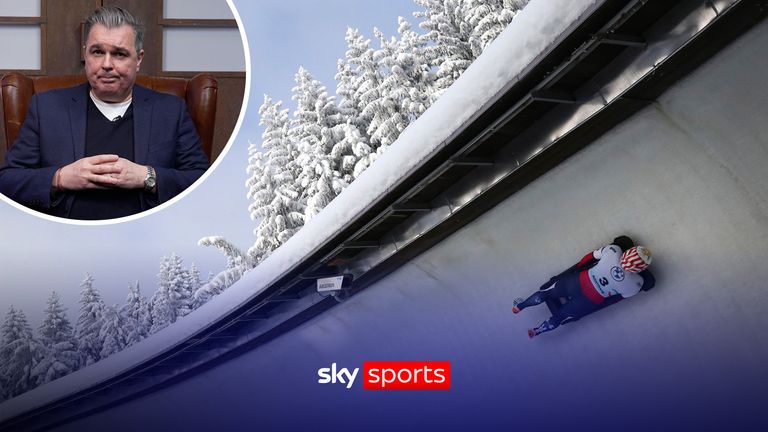
Canada has launched a robust defence against accusations it deliberately withdrew four athletes from a skeleton race, a move that dashed eventual winner Katie Uhlaender's hopes of qualifying for the Winter Olympics.
The International Bobsleigh and Skeleton Federation is investigating after the United States' Uhlaender alleged that her chances of qualifying for a sixth Olympics were sabotaged by Canada's decision to remove athletes from the North American Cup race in Lake Placid.
The reduced field led to a decrease in the number of Olympic qualification points available to Uhlaender, thereby ending the five-time Olympian's hopes of reaching Milan Cortina.
Uhlaender claimed that Canada's head coach, Joe Cecchini, made her aware of the plans ahead of Sunday's race, and she understood the decision was made to ensure Jane Channell's qualification.
"I cried when I found out he went through with this plan," the 41-year-old said. "I didn't know if it hurt more that my friend of 20 years just nailed my coffin, my Olympic dream is over, or that my best friend of 20 years is doing something so horrible that hurts so many people."
Uhlaender's accusations have prompted an investigation by the International Bobsleigh and Skeleton Federation's Integrity Unit.
In a statement, the IBSF said: "Following the recent discussions around the withdrawal of several Canadian skeleton athletes at last weekend's IBSF North American Cup in Lake Placid, the IBSF has requested its Integrity Unit to conduct an investigation into the incident."
Governing body Bobsleigh Canada Skeleton staunchly defended its decision, insisting its actions "were appropriate, transparent, and aligned with both athlete welfare and the integrity of the sport."
It acknowledged withdrawing athletes had an unintended impact on the size of the field and the number of development points but said the decision was made in consultation with the IBSF.
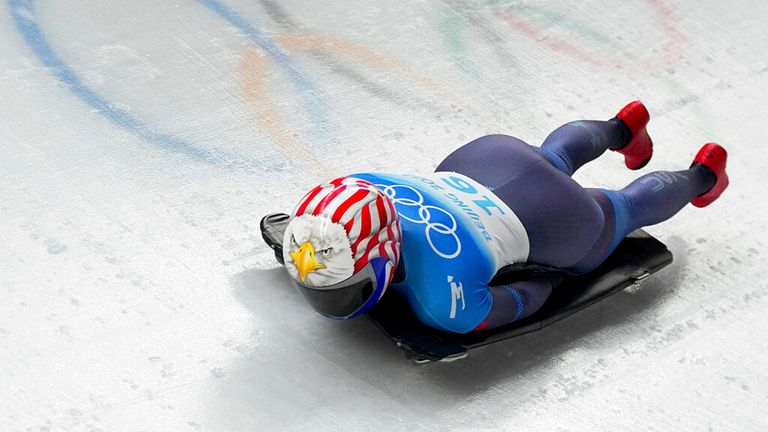
"The Lake Placid event presented unique circumstances, as it consisted of three races in a single week rather than the standard two. Four of our athletes entered in the event are young and relatively new to the sport. All experienced a particularly challenging week on the track," a BCS statement read.
"It was determined that continuing to race these athletes was not in their best interests. As a result, they were withdrawn from further competition at that venue this weekend. Our two most experienced athletes continued to compete."
Denmark, Israel and Malta are understood to have had athletes affected by the withdrawal and have joined the United States in raising the issue with the International Olympic Committee's athletes' commission.