
Manchester City have dropped points in each of last three Premier League games - what issues does Pep Guardiola need to fix?
Man City are winless in their last three Premier League outings after going ahead in two of them; chances are being wasted and ultimately costing points, falling further behind Arsenal in the title race; what are the most pressing issues facing Pep Guardiola ahead of a defining period?
Friday 9 January 2026 09:40, UK
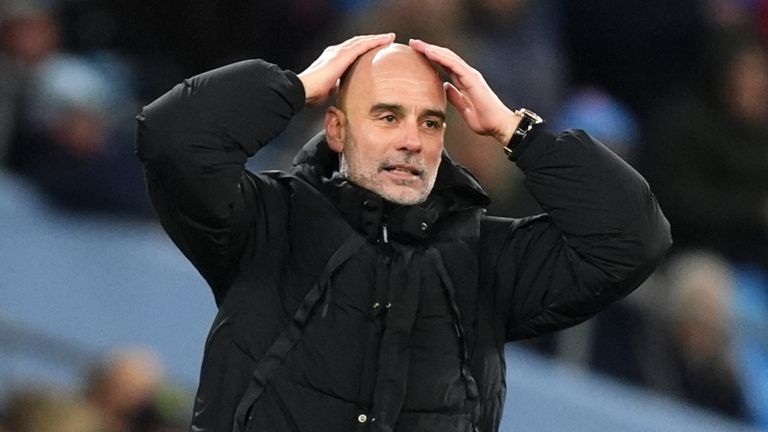
"Of course, when we don't win games we can't think about these things," Pep Guardiola replied when questioned on Manchester City's position in the Premier League title race after drawing with Brighton. "Unfortunately we could not score, and scoring goals is part of doing your job."
2026 has not been kind to Pep thus far, still searching for a first win. City have now dropped points in each of their last three outings, and nine from winning positions overall. After a period of such promise, their title bid has faltered.
Absence from the race, if indeed a six-point gap means the chase is beyond City, leaves the Gunners without an obvious challenger and a free run at Premier League glory.
What, then, are the biggest issues at play - and where should attention be focussed ahead of a season-defining rest of January?
- Transfer Centre LIVE! | Man City news & transfers🔵
- Man City fixtures & scores | FREE Man City PL highlights▶️
- Got Sky? Watch Man City games LIVE on your phone📱
- Not got Sky? Get Sky Sports or stream with no contract on NOW📺
Defensive shortcomings
Guardiola had found a settled formula at the back this season, naming the same defensive four to start in 12 of 21 games. Of those 12, 10 ended in victory - the only defeat being a 2-1 loss at Newcastle.
With Josko Gvardiol and Ruben Dias at the heart of things, City had two athletic centre-backs who can play, and balance the left and right sides perfectly. Flanked by Nico O'Reilly and Matheus Nunes, they had the perfect blend of energy, dynamism and stability.
But strength has since been shattered by injuries. And now that combination is unavailable, it leaves Guardiola with a big hole he does not have the personnel to fill. Recalling Max Alleyne from a successful loan spell at Watford was smart and he acquitted himself excellently on his Premier League debut in the Brighton draw - Abdukodir Khusanov was equally impressive.
Pep admired the fledgling partnership: "They played exceptional," he said. "Khusanov is incredible; helped us with long balls in-behind. He can control all the width, he's so fast." Khusanov won every duel he contested, while Alleyne's schooling through the City academy was clear by his composure on the ball.
But with Dias unavailable until at least March and Gvardiol unlikely to be seen again this season, John Stones still sidelined, and Nathan Ake unable to play more than one game a week, there exists an obvious deficiency. Defences win you titles, and City's falls painfully short of cover. Might it be time to fast-track summer plans to sign a defender now?
Missing big chances
Do the Premier League's top scorers have a problem scoring goals? Actually, yes. City have looked sluggish since the turn of the year; a product of the fixture congestion and an inability to rotate with so many players injured. Across this latest three-game run, they have scored just two from an xG value of 5.61 - and one was a penalty.
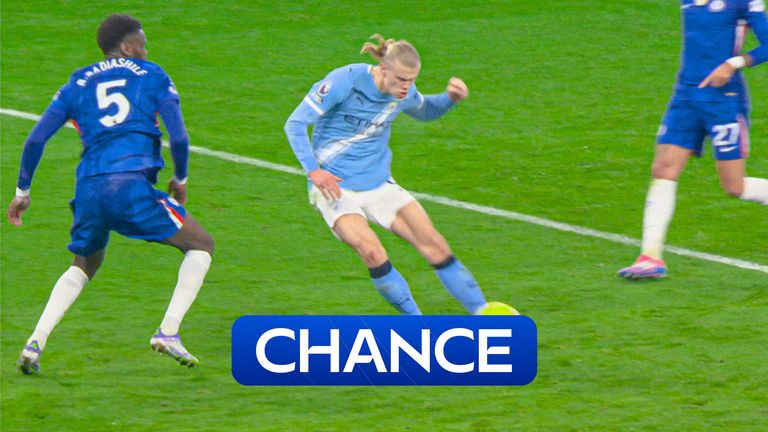
"I loved a lot the many good things, but we don't score goals," reflected Pep. "So many clear chances, and it's not just one player, two players, it's all the people up front who played a lot." City have missed more Opta-defined big chances (45) than any other side in the league this term, which must of course be caveated by the fact they create proportionately more, without detracting from the heart of the issue.
Chances missed are a running theme; even more important when chances conceded are on the rise too. City generated four big chances against Brighton and squandered three. Erling Haaland alone registered eight efforts at goal, of which 50 per cent hit the target, and was still unable to score from open play.
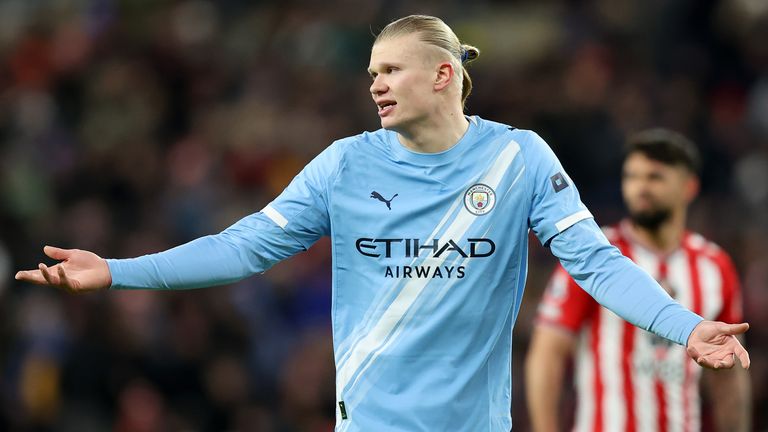
"We created a lot, chances in the six-yard box, and we could not score," Pep repeated in his press conference. Sharing the load between his very many talented forwards to complement Haaland's immense output remains another obvious area of improvement. Incoming Antoine Semenyo might well be a large part of the solution here.
Strong starts undone by weak finishes
Man City always start games on the front foot. That is the Pep mantra. No matter what combination of players play in any given formation, City will go after games from the first whistle and that tends to frighten opponents into submission. It's the reason they have only conceded once in the opening 20 minutes all season.
But the backend of matches is becoming a problem. To play the Pep way you need incredible amounts of energy because he wants the ball constantly at risk, high up the pitch, and then if possession is turned over the recovery structure demands you run hard and fast. Brighton tried to punish City on the counter-attack numerous times on Wednesday, particularly in the second half. Chelsea employed the same tactic four days prior.
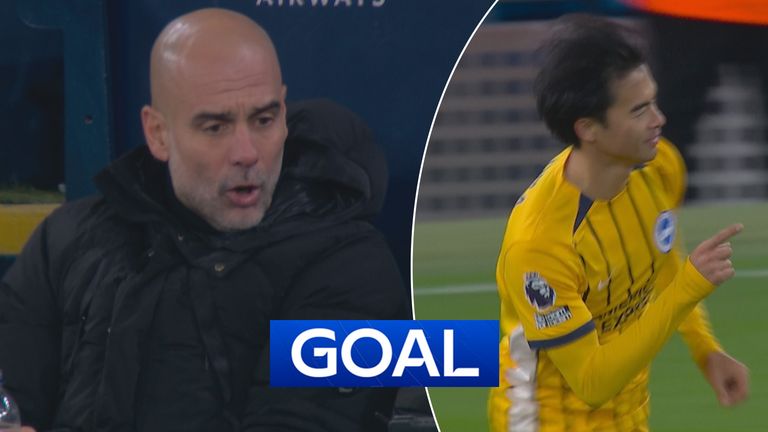
When legs tire mistakes are made. Of the 19 goals City have shipped this season, 68 per cent have been scored in the second period and 48 per cent of those landed in the final 20 minutes. City need to be better at seeing out games or establishing a big enough scoreline margin that conceding late does not affect the outcome of games.
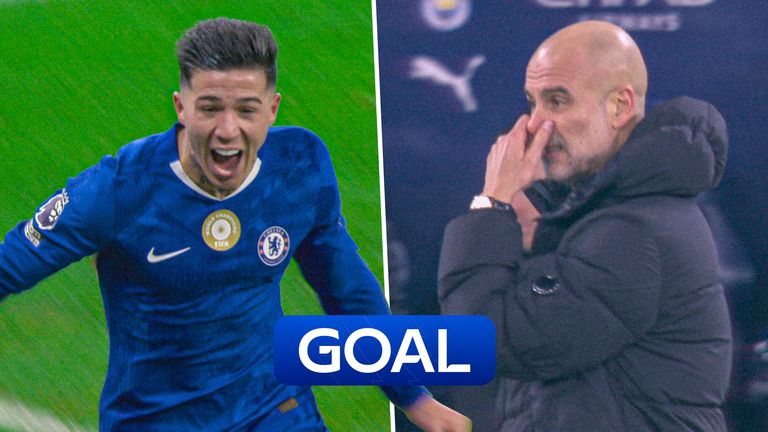
Last season's issues resurfacing?
A question was put to Pep in his press conference on Wednesday about the difficulty of this three-game run and its likeness to last season. There are parallels to draw in the injury situation causing instability but three successive draws hardly constitutes a meltdown, albeit unideal given Arsenal have made a habit of winning.
Pep's reply focussed on the key differences: "It's quite obvious. The energy and the way we play will create the chances that we create, expected goals [are higher]." No doubt City are in a much better position than this time 12 months ago, playing a style of football that has transitioned towards being more vertical ie direct. That does forgo an element of control, though, and in games where City punch through the heart of teams that has not mattered.
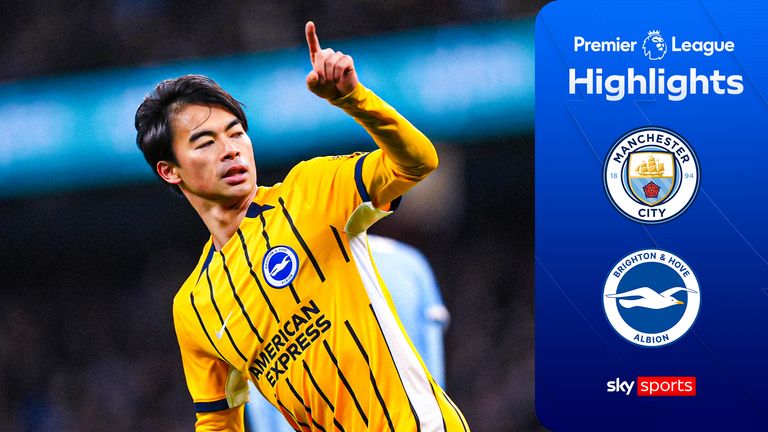
But in games of smaller margins where creative output has been found wanting, it's harder to justify being that much more open. Brighton were actually City's best creative player on Wednesday and of the nine points Guardiola's side have dropped from winning positions this season, five have been to the Seagulls.
Sounds straightforward, but for this latest City evolution to be a viable running mate to Arsenal in the title race a greater volume of goals is needed to offset what will inevitably be more conceded.
What next?
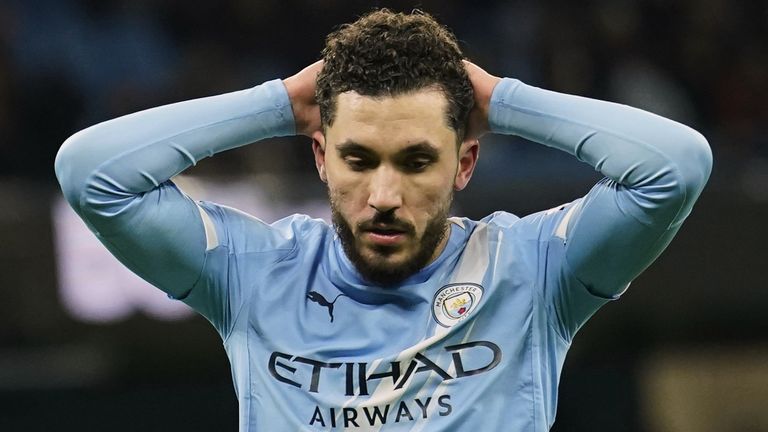
City have six more games across four different competitions to navigate in January alone, including the Manchester derby.
It's no surprise this downturn, which is just that, a post-Christmas slump, has coincided with four games in which Haaland has failed to find the net from open play. He is the type of character to want to shoulder the scoring burden and the design of City's structure is engineered in such a way for him to do that - doesn't mean he does not require help, though.
City have some of the world's best chance creators, converting those into goals requires more work than Haaland is capable of doing single-handedly. His strike rate (0.99 per 90) is already comfortably the best in the league. Jeremy Doku, Phil Foden and Rayan Cherki are among those whose output now must be greater.