
Trailblazer Jane Couch talks Sky Sports through her 14-year career in boxing
Tuesday 11 April 2017 14:23, UK
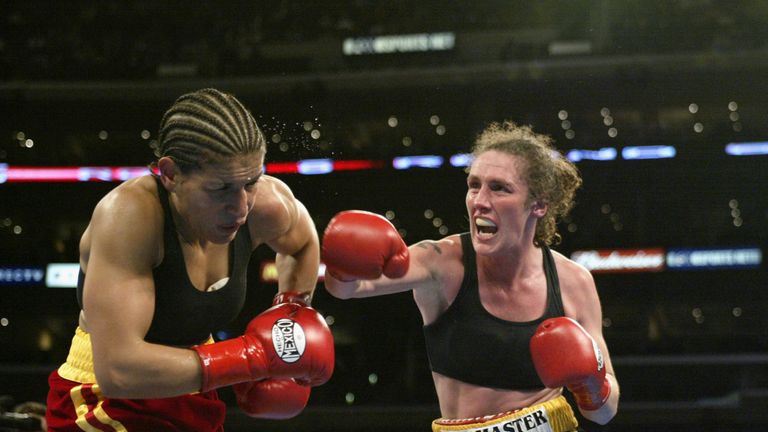
Travelling across America fighting on shows alongside Lennox Lewis and Naseem Hamed sounds like the stuff boxers' dreams are made of.
But for trailblazing five-time world champion Jane Couch - Britain's first licensed female boxer - it was a case of taking the rough with the smooth.
"Fighting on the undercards of Lennox Lewis and Prince Naseem were amazing experiences," Couch told Sky Sports.
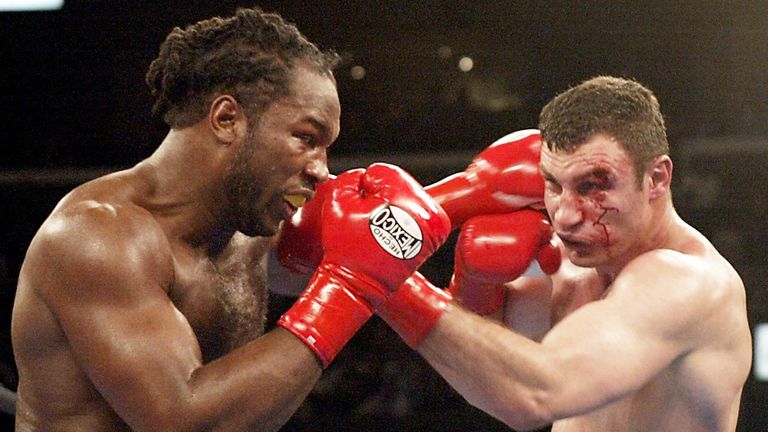
"I was getting around 500 quid a fight [in England] but even when I fought Lucia Rijker on the same bill as Vitali Klitschko v Lennox Lewis - in what was one of the best women's fights ever - I think we only got around a thousand pounds each. And we had to pay for our own flights and our own hotels.
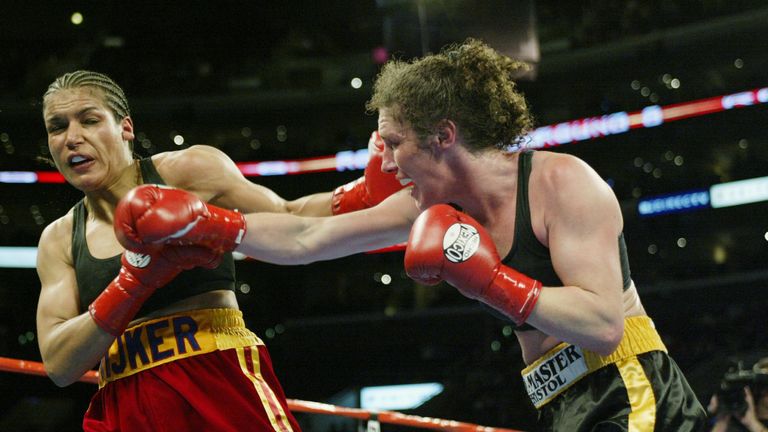
"I remember ahead of a fight, where Roy Jones Jr v Montell Griffin was the main event, I had to sleep on the floor at the Foxwoods Resort Casino because I didn't have a hotel room.
"I'm not sure who the promoter was - it may have been Roy Jones himself - but when we got there they hadn't booked the rooms for the undercard fighters.
"There was no space at Foxwoods and when we went over the road to the other hotel it was fully booked because of the fight. So we took the floor in the casino. It was okay, it was quite comfy!"
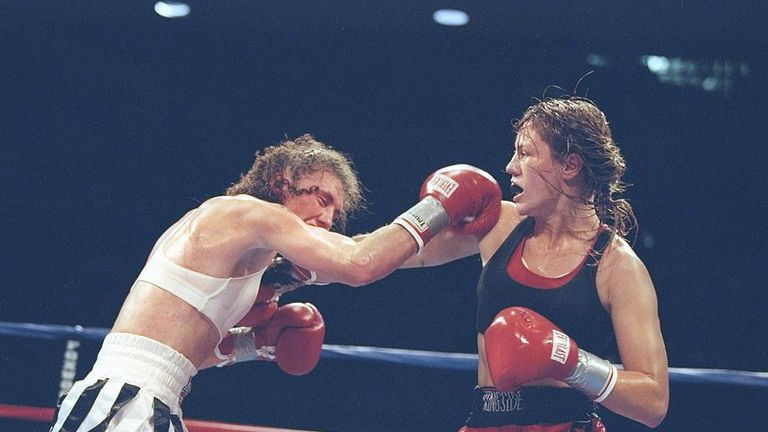
Sleeping on a casino floor ahead of a world title defence was nothing compared to Couch's fight for the right to fight, which took her from her native Fleetwood to Foxwoods via Bristol.
Women's boxing was illegal in the UK when Couch saw a documentary about female fighters in the mid-90s, featuring Irish stalwart Deirdre Gogarty and American great Christy Martin.
"I just saw that fight and fancied a go at it," said Couch, who earned herself the nickname the Fleetwood Assassin.
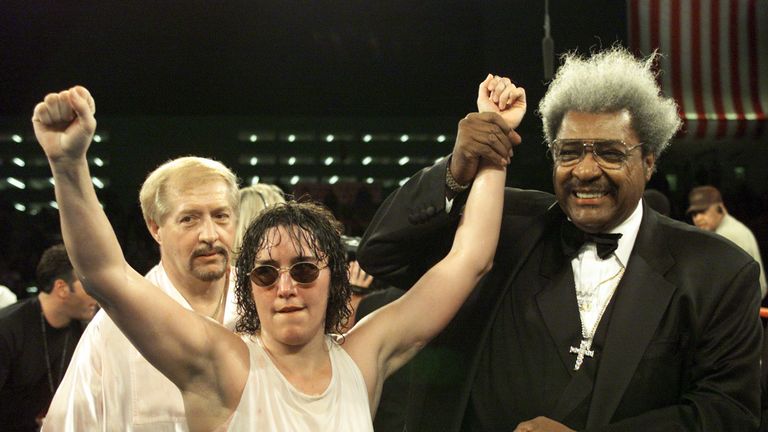
"But when I went to the gym they said 'you are a girl, you can't come in, go away'. So I had to go away and find somewhere else. That's how I ended up in Bristol. It was the only place I could find where someone would coach me.
"I had to fight blokes, but it was illegal, and women's boxing was all underground at the time, which is why I had to go to America because they were further ahead than us and it was accepted there."
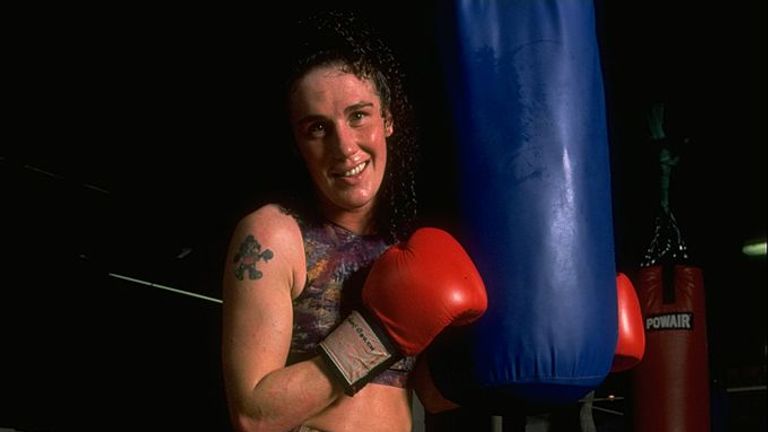
Couch had already become a light-welterweight world champion before winning her case at an industrial tribunal in 1998, forcing the British Boxing Board of Control [BBBofC] to award her a license and sanction contests for female fighters.
Couch, whose boxing career spanned 14 years, ending in 2008, said: "A solicitor called Sara Leslie had seen an interview I'd done on TV and took up my case, enlisting the help of a barrister specialising in equal rights called Diane Rose.
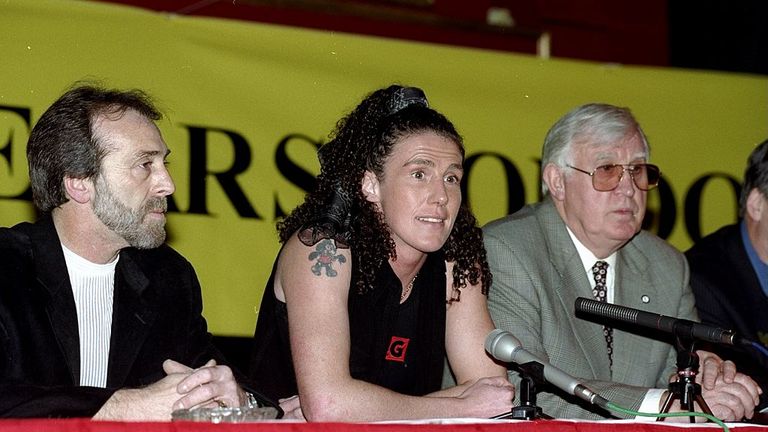
"They worked tirelessly in the battle with the board to get me a license. It would have cost hundreds of thousands to fight but Sara was that sure the board were discriminating against me she did it all pro bono."
The landscape of women's boxing has completely changed since Couch took on German fighter Simona Lukic in London, in Britain's first sanctioned women's bout almost 20 years ago.
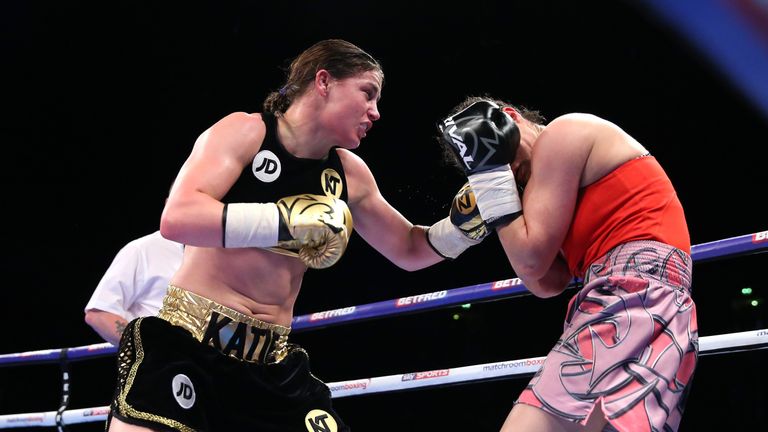
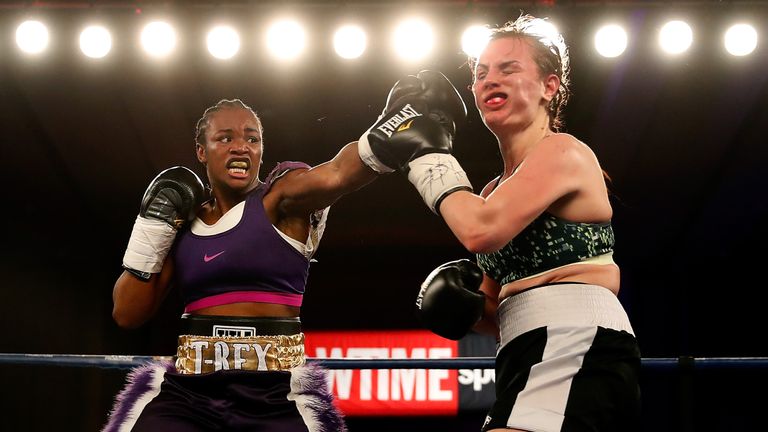
Olympic champions Katie Taylor, Nicola Adams and America's Claressa Shields have all turned pro in the last 12 months but Couch has no regrets about coming through then as opposed to now.
"I was pretty much the only one doing it and I'm pleased I made it possible for girls to fight now," said Couch, who was awarded an MBE for services to sport in 2007.
"It's a shame it took until London 2012 for things to really catch fire and it would have been nice to have someone go before me but I was happy doing what I was doing.
"I just wanted to fight. I really enjoyed it. I would have fought for free and looking back I don't think I would have changed anything."