
The Final Round: Sky Sports News documentary explores why a boxer's toughest fight begins after the final bell
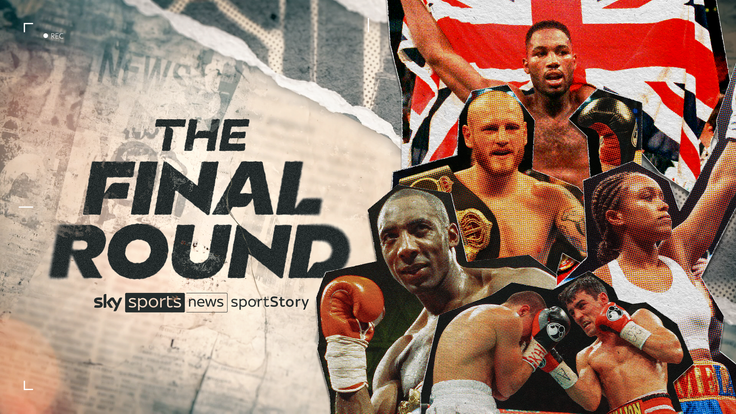
How do fighters deal with walking away from the sport? Lennox Lewis, Dave Allen, Natasha Jonas, Eddie Hearn, Johnny Nelson and more discuss the addiction of fight night and building a life beyond boxing in new Sky Sports documentary ‘The Final Round’

Thursday 30 July 2026 17:35, UK
When Tyson Fury announced his retirement after beating Dillian Whyte in 2022, plenty of people believed him. Fury himself probably did too.
Yet within months, the pull of boxing had returned and talk of another fight emerged. Since then, retirement and comeback announcements have become familiar chapters in the Fury story.
He's far from alone.
Over the last few years, I've asked boxers about this subject more than any other. What do current fighters think they'll miss? What have former fighters left behind? When is the right time to get out, and how do you cope once it's over?
When fighters describe fight night, there is a look in their eyes. The ring walk. The seconds before the opening bell. The feeling of victory. They are talking about something genuinely addictive.
"It's euphoric," is how Johnny Nelson describes it in The Final Round, a new Sky Sports documentary on Sky Sports Main Event at 10.30pm on Friday July 31 and on Sky Sports' YouTube channel from Saturday 1 August.
"The roar of the crowd, that's what I miss most about boxing," Lennox Lewis admitted.
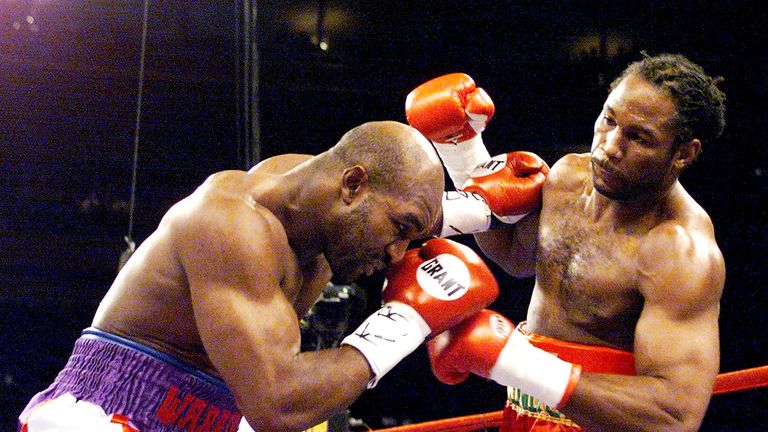
Whether it was Lewis walking into Madison Square Garden to defend the heavyweight championship of the world or Dave Allen fighting closer to home in Rotherham, the feeling is the same.
"It's hard to replicate the buzz of fight night," Allen said. "Nothing else can match it."
"It's the ring walk that you miss," added George Groves. "Getting that energy that comes from the crowd. There'll be nothing else like it."
But Father Time catches everybody. Even when a fighter's body is sending warning signs, something else often keeps them going.
Pride. Ego.
"Ego never leaves a fighter and that is the problem," said Nelson. "The fire and desire might disappear. But ego is always there, telling you to do it again."
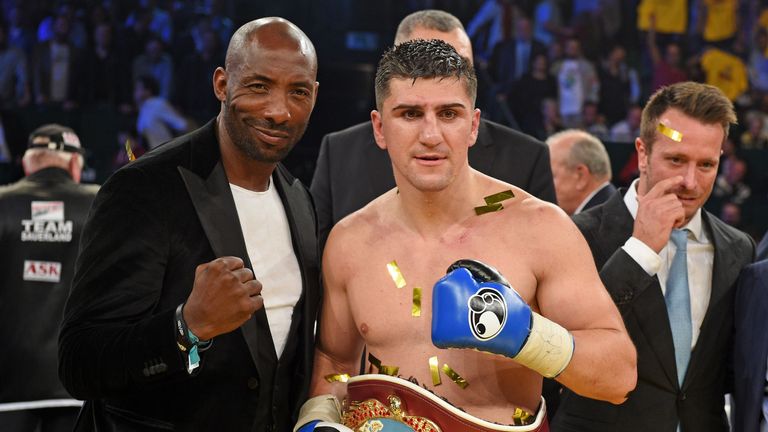
Nelson knows that better than most. Nine years after retiring, he briefly convinced himself he could return. It came after Marco Huck equalled his record of 13 consecutive world title defences and questions were raised about how the two would have fared against each other.
Initially, Nelson laughed it off. Then he started thinking. Interest in the fight grew. So did his belief.
"I was seriously considering it," Nelson admitted. "I knew I wasn't the fighter I was, but ego got the better of me."
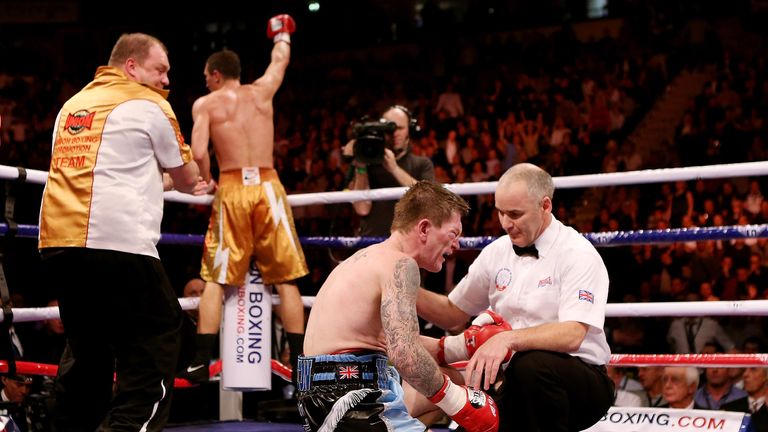
Not every comeback ends well. Ricky Hatton learned that when he returned against Vyacheslav Senchenko in 2012, three years after his previous fight.
"I don't regret my comeback," Hatton told me. "That confirms it, you're done. We always think we've got one last go in us."
Hatton understood as well as anyone why fighters struggle to walk away. He loved boxing from the moment he first stepped into a gym.
"The first time I got hit, I absolutely loved it," he said. "It's just so addictive. There's no sport like it."
After climbing to the top and becoming world champion, he found it difficult to let go.
"When you get there, it's a dream come true and you want it to go on forever. Boxers find it very challenging to walk away."
That is the romance of the comeback. The fighter gets to believe they can still be who they once were. The audience wants to believe it too.
Lewis resisted the temptation despite receiving countless offers.
"I've toyed with it myself," he admitted. Asked if he was ever tempted, his answer was simple. "Absolutely. All the time."
For all the talk of ego, pride and adrenaline, another factor cannot be ignored.
Money.
The irony of boxing is that some fighters earn their biggest purses as questions about retirement begin to grow louder.
Tyson Fury and Anthony Joshua may yet earn the largest individual paydays of their careers despite many believing their best years are behind them.
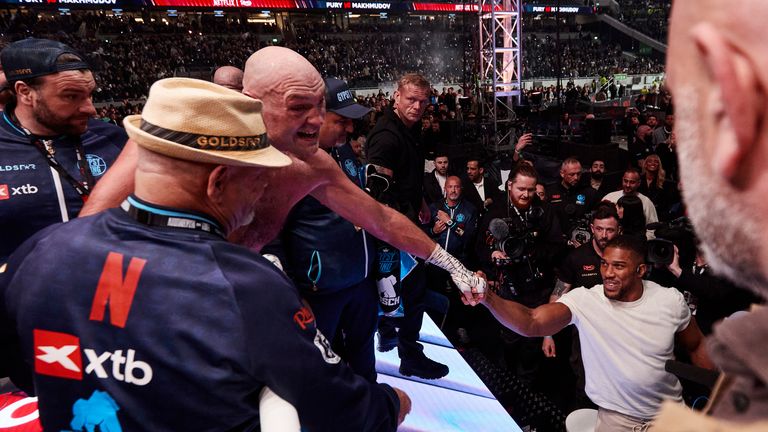
But they are exceptions.
"Boxing is a relatively poor sport," said Robert Smith, general secretary of the British Boxing Board of Control.
"The vast majority of boxers have other jobs. Most don't make enough money."
Few fighters better represent boxing's grind than Sam Eggington. Across a career defined by risk-taking and relentless activity, he became a favourite among British fans.
While filming for our documentary, Eggington decided the time had come to retire.
"I started boxing because I got made redundant," he said. "I needed to make money to live."
Unlike Fury or Joshua, retirement does not mean financial freedom. For years Eggington balanced boxing with other work. Now comes an even bigger challenge: finding an identity away from the ring.
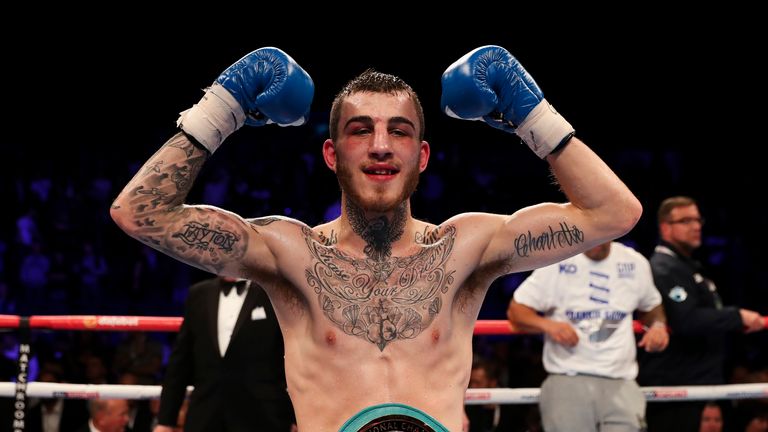
That transition can be brutal.
"I don't know anything else," Allen admitted. "It's been boxing since day one. The thought of life without boxing is frightening. I'm just David the boxer."
If anybody understands the challenge of knowing when to stop, it is boxing's trainers.
Joe Gallagher has guided world champions and contenders for more than two decades. He has seen fighters arrive as teenagers and leave as veterans.
"Everyone wants their own little Rocky story," he said.
But boxing can be unforgiving.
"Your home is the gym. It's your identity. Then suddenly it's gone. Boxing can be cruel. You finish and there's nothing for you."
Promoter Eddie Hearn has witnessed countless careers rise and fall.
"Fighters miss the buzz of fight night," he said. "But they also miss training camp, being around people and having that routine every day.
"That's why it's important they find interests beyond boxing, because it's a career that ends very early."
Some manage to leave at the right time.
Groves retired at 30. Anthony Crolla was 32. Both had opportunities to keep going.
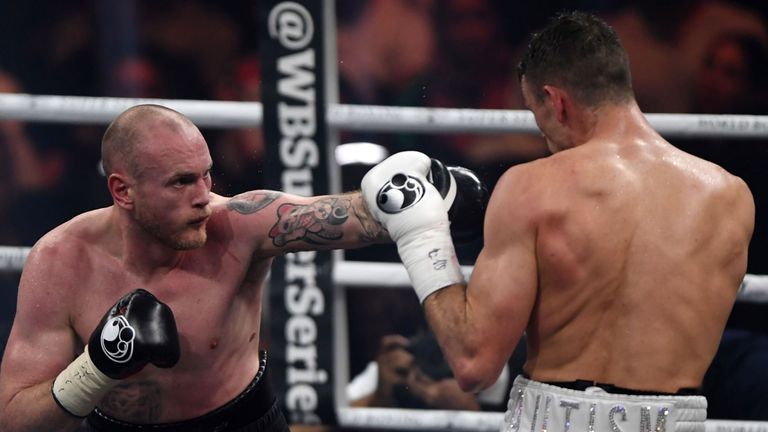
"I could have hung around for a few more paydays," Crolla said. "But what good is that when I'm trying to train kids and set an example?"
Groves retired after a defeat to Callum Smith, perhaps the hardest way to leave.
"I wanted to go out on a win," he admitted. "But I didn't want to be that guy who lingered for the money or chased the highs I once had."
Others find it harder.
Every few months another clip emerges of a faded fighter looking vulnerable in the ring as fans plead for retirement.
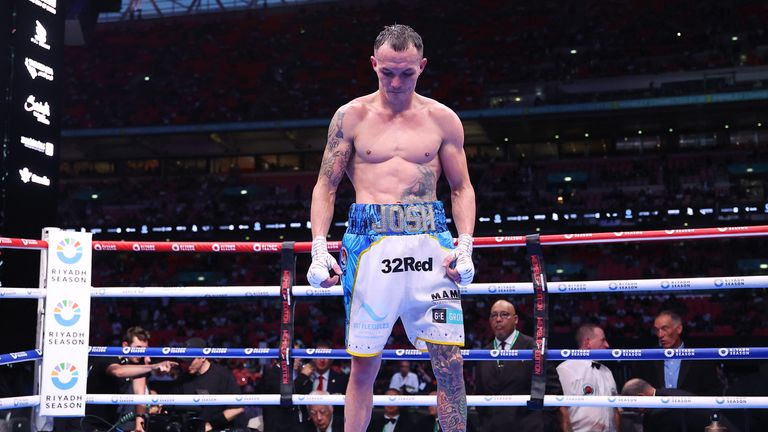
Joe Joyce has lost five of his last six fights. Josh Warrington laid his gloves down after one defeat before returning again.
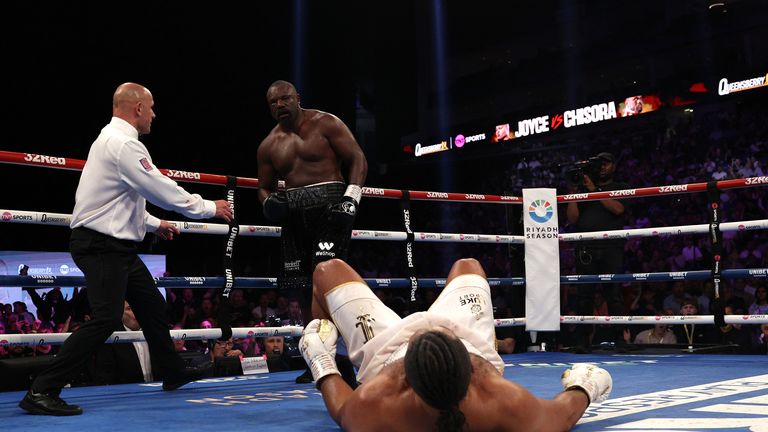
"The more time that's gone on, the more I've thought about why I'm coming back," Warrington said before his latest return.
"I know there's going to be a time where I have to mourn eventually."
That may be the heart of the issue. Retirement in boxing is rarely a single moment. It is a process of letting go.
Unlike football, boxing has little formal support once a career ends. The Professional Footballers' Association offers transition programmes, pension guidance and support networks. Boxing largely leaves fighters to figure it out themselves.
That is why discussions around pensions and fighters' unions continue.
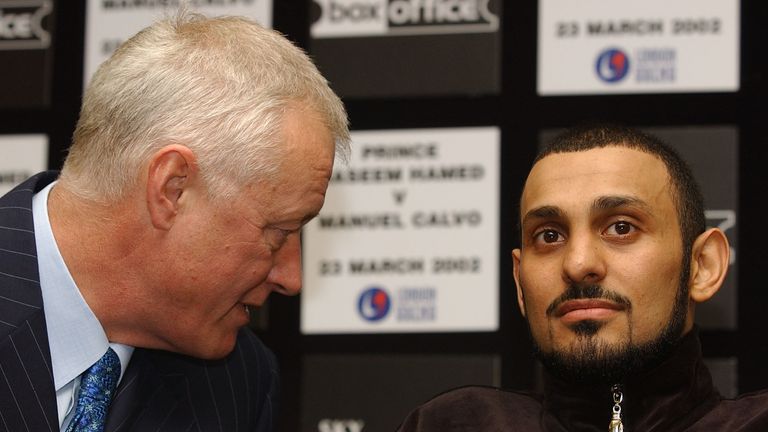
Nelson remains grateful for a pension scheme introduced by Barry Hearn years ago.
"When I turned 55, I got a letter through the post," he said. "I'd forgotten all about it. From that point on, I thought this needs to be brought back."
The latest attempt comes through the Global Fighters' Association, which aims to provide greater support and financial security.
Because while the money earned in boxing varies enormously, the challenge of leaving remains remarkably similar.
The final round is rarely fought beneath bright lights. More often, it comes in private moments, when a fighter must decide whether to chase one last comeback or make peace with what has already been achieved.
Boxing conditions its athletes to ignore pain, resist doubt and keep pushing forward. Retirement asks them to do the opposite.
In a sport built on defiance, it demands acceptance. And for many fighters, that may be the hardest fight of all.
Watch 'The Final Round' on Sky Sports Main Event at 10.30pm on Friday 31 July, or on demand, and on Sky Sports' YouTube channel from Saturday 1 August