
Clare Connor aims to promote inclusivity as first female president of MCC
"What my appointment signals, and that of Kumar Sangakkara before me, is that the club wants to operate and thrive in a more diverse future"
Saturday 27 June 2020 12:50, UK
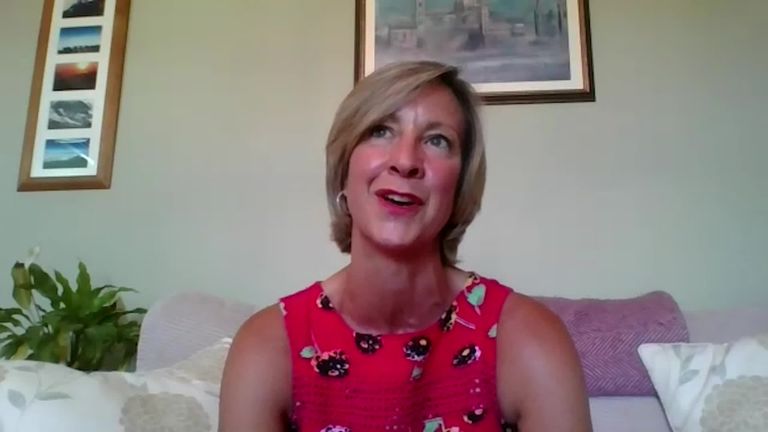
Clare Connor is determined to make cricket more inclusive once she starts as president of the Marylebone Cricket Club in October 2021.
Connor - currently managing director of women's cricket at the England and Wales Cricket Board - was named as the first female president of the MCC in the organisation's 233-year history on Wednesday.
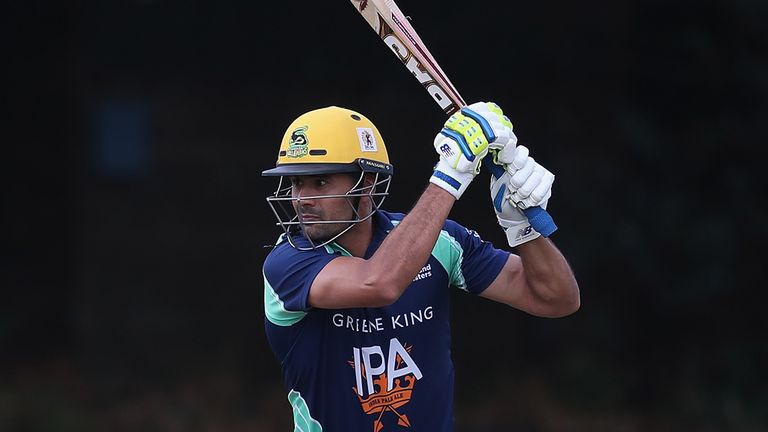
The 43-year-old will succeed Kumar Sangakkara, the former Sri Lanka captain, who will stay in the role for a second 12-month tenure because of the impact of the coronavirus pandemic on cricket.
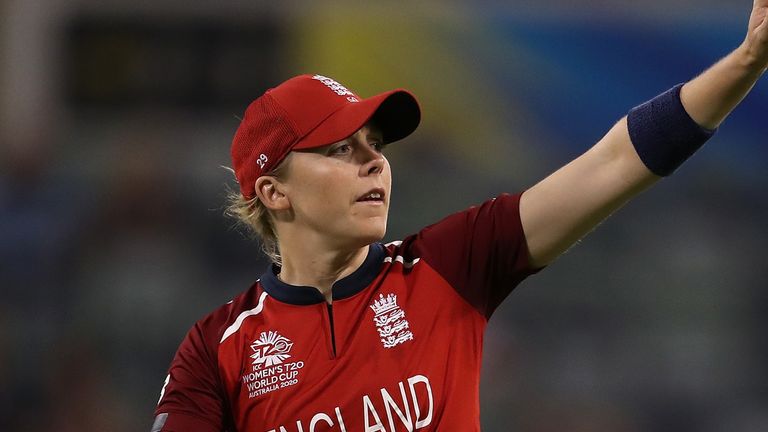
Speaking to Sky Sports News' Geraint Hughes on the same day as England Women's captain Heather Knight admitted her team must become more diverse, Connor stressed that her message through the MCC and its charitable foundation will be based on inclusivity.
"Cricket generally, and the MCC in particular, is changing," said Connor, who played for England 111 times.
"We are in a fast-changing world and cricket and the MCC want to change, and by that I don't discredit the past and I'm not being critical of it for a moment.
"But sport is part of that changing world and I think that there is a global and a societal change agenda at the moment about being more inclusive, about accessibility, about equality.
"Specifically for cricket, and with my ECB hat on, we want cricket to improve lives; we want cricket to be for everyone.
"I've lived my whole life being 'the first woman'; in my first eight years in the game I was in all-boys teams right through to the Brighton College first XI. I went on tour to Zimbabwe with them; I was a complete oddity, I suppose, growing up.
"Then I've become the first woman to do other things within the game, having followed in the footsteps of some other amazing women - obviously Rachel Heyhoe-Flint being the most pioneering of them - and I kind of thrive on that, actually.
"I don't really see it as a pressure. I see it as an amazing opportunity and privilege to hopefully open up cricket to more people, to more girls and women in the future and for everybody to see that they belong.
"The MCC is the great example of that. Women were not welcome until 1999; that's just the facts of the matter.
"What my appointment signals, and that of Kumar Sangakkara before me, is that the club wants to operate and thrive in a more diverse future. That's how I'll be approaching it."
Connor is particularly looking forward to working with Dr Sarah Fane, the new director of the MCC Foundation, which aims to enhance the lives of young people through cricket.
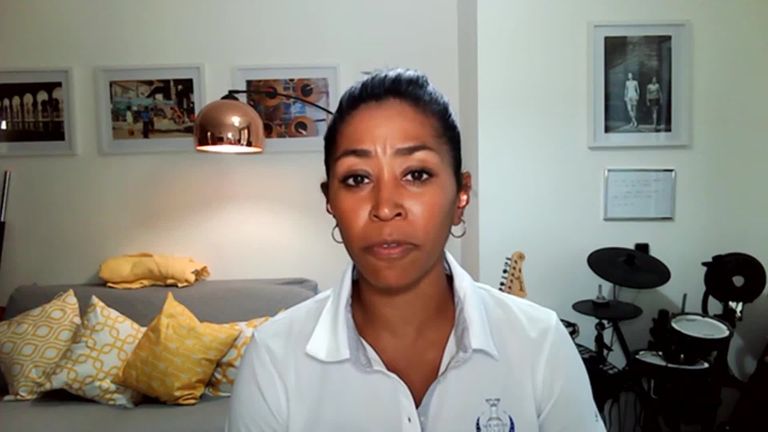
A key aspect of their work will focus on re-engaging black communities with cricket and Connor hopes the Black Lives Matter protests and shows of support across sport will help to rebuild bridges.
"We've started to do some work, just over the last few weeks, as to 'why has cricket lost a really wonderful relationship with our black communities?'" she said.
"'Why have we only got one per cent of our grassroots participants black and why are very, very few of those girls?'.
"The question can be 'why aren't there more black, British-born cricketers playing for the England men's or England women's team? And why aren't there more professional black cricketers?'.
"But really the answer to those questions lie in cricket's relationships with black communities at a grassroots level.
"I think that is something where the timing of this could be really neat because ECB as the national governing body will have started to have really get its teeth into that work over the coming months.
"Hopefully I can enhance that a little through the MCC role, through the communities work that the MCC does through the London boroughs and through the foundation.
"In the 1970s cricket had a thriving relationship with the black communities, so where has that gone and why? Is it to do with selling school playing fields? Is it because black children don't see role-models or coaches at the higher level or many players earning a living?
"So similar questions to why aren't more girls playing the game but within the gender group is the ethnicity group as well. It really matters because everyone should feel welcome in the game."