
Martin Whitmarsh admits McLaren made qualifying errors with both cars in Australia
McLaren left lamenting timing of tyre calls after disappointing qualy
Sunday 17 March 2013 01:55, UK
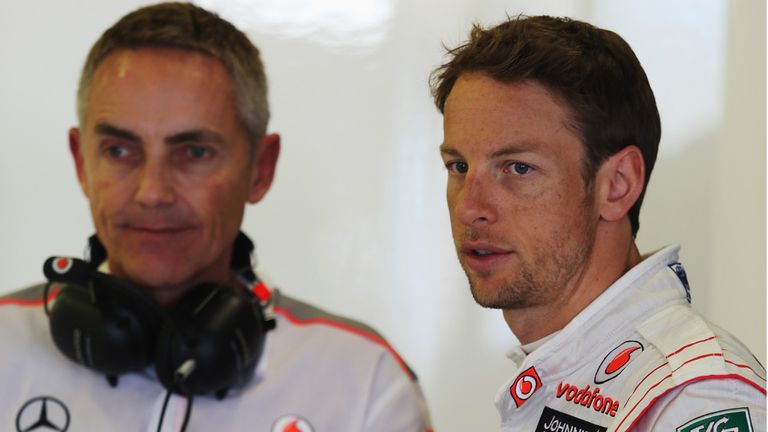
A downbeat Martin Whitmarsh admitted McLaren's tyre tactics during the final two stages of qualifying for the Australian GP hadn't paid off after his team qualified in tenth and 15th positions for Sunday morning's race.
McLaren had initially also switched de-facto team leader Jenson Button onto slick tyres in the closing stages of Q2, but the former World Champion's greater experience told when he made the call to immediately move back onto the intermediates, and once back on the wet rubber, the 33-year-old ultimately comfortably made it through to the final stage in fourth place. By the start of Q3 the track was now ready for dry tyres and Button was duly the first of the remaining runners take to the track on slicks. However, after he slumped from an initial provisional pole to the very bottom of the top ten, Whitmarsh admitted that they sent him out too early in relation to everyone else. "With Jenson then we decided to go for it on the dry tyre - the dry tyre was the right thing - but we put ourselves on the track and tried to get three laps, " he explained. "But unfortunately the track clearly got quicker, it was clearly quicker right at the end, but the tyre had grained so Jenson wasn't able to go and realise the potential of the track at that very last critical stage. "So decisions that were made in very difficult situations but didn't quite come off and made a challenging afternoon for us." The depressing nature of the weekend thus far for McLaren, winners of the final two grands prix of last season, has already served to crank up the pressure on the team which is bidding to end its wait for another World Championship this year. Asked by Ted if the fact they were struggling for pace in normal conditions in Melbourne meant they were taking more risks to try and combat that, Whitmarsh admitted they probably were, but stressed that the ultimately wrong calls in qualifying were knife-edge decisions. "I think inevitably if you're not as competitive as you want to be you take bigger risks, so I think that probably had some influence on it," he added. "But it's very difficult to know on a green, drying track if you get onto the option tyre how quickly you can get it turned on, because you can't always get it turned on on the first lap, sometimes you need two or three laps to get it fired up. In this particular case it would have been better to have been on your second lap, or even your first lap, at the dying phases of Q3. "You can see that now but at the time we took the decision and thought 'let's give it three laps', but unfortunately they were past their peak."