Tour de France: A review of the 2014 race
Matt Westby looks back on an incident-packed three weeks
Wednesday 30 July 2014 16:30, UK
The 101st Tour de France had it all. Scorching heat, driving rain, cobbles, crashes galore, enormous crowds and even yellow sheep animating what developed into one of the most compelling editions of cycling’s greatest race in years.
It ended with Vincenzo Nibali standing on the top step of the podium on the Champs-Elysees, but the three-week journey from Leeds to Paris was about much more than just the yellow jersey.
Here, we reflect on the 2014 race…
Yorkshire Grand Depart a resounding success
When bidding to host the start of the Tour de France in Yorkshire, Welcome to Yorkshire chief executive Gary Verity promised race director Christian Prudhomme the grandest Grand Depart in history of the race.
Given that millions of fans had taken to the streets of London to see the Tour on its previous visit to Britain, in 2007, it was a bold statement, but Verity, his team and the people of England, more than delivered.
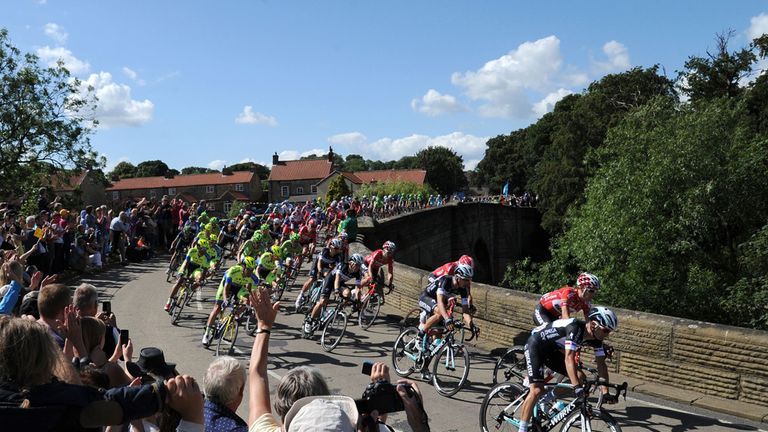
Estimates suggested that up to five million people lined the route of the opening two days of the race in Yorkshire, with hundreds of thousands more then greeting the peloton as they made their way from Cambridge to London on stage three.
Jens Voigt, one of the most experienced and respected riders in professional cycling, tweeted afterwards: “What a success was this England adventure for @letour and @letouryorkshire!! All of us loved every minute of it. Honoured that I was there. The pure amount of people on the roads and in the cities was just unheard of, this 3 days put bike racing into a whole new dimension.”
Key moments
Cavendish crashes out
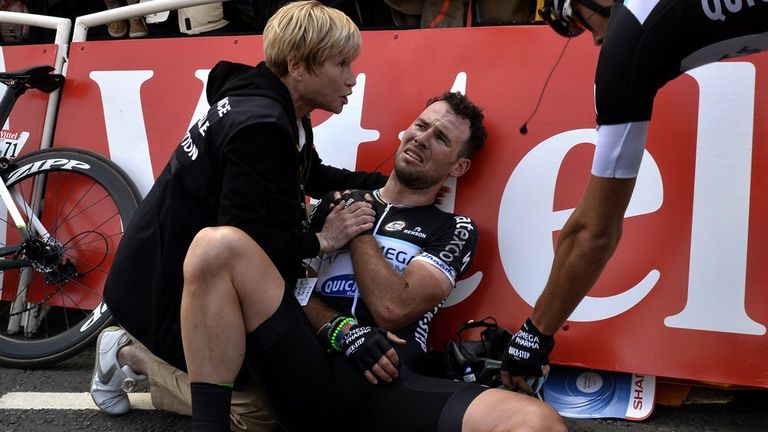
The race was littered with incident, and it didn’t take long for the first major story to break. Mark Cavendish had been hoping to win the opening stage into Harrogate – a town where he has close family ties – and claim the yellow jersey for the first time in his career, but his dreams turned into a nightmare when he crashed into Simon Gerrans and fell heavily on his shoulder. He was able to finish the stage, but quit the race the next morning with a severe tear of the ligament connecting his shoulder and collarbone.
Froome’s falls
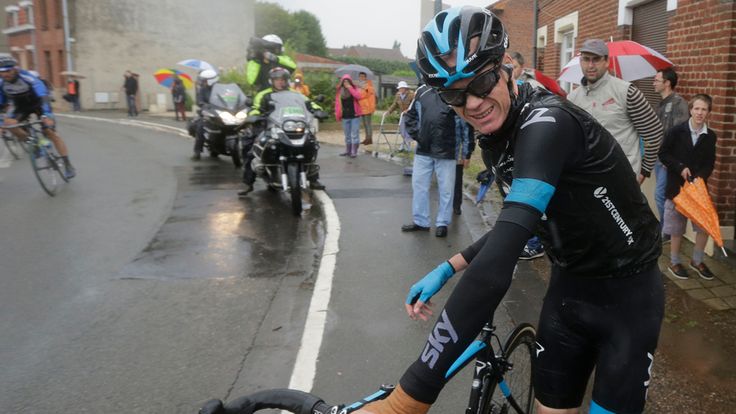
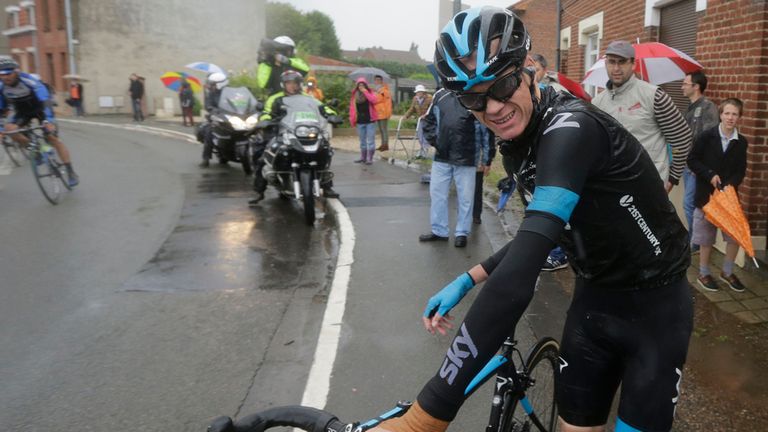
Stage four should have been an uneventful sprint stage, but instead, it turned into a disaster for defending champion Chris Froome. He crashed heavily when a rider veered across his path and clipped his front wheel, leaving him with widespread road rash but, more significantly, a badly-injured wrist. He managed to take to the start line of stage five, but with heavy rain turning the road surfaces into a skid pad and Froome struggling to handle his bike, he crashed twice more – his second and third falls in 24 hours – and was forced to quit the race mid-stage. Subsequent scans revealed he had fractured his left wrist and right hand.
Nibali flourishes on the cobbles
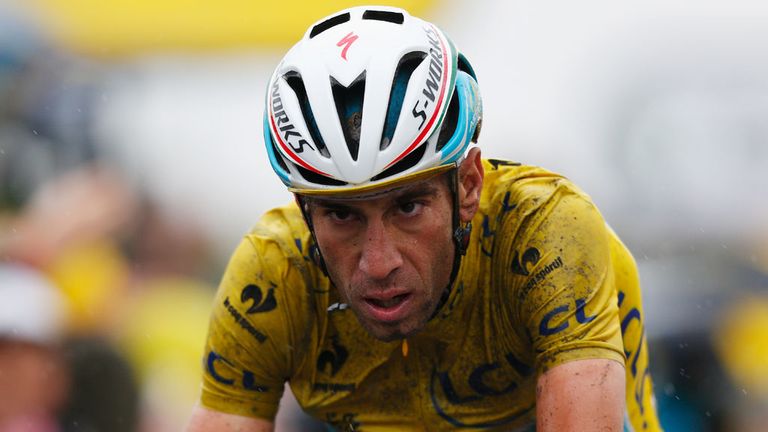
The fifth stage, from Ypres to Arenberg Porte du Hainaut, contained 13km of cobbles and had been highlighted as a day on which survival was the only priority for the favourites for overall victory. However, Nibali had other ideas. Shepherded by his brilliant Astana team-mates, particularly Jakob Fuglsang, the Italian danced over the pave and even dropped cobbled Classic experts such as Fabian Cancellara and Peter Sagan on the way to finishing third on the stage, more than two and a half minutes ahead of a far less comfortable Alberto Contador. It was, quite simply, a masterpiece.
<