Coronavirus: ECB chief executive Tom Harrison warns next six months fraught with danger
"We have tough times ahead, even though we've achieved a certain amount this year and managed to stave off disaster. But we're by no means through it"
Tuesday 6 October 2020 12:53, UK
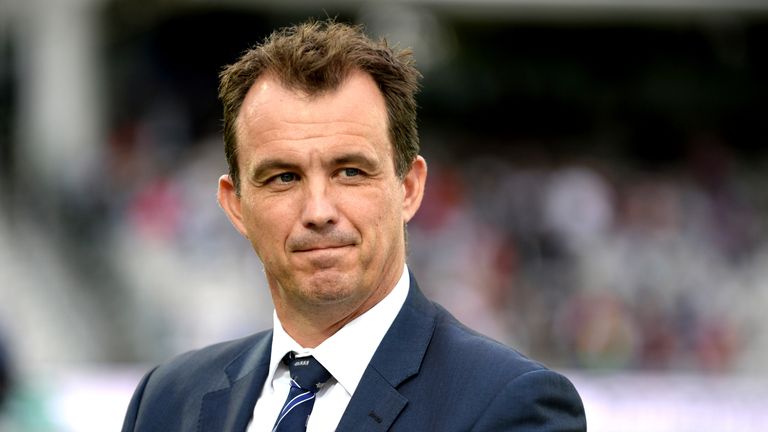
The next six months for cricket are "fraught with danger" and the game is facing the same tough challenges as other sports, according to England and Wales Cricket Board chief executive Tom Harrison.
The ECB managed to stage men's and women's internationals behind closed doors across the summer to rescue much-needed broadcast revenue, but the organisation faces further pressure from restrictions put in place due to the coronavirus pandemic.
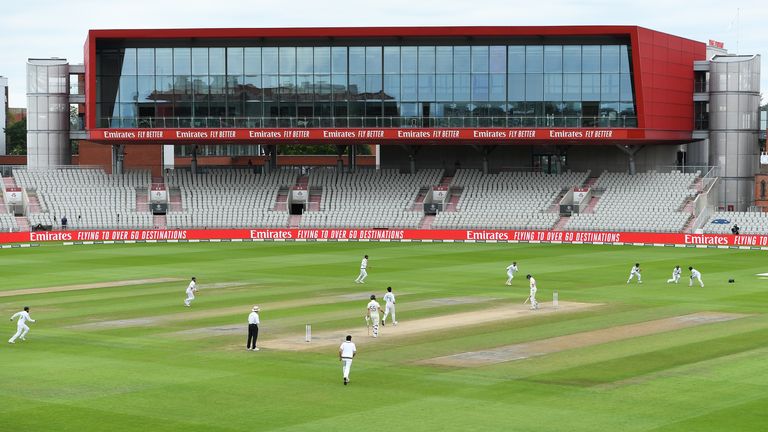
The Government has pressed pause on the return of spectators to sports venues, which had been due to take place from October 1 on a socially-distanced basis, leaving sports including cricket facing tough months ahead.
- ECB: Bio-secure bubbles 'not feasible' in 2021
- Atheton: Cricket has been a saviour this summer
- Broad: Test players must accept pay cut
Harrison, speaking at LeadersWeek.direct, said: "We're not anywhere near through this crisis yet. Other sports have highlighted that the next six months are fraught with danger.
"Cricket in this country is no different from that. We're facing a pretty bleak winter with the events and conferencing business all but shut down.
"We have tough times ahead, even though we've achieved a certain amount this year and managed to stave off disaster. But we're by no means through it."
Harrison spoke about the challenges of trying to get the international summer of cricket played, including bringing the West Indies over for the first Test series of the summer.
"Building the relationship with (the UK) Government was crucially important, and it enabled us to go to overseas governments and have the same conversation with them and build up that relationship as well," he said.
"In the West Indies' case, you're talking about eight separate governments from the Caribbean islands in a Covid-free environment back in May and June when we put these plans together.
"Our challenge was to convince players to come from a Covid-free environment to a country which was seen, at least in cricketing terms, as being in the eye of the storm.
"That's why the focus on safety was so acute."
There has been no confirmation yet regarding Government support for the sports sector beyond an assurance given to football's National League that it would receive the support it needed to kick off its season last weekend.
The Government has insisted that the Premier League should look to support English Football League clubs who in some cases are in grave financial danger due to the continued loss of matchday revenue. Talks between the leagues are ongoing.
A petition to allow spectators back into sports venues was approaching the 10,000 threshold necessary to warrant a Government response by Tuesday.