Opinion
British GP: Martin Brundle on 'immense' Silverstone 2026, Charles Leclerc's win and a Safety Car rule he'd change
Sky Sports F1's Martin Brundle provides the definitive final word on a breathless Silverstone weekend, assessing Kimi Antonelli's speed to win the Sprint, Charles Leclerc's turnaround to end his race victory drought, and offers his suggestions for a regulation he would like to see revised

Wednesday 8 July 2026 19:58, UK
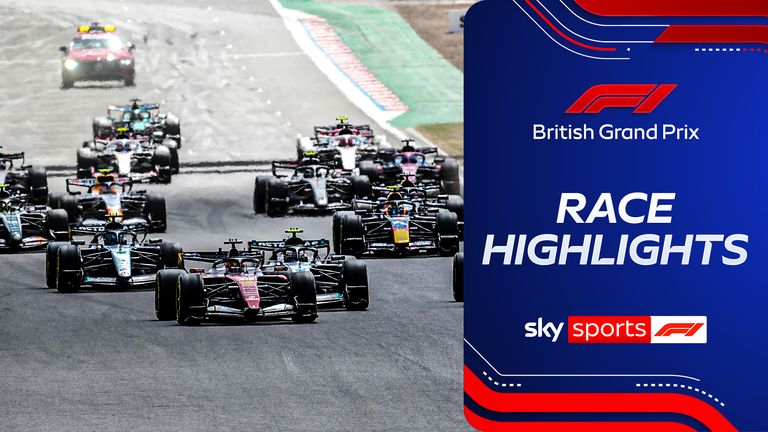
Silverstone's British Grand Prix 2026 was an immense event, and it could have been truly epic without a regulation which I have been complaining about for years.
There were officially 564,000 event spectators, and of course fans who were there all weekend were counted more than once, but there was an impressive 175,000 present on race day, and each and every one I met, or saw, were cheering and smiling. It was quite the festival.
Even the weather was great, which always pleases me as it silences my international friends in the paddock who enjoy mocking our green but often wet and chilly land.
- F1 2026 standings | F1 2026 Calendar | F1 Gossip Column
- Download the Sky Sports app for expert analysis, best video & more📱
- Not got Sky? Get Sky Sports or stream with no contract on NOW📺
Being a Sprint weekend, it was flat out all the way for everyone involved in F1, and totally relentless, but that really does energise every track session.
Teams and drivers know that a championship can be won or lost by a few points, such as last year, and so they all count even if the Sprint only offers a total of eight points.
'You've got to love the make-up of our current F1 grid'
The start of the Sprint was wild. With just 17 laps available, all the drivers were using overtaking boost and opportunities with relish. I remember the 80's turbo cars when it was so tempting and effective to use the readily available boost button on the steering wheel and then worrying about the fuel consumption deficit later.
'Don't use the overtake boost button' is a bit like saying 'don't think of a pink elephant'. You simply must.
Once all the side-by-side action settled down the drivers had to stabilise their batteries and electrical deployment for a few laps and drive with more control and purpose. Out front it became a two-horse race between Lewis Hamilton's Ferrari and Kimi Antonelli's Mercedes.
You've got to love the make-up of our current F1 grid, the teenager who took over the seven-time champ's Merc seat in wheel-to-wheel combat, 21 years between their ages.
Eventually Antonelli, who seems so good in the second half of any stint on a set of Pirelli tyres, had Hamilton on the ropes out of the Loop Turn 4, down the Wellington Straight and into Brooklands Turn 6.
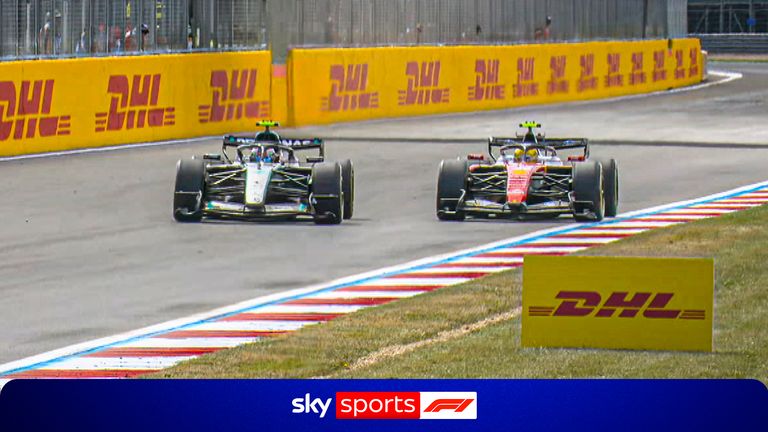
Lewis has used some battery to defend, Kimi maturely bided his time and used overtake mode and all the tools available to pass for the lead down the Hangar Straight. The resulting breeze past was so powerful with a 25mph advantage it was a bit painful to witness. It was Antonelli's first Sprint victory.
Lando Norris would put in a fine drive, on a weekend when McLaren were really struggling for pace, for the final Sprint podium slot. George Russell was fourth and, intriguingly, Charles Leclerc a distant fifth in the other Ferrari.
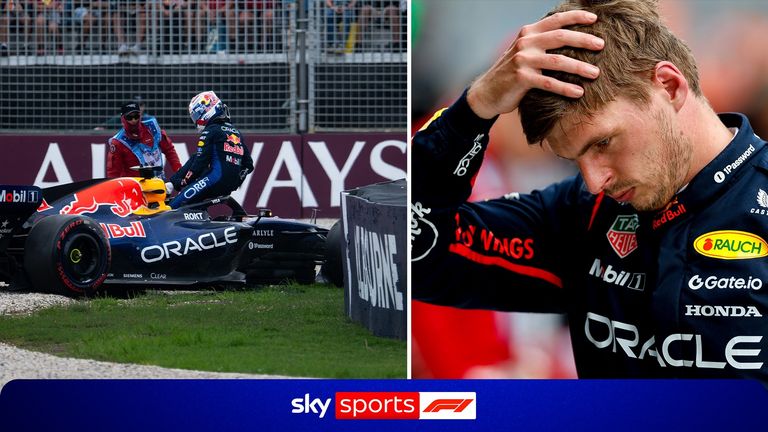
Max Verstappen seemed unhappy with his car's speed and handling pretty much all weekend but was able to extract a time when it mattered. Isack Hadjar often looked marginally faster in the other Red Bull and indeed would go on to outqualify Max for the main race.
The Racing Bulls lads, Liam Lawson and Arvid Lindblad, are having a great time as fifth-fastest team and bringing home the points.
Lawson would score in both races, and Lindblad scored on his British GP debut with a fine seventh place in Sunday's GP. Impressive all round for that team, now just one point behind Alpine in the Constructors' Championship, who also had two drivers, Pierre Gasly and Franco Colapinto, in the GP points in ninth and 10th.
Leclerc's turnaround and the lesson learned for Antonelli after 'heartbreak'
Leclerc had some kind of lightbulb moment after the Sprint in terms of car set-up and particularly driving style for these quirky 2026 cars. He would qualify his Ferrari on the front row of the grid for Sunday's main event, beaten only by the irrepressible Antonelli.
A great start for both Ferraris would put Leclerc in the lead followed by third-place starter Hamilton in the other Prancing Horse up to second. Antonelli sensibly slotted into third, he had a championship lead to protect and enough speed and confidence to make amends over the next 52 laps.
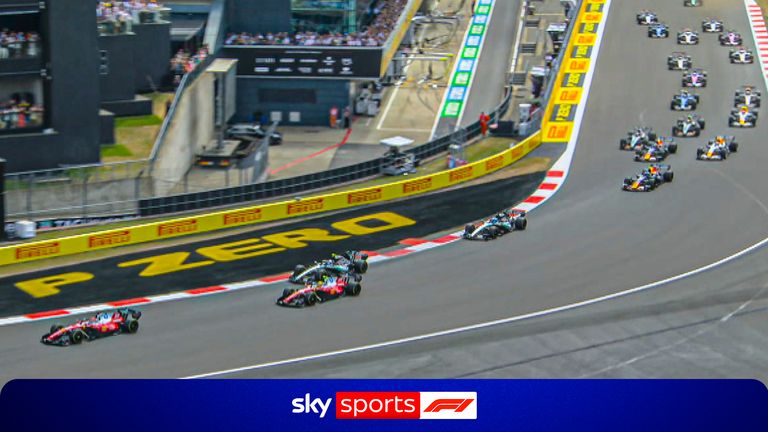
Leclerc was driving beautifully out front, Hamilton less happy with his Ferrari race car on full fuel tanks and longer runs. Antonelli would once again eventually hunt him down and pass, but the gap to Leclerc out front would then only marginally reduce each lap.
Ferrari pitted Hamilton on lap 23 for new hard compound tyres, and Mercedes pitted Russell on the same lap. Leclerc would pit from the lead on lap 25, but critically Antonelli could carry decent speed until Mercedes pitted him a full 10 laps later giving him a very significant tyre advantage over Leclerc.
To put that in perspective, Verstappen and Norris would make their second tyre stops just three laps later. Antonelli was catching Leclerc hand over fist, and it seemed inevitable he would win the race, until he radioed in and then slowed on lap 41 with steering issues.
Part of his aero bodywork around the left-front wheel had failed on the serrated kerb on the outside of the high-speed Copse corner.
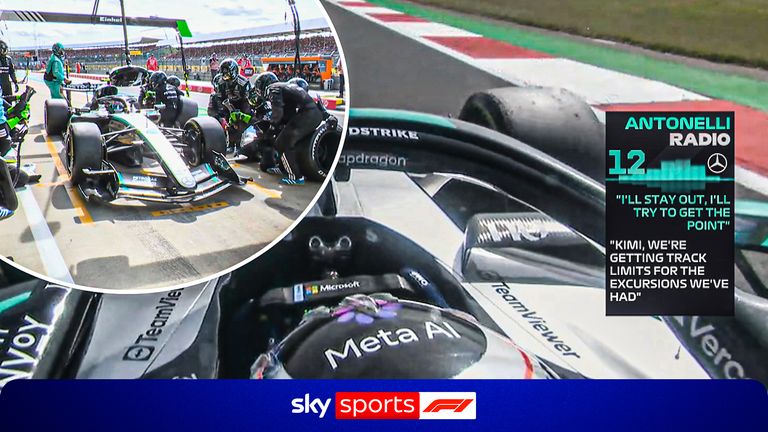
It was heartbreaking for him, but another lesson learned as he did not give clear enough information on his way into the pits about his problems. The team changed the easy and fast parts with a new nose and front wing, and fresh tyres, and sent him out, but the offending bodywork was still blocking his steering and he had to pit again two laps later.
Kimi persevered and, still in 10th place with a potentially critical one point in his pocket, he found remarkable pace again and carried on.
But with his issues he had been off the track five times and was given a five-second penalty for 'track limits'. That rule needs adjusting, track limit penalties are for when drivers gain a competitive advantage by cutting corners or running wide and so able to carry more speed. They should not be applied when you're surviving a mechanical issue or getting out of the way.
Nonetheless his pace was such that he would have cycled through the penalty and still finished ahead of the two Alpines, until lap 48 when Verstappen's rear wing didn't close properly to re-establish full downforce and, for the second time in eight days, albeit apparently for slightly different reasons, spun him off the track.
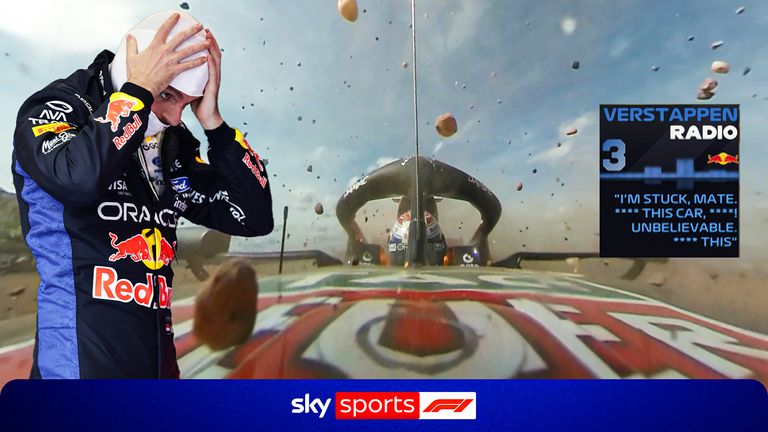
He was a long way into the gravel at the fast Stowe corner, having driven a great race in chasing down Hamilton's second-placed Ferrari, and a full safety car was understandably called.
Ferrari pitted Leclerc and Hamilton to give them a reasonably fresh set of soft compound tyres for the restart…
Russell had cruelly attracted a slow puncture after a feisty drive and had to make an unscheduled stop on lap 34. At that point it felt once again that if George didn't have bad luck this season, he'd have no luck at all, but that was relatively short-lived as Mercedes chose not to pit in at the safety car and he ended up with track position ahead of Hamilton and would finish in an astonishing second place given Verstappen was also now out of the race.
That's because the race never restarted, with some of the crowd rightly booing.
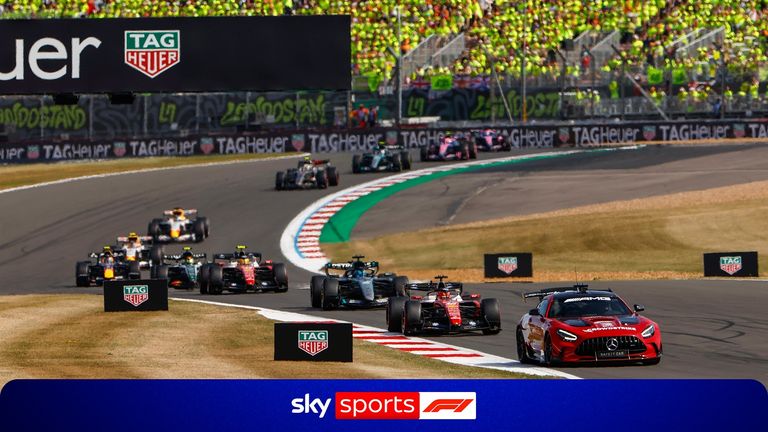
The 'potential fixes' for Safety Car rules
Given the current cars' enormous power with no regard for needing to have any battery left after the chequered flag, and cool tyres after the safety car period and a bunched-up pack, we were heading for an epic one-lap shoot-out.
It didn't happen. Providing it's considered safe, which on a dry sunny day with no people, debris, or stranded cars around the track it understandably was, the Race Director can allow eligible lapped cars to pass the leading pack and head off at faster but safe speed.
I believe this was inaugurated to ensure backmarkers didn't get involved and affect the result at the front of the race, and as a perceived benefit from time-to-time drivers were brought back into full contention later in the race. But the system is guaranteed to unduly prolong the safety car period, especially on long circuits like Silverstone and Spa.
I used to have robust conversations with the very sadly departed Charlie Whiting about this, because it makes no sense especially as the rules state that the safety car will recover to the pits on the lap following allowing lapped runners through. Abu Dhabi 2021 anybody?
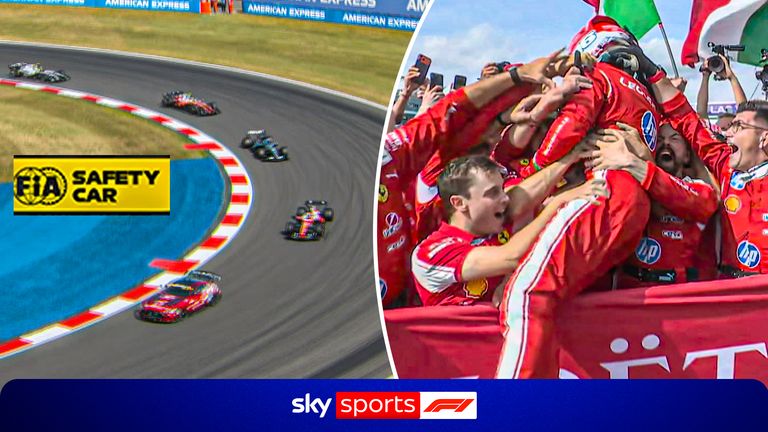
On this occasion it transpires we were into lap 51 when the announcement was declared regarding lapped runners, and despite a massive tease that the safety car would indeed pit at the end of that lap which turned out to be an error, the race would finish at a relative snail's pace under safety car conditions.
There are potential fixes. In IndyCar for example, if it's within the last 10 laps, instead of a wave-by the lapped cars are made to peel off into the pit lane and rejoin at the back of the field. Or we could simply have the lapped runners simply drop behind the pack.
Or throw a red flag and have a standing restart in race order, although this takes a while. Instead, we prioritise runners who haven't been good enough, for whatever reason, on the day, instead of the leaders and most importantly the fans.
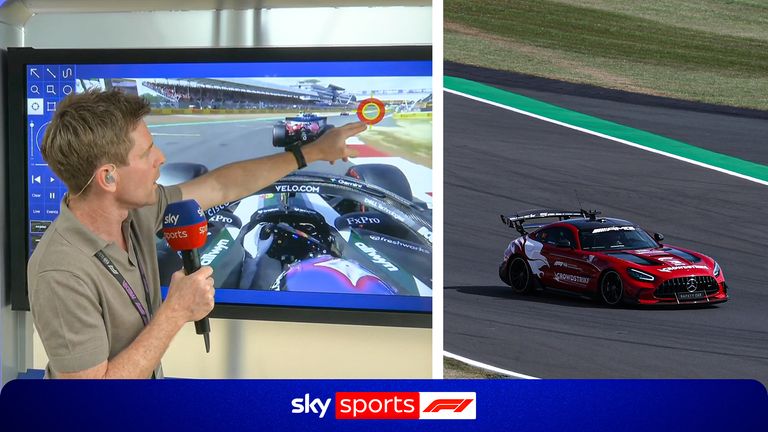
One caveat is, in true F1 style, defining exactly who a lapped runner is given the regulation states that it depends if they 'were lapped at the time they crossed the Line at the end of the lap during which they crossed the first safety car line for the second time after the Safety Car was deployed'.
This caught Williams and Carlos Sainz out, not least due to the pitlane geography at Silverstone where you miss out three track corners, and he was penalised by a lap after the race. We do make it hard to understand.
The 'new precedent' in Hamilton's post-race investigation
Hamilton had a yellow flag infringement hanging over him post-race and he seemed certain he would receive a penalty, which given the whole remaining pack was lined up behind the safety car would have taken him out of the points.
He received a reprimand instead because it was clear on review that he was well into the brief yellow zone before he could have possibly detected it or the yellow flag. Seeing a green light panel encourages you to get on with it but also tells you that you've must have just passed a yellow warning, however brief, and hence the reprimand.
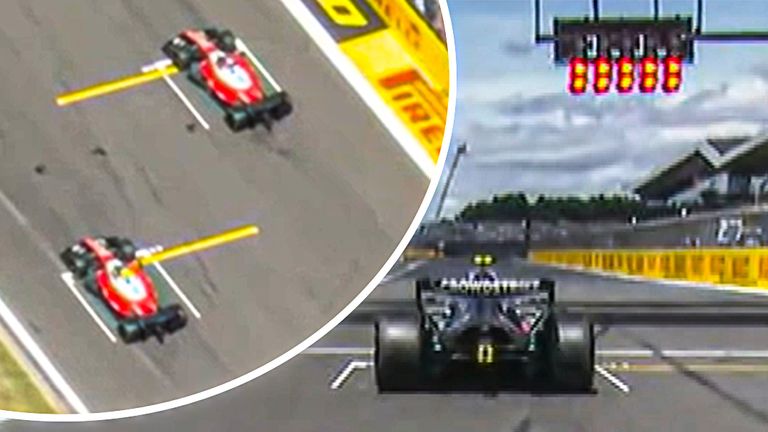
Interestingly, and with a new precedent, given Verstappen was trying to re-overtake him, it was recognised that Hamilton was focused on one of those multiple power attacks we have in 2026, and so compromised in seeing the yellow zone or brief yellow light on his steering wheel.
A rejuvenated and relieved Leclerc won his first GP since Austin 2024, for Ferrari's 250th Grand Prix victory at the same venue as their first win back in 1951.
Russell's good fortune recovered him to second place and now just 25 points behind championship leader Antonelli, and Hamilton survived a five-second jump start penalty and the yellow flag saga for a fine third and his 16th British GP podium.
Norris would finish a solid if unspectacular fourth in front of his adoring 16,000 fans seated at the legendary Stowe corner.
And breathe. It's spectacular Spa in just under two weeks.
Formula 1's summer run continues with the Belgian Grand Prix at legendary Spa-Francorchamps on July 17-19, live on Sky Sports F1. Stream Sky Sports with NOW - no contract, cancel anytime