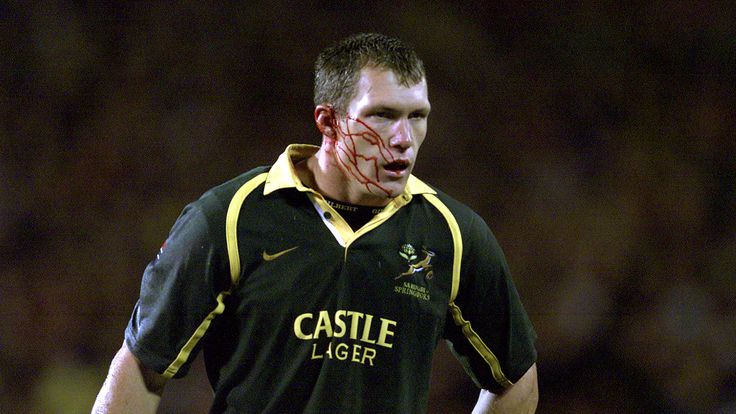
Former Springbok Andre Snyman on his role in growing rugby in America
Thursday 8 October 2015 13:03, UK
As USA prepare to take on the Springboks, former Springbok Andre Snyman talks to Sky Sports about the growth of rugby in America.
Andre Snyman played 38 Tests for the Springboks in a career blighted by injury, playing his last against Scotland in 2006. A testament to the tough mentality of the midfielder, his debut came as a 22-year-old against a touring All Blacks side containing Christian Cullen, Sean Fitzpatrick and Zinzan Brooke.
After retiring Snyman left South Africa to take up a position with the Glendale Raptors in Colorado, and after spending time there as a 7s coach, technical advisor and backline coach, the Tri-Nations winner is now the head coach of the side.
Arriving in America where rugby was not revered as much as it is in his country of birth was an adjustment for the former Super Rugby star.
"I wouldn't say it's an eye-opener but it's certainly different," Snyman told Sky Sports.
"It's the fastest growing team sport in America, but the sad thing is it's still amateur.
"When you're born in South Africa, instead of getting a pacifier you're given a mouth guard, but in America it's not like that."
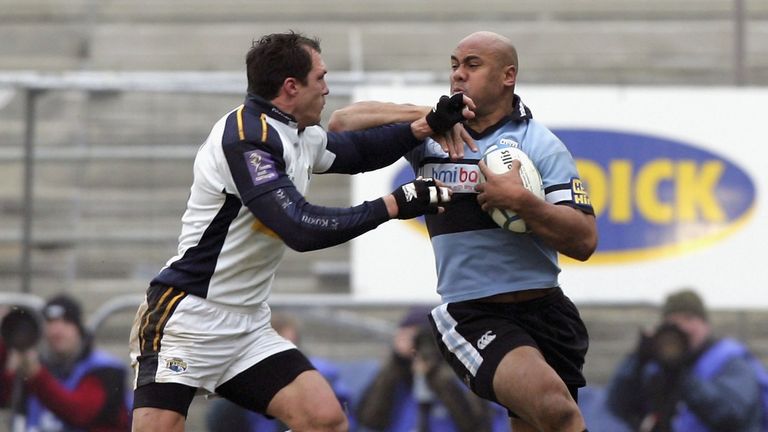
The Natal Sharks man explained that people who play the game at the top level in America do so at their own cost.
"It's all for love. There's no financial rewards for them in the game.
"They have to pay their own travel and they've got to pay for their own accommodation. It costs a rugby player at the top in the region of $2,000 to $2,500 a year to play the game.
"We are very fortunate in that the Glendale Raptors are owned by the city, so the city subsidises some of the costs, but we have to do community service in return.
"We do a lot of hospital visits, hanging posters, and help the city clean the streets. So we do a lot of community hours to try and give back to the city and community.
"But all the other clubs rely purely on fundraising or the network of old boys who donate money."
Process
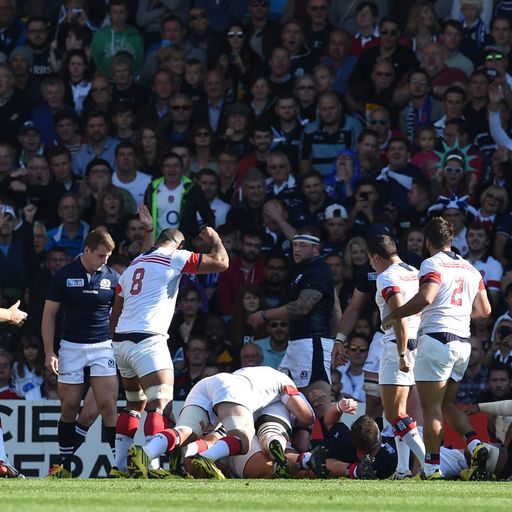
The US take on the Springboks on Wednesday evening in the World Cup, in what will be a heavy test for the Eagles who are behind the Boks in terms of rugby evolution. Two of Snyman's charges will take the field against the Boks at the Olympic Stadium.
According to the veteran, growth in the game in the US is evident, but the process of making it a major sport in America will take time.
"It's tough to try and grow a sport if there's no funding and there's no money coming in from sponsors. You're relying on fundraising, donations from parents, golf days, that sort of thing.
"Most of the guys that play for the Raptors are students, or work either full time or part-time. So they will work until 5pm then come to training.
"The other thing is we only train on Tuesdays and Thursdays. We only train for four hours a week, in comparison with professional clubs who train every day - in the morning and afternoon. So you're looking at four hours a week compared to 15 hours a week.
"That's why US players will always be a few steps behind, because of the lack of training and coaching they get. Until we get to a point where American players are being coached every day, it will be a long process of change for rugby in the country.
"For me, the big thing with rugby in America is education. A lot of the people are not educated about rugby, they don't know that it's a safe game.
"In reality it's safer than American football because we teach the kids to use their shoulder to tackle rather than the head."
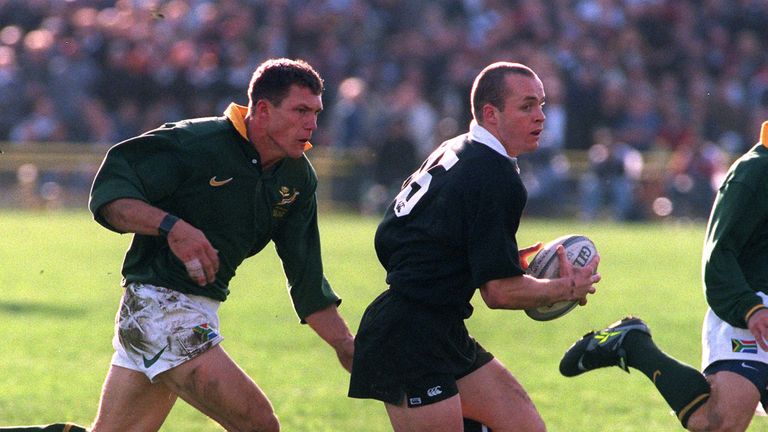
The hard-running midfielder, who made his name in the ranks of Northern Transvaal as it was then known, is working hard to introduce his beloved sport to a new wave of young athletes.
"We have about 200 to 250 kids in our programme, but it's not a 12-month programme, it's a summer programme or a spring programme.
"We have these youth clubs that run for six weeks and we really try hard to keep the kids interested in rugby from the ages of about five to 13 so we can get them hooked on rugby before they go to other sports, because as soon as they go to another sport we lose them.
"The big thing that counts in our favour is that in rugby, every child can run with the ball and can score a try, whereas in American football it doesn't happen like that.
"Once we explain that to the children and the parents they get on board. The parents love the fact that regardless of body shape their child can catch and pass the ball as well as score, which makes it interesting for them."
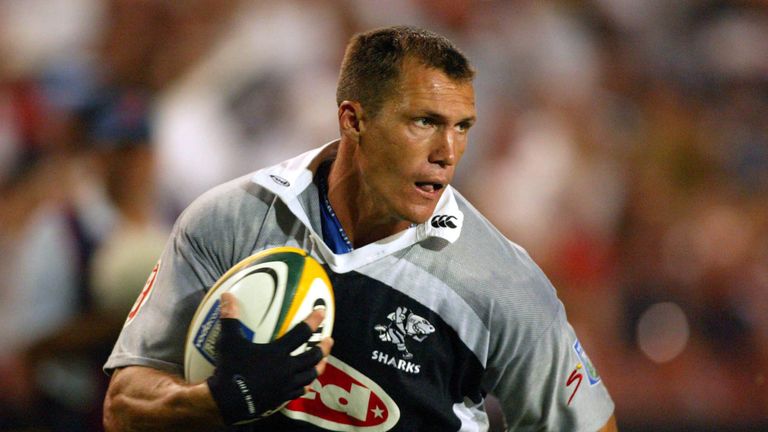
Rewarding
The 7s team is seen as the optimum gateway for rugby to grow in America, with the short passages of play and expansive runs a draw for the casual fan.
For Snyman and the Glendale team, rather than waiting for fans to take notice of rugby, work needs to be done on the ground to ensure that rugby is a part of the lives of the younger generation from an early age.
"It's not taking off on school level yet, but there are some high schools that play the game.
"We visit schools and offer our players to teach rugby during physical education lessons. We do basic skills with the kids; catch and pass relays, four corners and flag rugby.
"Rugby is getting there, but it's up against baseball, basketball, lacrosse and football, which are all American sports.
"It's a constant struggle with other sports because most of the kids want to play a sport that could possibly offer them a scholarship and rugby isn't one of them. The parents are pushing their kids in the direction of those sports up until about the age of 16.
"If they don't win a scholarship through other sports then they give rugby a go, so most of the kids we only get at the age of about 16 or 17, and by then they have all the bad habits from football in the way they defend and the way they run.
"So you get someone in their late teens, and you have to coach them as though they're six years old.
"On the flip side of that, as a coach it's incredibly rewarding to see a child change from being a football player to a rugby player; watching the skills develop and watching the knowledge develop.
"You can see a change and it's very rewarding."