
Nick Mallett: Southern hemisphere coaches inspiring northern nations' revival
Friday 27 January 2017 13:05, UK

The magical coaching touch of Australia's Eddie Jones and New Zealanders Joe Schmidt and Vern Cotter is helping northern hemisphere rugby close the gap on its southern rivals.
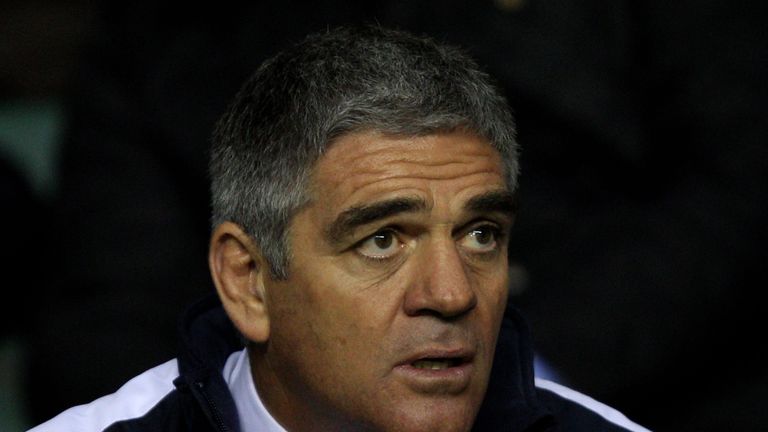
That's the view of former South Africa and Italy coach Nick Mallett, who led the Springboks to a then record 17-match winning streak in 1997-98.
The 60-year-old said results last year showed the nadir had been reached at the 2015 World Cup when all four semi-finalists were southern hemisphere sides.

It all makes for a mouthwatering Six Nations which Mallett believes has overtaken the Rugby Championship as the premier international competition between World Cups.
"The gap is narrowing globally," he said. "There was a lot of introspection after the 2015 World Cup semi-finals along the lines of 'are we that bad?'

"Quite clearly they're not because last year the northern hemisphere took a big step up with England beating the Australians 3-0 Down Under and Ireland ended the All Blacks' record-breaking streak.
"If there was a World Cup semi-final now it would be difficult not to see England and New Zealand in one and, in the other, Ireland and France, maybe not Australia."

Mallett, who guided South Africa to the 1999 World Cup semi-finals but stepped down a year later, said northern hemisphere players always had talent - they just needed assurances they were good enough.
England, Ireland and Scotland have all rediscovered their verve under Jones, Schmidt and Cotter respectively.
If there was a World Cup semi-final now it would be difficult not to see England and New Zealand in one and, in the other, Ireland and France, maybe not Australia.
"There have been useful additions to the playing rosters like WP Nel and CJ Stander (both South Africans who play for Scotland and Ireland respectively) which have filled gaps in some positions where the teams are short," said Mallett.
"However, more important than that is the arrival of southern hemisphere coaches, not so much South African ones.
"Those influences have been absolutely vital in progressing the teams. They have always had the talent but self-belief is something the southern hemisphere coaches are good at instilling and they have shored it up by telling the players they are good enough.
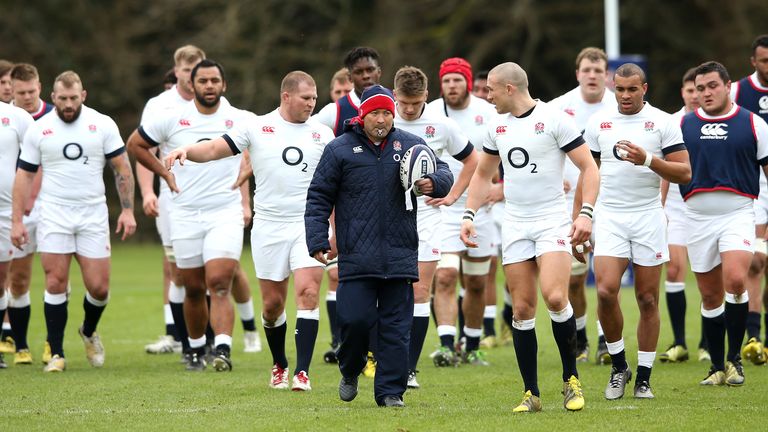
"Then of course southern hemisphere rugby is all about a very attacking style, especially the New Zealand game, so just adding that on to an already very good set piece and solid defence brings in good variation."
Unpredictable Six Nations
Mallett said the Six Nations had become the best regional competition because New Zealand had made the Rugby Championship a predictable affair.

"New Zealand got a bonus point in every game of last year's championship," said Mallett, who was speaking as part of the Accenture Analysis Unit.
"They're too powerful and no competition is good when everyone knows who the winner is going to be.
"The Six Nations has a lot more uncertainty about it because there are several teams who can win it."
Mallett sees this year's Six Nations as coming down to a potential winner-takes-all Grand Slam decider when Ireland host England in the final round.
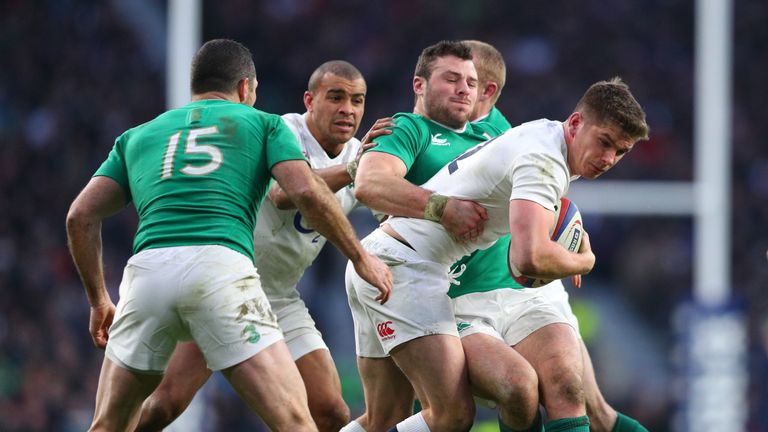
"I can see England getting there but it is trickier for Ireland," he said.
"If they lose two key players to injury they will find it much harder to replace than England who have the benefit of strength in depth.
"If Ireland get the four wins then they can beat England because for the English to win a Grand Slam decider in Ireland is really tough.
"I'd see Ireland taking it but they have to get there first and starting off with a game against Scotland in Edinburgh is not ideal.
"Vern Cotter has a very focused side and with Glasgow destroying Leicester there's a strong feel good factor."