
On the anniversary of the 2015 World Cup final, we look at the tournament's impact
Monday 31 October 2016 21:38, UK
It's been a year since Richie McCaw lifted the World Cup at Twickenham and England began an inquest into their worst performance since the competition began.
Failure often leads to change and the RFU were quick to act, removing Stuart Lancaster as head coach and replacing him with Eddie Jones.
That decision has led to a nine-game winning streak including a Grand Slam and a whitewash of Australia. One year on Sky Sports News HQ is asking what impact hosting the World Cup has had on the amateur game?
The RFU's bean counters have been kept busy totting up the record turnover of £407.1m, almost double the amount made before the tournament, and while the game's governing body has introduced a number of schemes aimed at getting players, young and old, involved only £34.1m was spent on developing the sport, an increase of £1.6m.
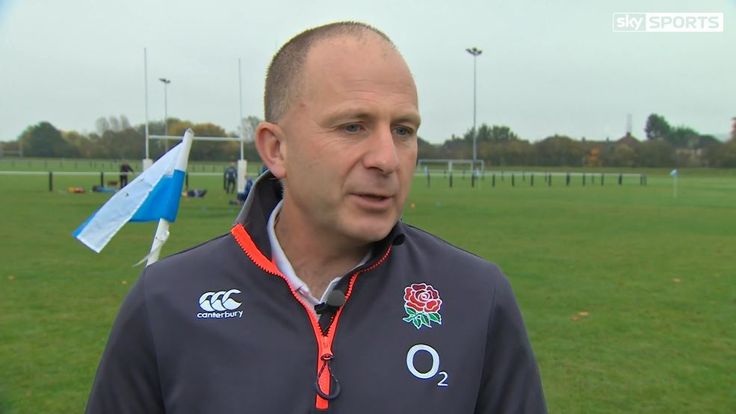
RFU Development Director Steve Grainger says there has only been a small increase in the financial support given this year because they invested before the World Cup began.
"We announced a three-year strategy in the lead up to the World Cup where we invested £15m of the money we hoped we would make into club facilities that benefited from improvements to changing rooms, social spaces, floodlights and pitch improvements," he said.
There have been successes most notably in the Return to Rugby campaign that has seen 4,000 people who had stopped playing put their boots back on.
Live International Rugby Union


There were 190 new men's teams launched across the country at the start of the season and the RFU's aim is to boost that to 5,000 by May.
The feel-good factor extends to the women's game too, with 26,000 playing contact rugby and the England team has been branded the Red Roses in the process.
The main challenge begins now as the excitement from the World Cup fades and the focus shifts to retaining these new fans.
The latest figures from Sport England show that people getting involved once a week has actually dropped since the tournament ended, from 227,600 to 225,000. There is still a positive trend in those that play once a month but how can the RFU keep them engaged?

"The basics in Rugby, good facilities and most importantly good coaching and motivation are key," said Grainger.
"Rugby is a game that helps massively with life skills. We are very proud of our core values and one of our biggest challenges is making sure we transition players from the age grade game into the adult game so that in 10 years' time the kids now are playing senior rugby."
The RFU point out that legacy cannot be measured over 12 months. Right now, 12th placed rugby union is still behind tennis, horse riding and lawn bowls and, as yet, hasn't matched the levels of participation seen after reaching the World Cup final in 2007 - proof that a successful England team is an important part of increasing interest in the grassroots game.