
Nolli Waterman column: Unions must seek solution to vicious 'code swapping' cycle
Waterman says unions need to make greater efforts to support female performance pathways

Wednesday 20 March 2019 13:26, UK
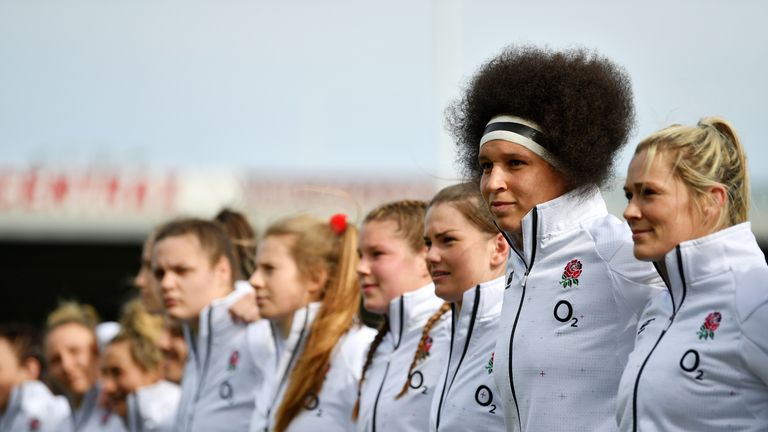
Nolli Waterman reflects on the culmination of the Women's Six Nations campaign and the planning needed to ensure a clear pathway to 15s rugby.
When it rains, it pours.
I'm not referring to the effects of 'roof-gate' in Cardiff at the weekend but more to the fact that we finally had a weekend of gripping rugby and tries galore.
Two Grand Slam victories, the most bonkers two halves of rugby I've witnessed and an unfamiliar slaying of the French.
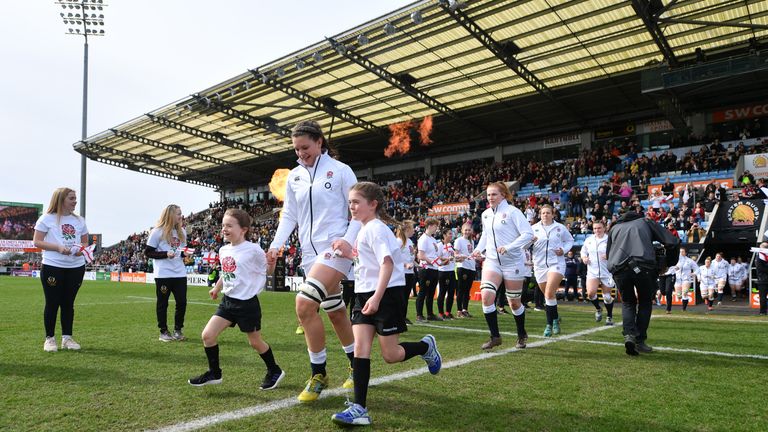
The build-up to the final game under the Welsh skies created brilliant debate and uncertainty, as even the most experienced of pundits found it difficult to call who would take the win.
In stark contrast, the Red Roses finished their Six Nations campaign raining down on Scotland with an 80-0 thumping. Unfortunately all too predictable.
"Decisions have been made that has meant the Six Nations hasn't been the 'be all and end all' for all countries playing in this iconic championship."
From the outside looking in, it is clear there is quite a disparity between the teams on the women's side of the game. However, the measure of success is different for each nation, when they fundamentally appear to be at different stages in their varying strategic plans. I am assuming they do have plans.
But more needs to be done.
Two years from a World Cup and with Olympic qualification looming, decisions have been made that has meant the Six Nations hasn't been the 'be all and end all' for all countries playing in this iconic championship. For the first time in a long time, this has not included England and it has shown in their performance.
The Red Roses, Grand Slam Champions 2019, ended a very successful campaign with a tally of 45 tries and 278 points scored. It's safe to say, they smashed it, quite literally.
Sarah Bern continued her ridiculously good form and I think earned the loudest cheers of the night every time she got her hands on the ball. Emily Scarratt showed the real beauty of simple, well-executed rugby.
Her running, kicking and passing being on point and earning her Player of the Match. Jess Breach calmly collected a wet and slippery ball to cross the line for another two tries building her championship tally to an almighty nine. The list could go on.
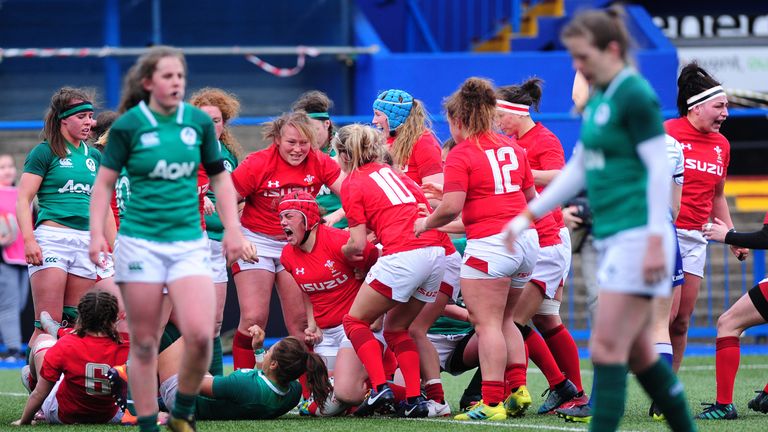
The Welsh women produced one of their best performances against a disheartened and under-performing Irish side and, showcased some real grit in the second half in not allowing Ireland to cross their line.
Italy pulled out an absolute cracker beating the reigning champions France 31-12, who seemed a mere shadow of their usual selves. Getting both the win and a try bonus point shunted the Italians back up to second in the table. Unthinkable at the start of the tournament with France and England being seen as two of the biggest forces in World Rugby.
However, this is where the 'but' comes in.
Both France and Ireland have invested heavily in their Sevens squads and as a consequence world-class players have been unavailable for selection in the 15s team. A strange decision some may say, but one that I back. For these two nations, Sevens is seen as a pathway to real success, with both having high hopes of qualifying for Tokyo 2020. A huge opportunity!
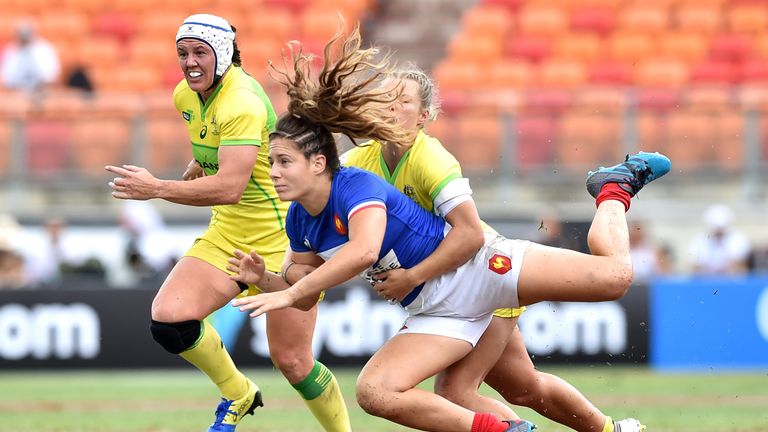
This decision has definitely been to the detriment of their respective 15s sides but this is not something new to the women's game. In September 2014 after our World Cup win, around 16 of the best 15s players in England became professional Sevens players. I was one of them.
Leaving the traditional form of the game to help prepare for Rio was an exciting opportunity for us all. But, this decision destroyed the chances of the world champions continuing their success into the following Six Nations Championship. England came 4th, their worst ever positioning.
The RFU were challenged over and over for this decision, but it fundamentally came down to the amount of funding and support they were willing to provide for the female game.
There was never enough to run two separate programmes, so they would choose their 'priority' for that season and shifted players accordingly. The lack of funding meant there hadn't been a pathway in place to develop separate Sevens talent and the 15s club game was not at a standard that could provide the depth of experienced players needed to support the void created when players left.
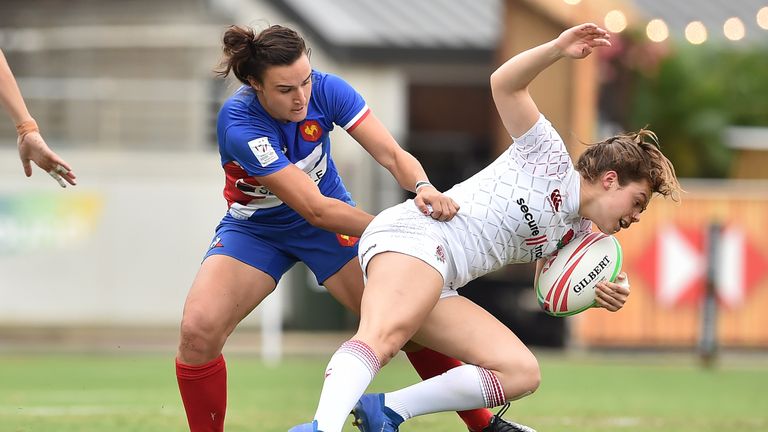
So how have things changed? We now have a financially supported club league that is developing more players and more competition in every position at senior level. Players have the choice of a professional contract in either code and support is being given to a youth programme through U18 Centres of Excellence at each Tyrrell's Premier 15s Club.
This isn't something that happens overnight; all of the other unions need to look at a longer-term solution to what is currently a vicious 'code swapping' cycle that doesn't seem to be helping anyone.
With the introduction of more legs on the World Sevens Series, players will not be able to participate in both codes and therefore planning must take place to ensure there is a funnel of players being supported through the 15s pathway.
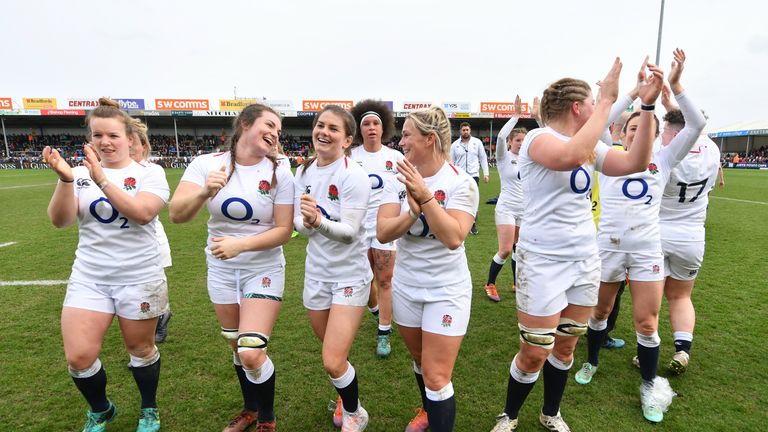
I believe unions need to make a conscious decision to support their female performance pathways. And I mean properly support them. Not with exorbitant amounts of money, but with a strategy that allows the sharing of resources from their men's programmes and across both codes.
They need to address issues with the club set up and ensure a strong competition programme to not only unearth new talent but support the development of current players.
I am under no illusion that this would take a lot of time, effort and thought. However, I feel that it is something that will provide a shift in enlarging the pool of talented individuals in the sport and as such should lead to improved standards and potential success.
Success attracts more spectators and commercial interest and with that comes more funding. This, in turn, will help propel the game forward, rather than it being stuck at a set of lights that never seem to go green.