How injury carries mental trauma: Psychological rehab key for recovery
Why psychological rehab is often just as important as physical rehab...
Thursday 11 August 2022 09:39, UK

As part of Mental Health Awareness Week, Sky Sports speaks with mental health in football expert and ex-pro Kevin George about the trauma of injury.
George, author of Soccology, explains how the hidden mental traumas of injury often go undetected in football, and how psychological rehab is often just as important as physical rehab...
Soccology was created by former professional footballer and psychotherapist Kevin George - buy the book from Amazon here - or find out more about the Soccology eSchool here
Hosted by the Mental Health Foundation, Mental Health Awareness Week takes place from May 18-24 2020. Find out more here.
If you are affected by issues related to mental wellbeing or want to talk, please contact the Samaritans on the free helpline 116 123, or visit the website.
Neglected trauma from Injury

"It's in his head! His legs have gone." These are phrases commonly used for players injured who didn't feel ready to return to training or struggled to perform to the standards achieved pre-injury.
We separate the physical from the mental, when in fact, they are connected. Injuries to players cause emotional problems. This is because of the pain, what the injury does to their career, the conversations around the injury and the disturbance to the relationship with their body.
Physical rehab with psychological rehab

Trauma is the response to a deeply distressing or disturbing event. When a player twists a joint, tears a ligament or breaks a bone, they experience trauma.
The player, with the help of the club, physically rehabilitates their body, going through a process of natural recovery, strengthening and stress tests.
Physically, the body gets rehab. This is achieved by focusing on the area of trauma, relying on the body's natural capabilities to rebuild itself, whilst going through the pain of strengthening, mobilising and future pacing. That's the same process I take clients through after they have experienced traumatic events in their personal lives. Whether it be our emotions or a bone, muscle or ligament, being robust, resilient and able to sustain the level in different circumstances is the goal for rehab, whether it be led by a physiotherapist (body) or a psychotherapist (mind).
But emotionally, players can house trauma from an injury they have not dealt with. Their whole life becomes an anchor for the trauma.
Their schedule changes from a team timetable to an individual timetable. With no time to adjust, physically their environment creates a feeling of loneliness.
Their interactions with others change, as teammates, friends and the press refer to them as their injury. The very thing that separates them from others is their trauma, which creates further isolation.
This is trauma with plenty of time to think whilst feeling alone, distorting reality negatively by a great amount. It is the birthplace for depression.
Players not trusting their bodies
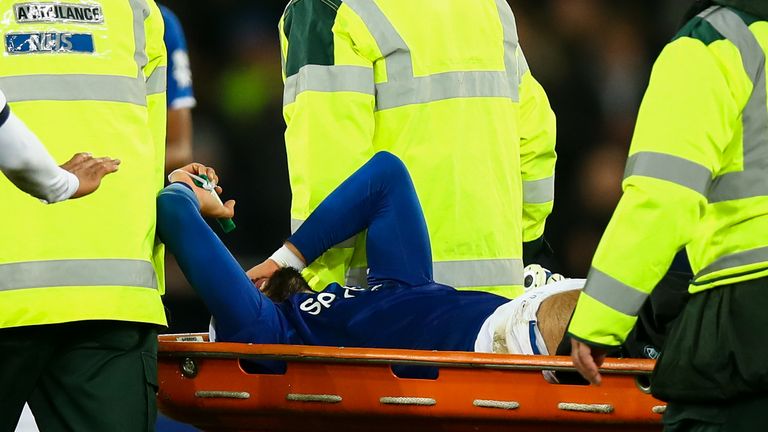
Full physical fitness and half emotional fitness is the culture.
When I spoke to Danny Guthrie for Soccology, he said: "With every stride and every strike came a wince. I had to seek help from a professional outside football to help me trust my body again."
Not only could I relate, but I began to understand the experience better and realised it was something all players go through at varying levels.
Even when a player makes a full recovery physically, their anxiety levels are extremely high. For example, in my experience of recovering from a crunching tackle from Glen Johnson that tore my medial ligament, when I resumed training with the team, it took me a week to not worry about sprinting or changing direction.
Players not only lose trust in their body, they become extremely anxious. Imagine being with a spouse you didn't trust, who made you feel anxious, yet you couldn't leave.
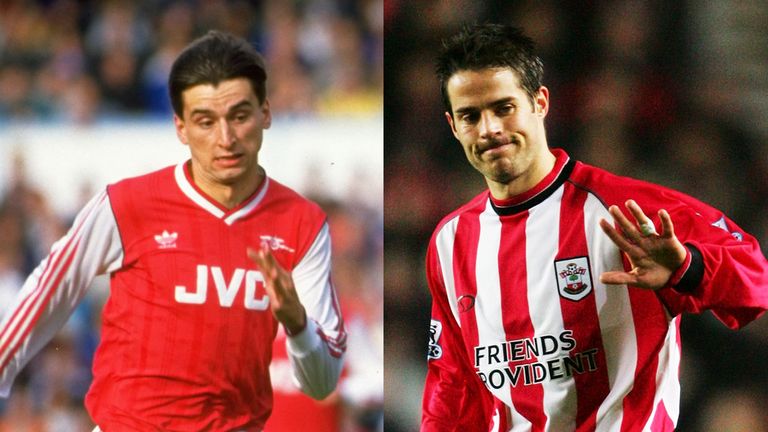
Both consciously and unconsciously, players often change their style of play to avoid making themselves vulnerable, or what they perceive to be vulnerable. In this case, it is adapting to avoid or limit the chances of them needing to do the action that got them injured.
Michael Owen has spoken publicly about his fear of pulling his hamstring, and this fear led to him changing his playing style and feeling so "petrified" that he couldn't wait to retire. He, like thousands of players, was going through this, yet he said nothing and carried on.
Trauma appears and affects us in different ways. Philippe Coutinho's anxiety and stress reportedly led to a back injury. Anthony Gardner felt overwhelmed by the pressure to make a speedy recovery from injury, which manifested in dangerous pleasure-seeking behaviours that put career and marriage at risk. Fabian Delph's self-esteem fell when he was injured, with people questioning if he would return and how he would return, leading him to question himself.
How can you improve mental trauma from injury?
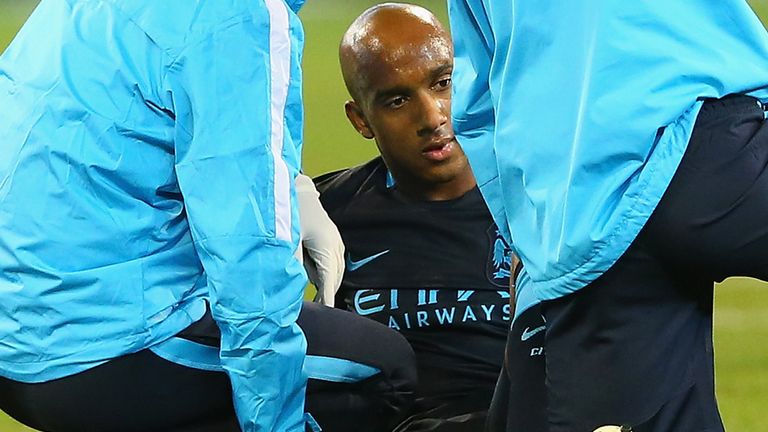
Objectivity: When I spoke to Delph about his experiences for Soccology, he spoke about taking up a detached position, something that therapists are trained to use in different ways depending on your modality. When he was in the height of his injury problems, Delph would study his body's weak parts, research his injuries, strengthen his body and move from rehab to prehab.
Looking at your body objectively and applying intense focus on areas to support your prehab helps you to feel better and recover quicker. This takes your focus away from all the negative changes you're experiencing, that voice of doubt in your head, and gives them productive content.
Therapy: Speak to a qualified professional about the injury, the relationship change with your body, and the changes you've experienced as a result.
Redknapp on injury: An incredibly tough time
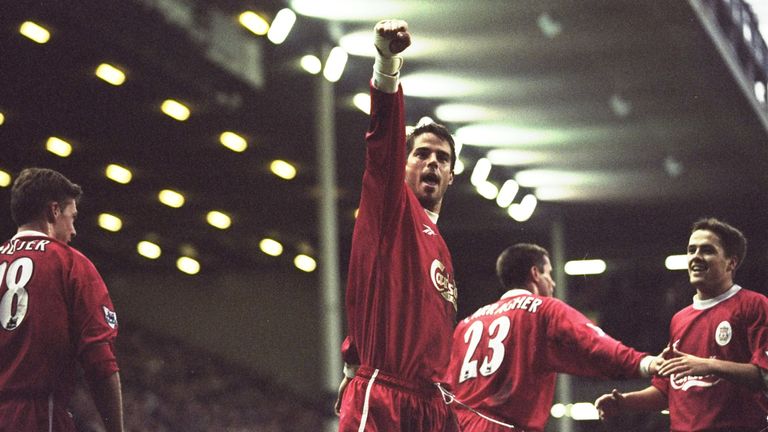
Speaking on The Football Show on Monday, Sky Sports' Jamie Redknapp recalled how his own injury issues led to issues during his playing career. Like many, however, Redknapp admits he did not want to openly admit his struggles through fear of seeming weak...
"The hardest thing in the world as a footballer is not doing what you love.
"The amount of heartache you go through when all your team-mates are going out to train, you're going to the gym, you're maybe out for six months, there is no light at the end of the tunnel, and people are questioning you. That for me was the hardest thing.
"At Liverpool, I'd get nobody to talk to, nobody I could talk to in terms of the staff. It was like the tears of a clown to a certain extent; you'd try your best and laugh at it. Even on 'A League Of Their Own', people joke about me being injured and I laugh about it, but inside it certainly hurts sometimes, because all I wanted to do was play football, be out there doing what I loved.
"There were times when I was a young man at Liverpool and I'd go to bed at night, and didn't want to go to training and show your face, it was an incredibly tough time.
"Did I see it at the time as a mental health issue? No, because it was never discussed. I never wanted to show a sign of weakness to people. I didn't want to show I wasn't strong enough mentally to deal with it."
Soccology was created by former professional footballer and psychotherapist Kevin George - buy the book from Amazon here - or find out more about the Soccology eSchool here
Hosted by the Mental Health Foundation, Mental Health Awareness Week takes place from May 18-24 2020. Find out more here.
If you are affected by issues related to mental wellbeing or want to talk, please contact the Samaritans on the free helpline 116 123, or visit the website.