Exclusive
Lamine Yamal, Pau Cubarsi among academy graduates powering Barcelona's Champions League push as Xavi Garcia Pimienta explains La Masia's success
Barcelona are eyeing Champions League glory led by La Masia stars like Lamine Yamal and Pau Cubarsi; Xavi Garcia Pimienta, a UEFA Youth League-winning coach who spent 17 years working in the club's famed academy, tells Sky Sports why it's unique

Wednesday 8 April 2026 18:33, UK
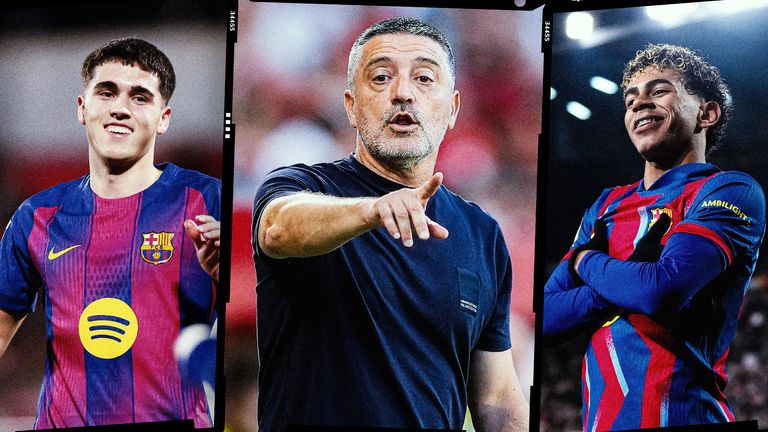
Barcelona face Atletico Madrid in the Champions League quarter-finals this week having made history in the round of 16. Their 7-2 second-leg win at home to Newcastle was the biggest by a Spanish side against an English opponent in 60 years.
Robert Lewandowski played his part. Even at 37 the goals continue to flow. But the result was achieved with the club's youngest team in knockout history, its average age brought down to 25 years and 18 days by the inclusion of five players from their La Masia academy.
By fielding Lamine Yamal, Pau Cubarsi and Marc Bernal among those five, Barcelona overtook Ajax as the club to have given the most starts to teenagers in the Champions League knockout stages. They used another from the bench in Xavi Espart.
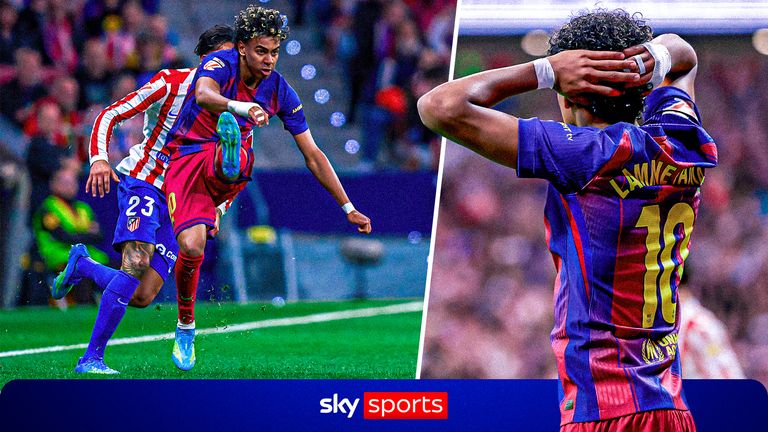
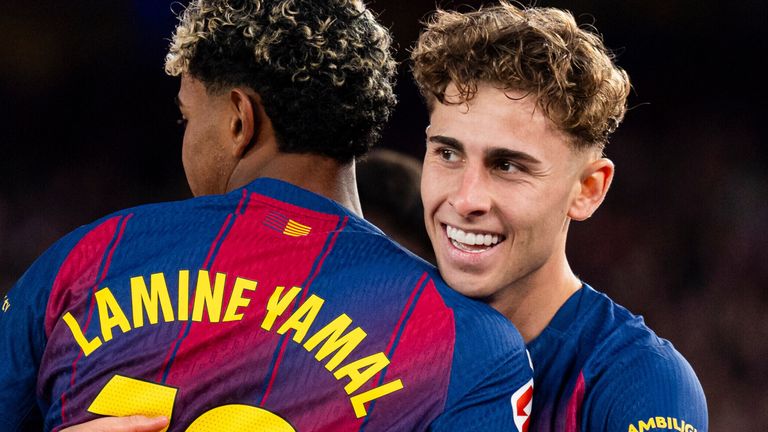
Together with Yamal, Cubarsi, Bernal and others including Fermin Lopez, Gavi and Eric Garcia, Espart, an 18-year-old midfielder likened to Philippe Lahm by manager Hansi Flick, is one of 14 players from their academy to have featured at senior level this season.
A CIES Football Observatory study in January determined that Barcelona's under-contract academy graduates have a transfer value nearly three times as high as any other club's in the world.
Xavi Garcia Pimienta has watched them flourish proudly.
The 51-year-old, who most recently worked as Sevilla's head coach, has Barcelona in his blood and a unique understanding of the inner workings of La Masia developed over the course of three decades, first as a player, then during a 17-year spell as a coach.
He won the UEFA Youth League with Barcelona's U19s in 2018, beating Chelsea in the final, and was even talked about as a candidate to succeed Ernesto Valverde and Ronald Koeman at first-team level having impressed as head coach of Barça B.
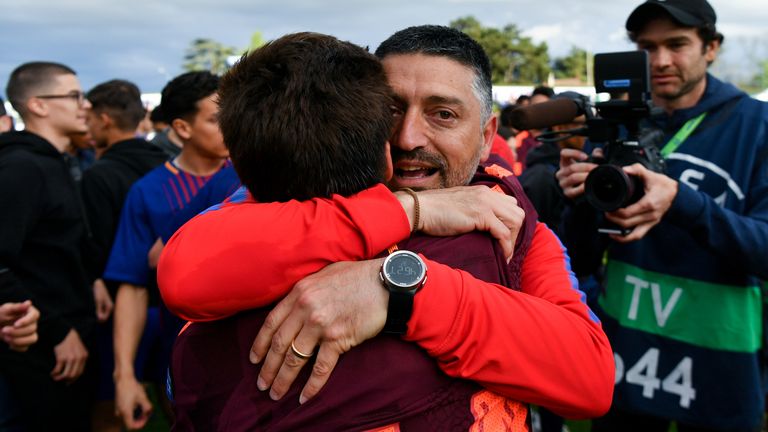
He still feels a deep affinity with the club. "I feel very connected to the fact Barcelona has so many homegrown players in the first team right now," he tells Sky Sports. "It's an honour for me because I've been part of that process too, both as a player and a coach.
"These players are demonstrating the level that they have, with the clear way of playing that of course came with Johan Cruyff and has been maintained and perfected ever since at a club where it's not just about winning, but also how you win."
Why La Masia is unique
Cruyff is of course inextricably linked with modern-day Barcelona having reshaped the club's identity and playing style following his appointment as manager in 1988 with a set of principles which included a commitment to developing players from La Masia.
"There is a before and after Cruyff," says Garcia Pimienta.
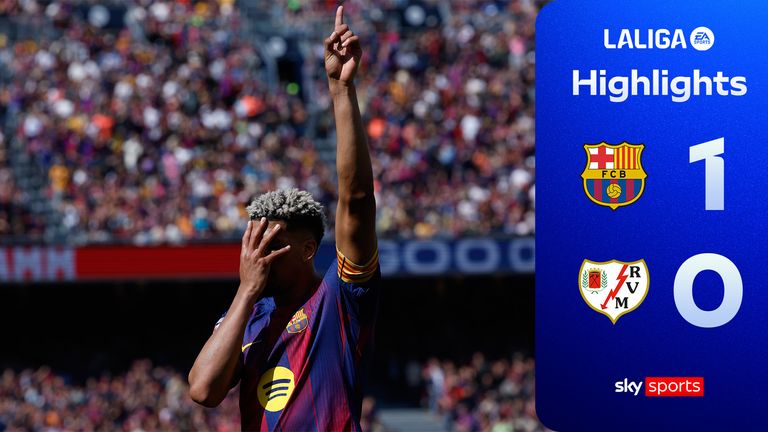
"Barça was a great club like many others but Cruyff's way of training and his way of understanding of the game became established and his methodology was used at every level of the club.
"So, what these players are now doing in the Barça first team, they were doing three or four years ago in the youth ranks, which I think is the foundation of everything.
"There have been times when Barça have had first-team coaches with a different profile, but from Barça B down, everyone has always trained and played the same way and that helps create the sense of belonging which I believe is what makes it special.
"For example, now we are seeing videos of Cubarsi, Lamine and Marc Bernal playing together when they were 10 years old in the academy.
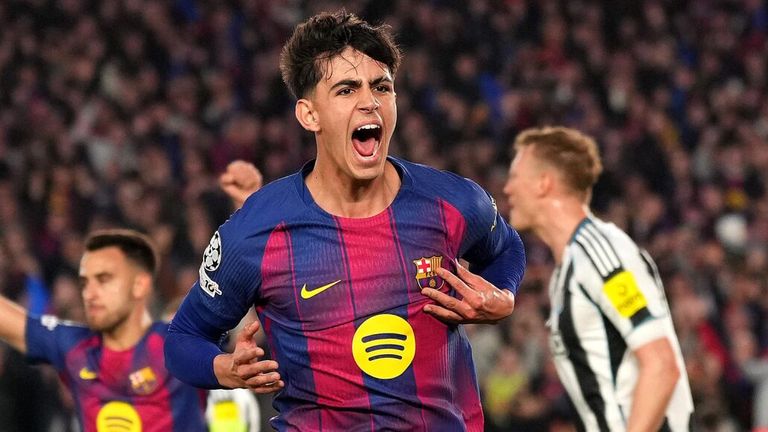
"Imagine the process of growing up together and going through each age group together every season. The dream is to one day arrive in the first team and they've managed it. Imagine what it means to these players to play for the club of their lives.
"And as we have seen, Barcelona has been doing excellent work in this regard for a long time. Almost every time they put an emerging talent from their academy into their first-team squad, they end up managing to make the step up."
Garcia Pimienta uses the example of the all-conquering Barcelona teams of Pep Guardiola and Luis Enrique which were dominated by players from La Masia, many of whom he coached himself, including Lionel Messi, Andres Iniesta and Cesc Fabregas.
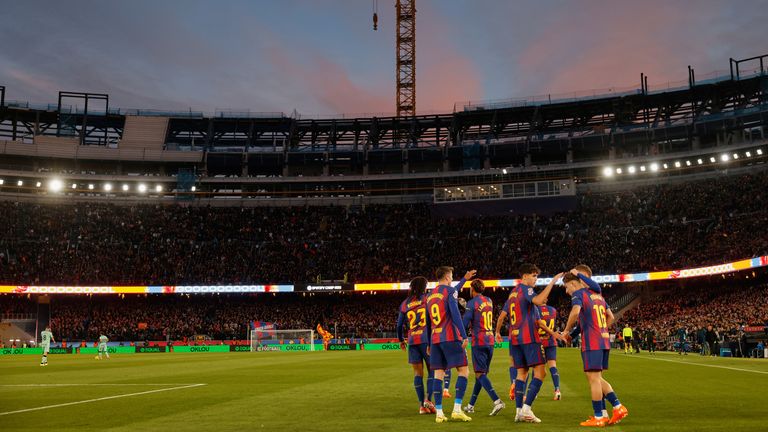
"The best days of Barcelona," he says. "A full stadium and a first team made up of players made in the academy."
He now sees parallels with Flick's team as they aim to repeat the successes of those generations. "It comes back to that feeling of belonging," he says. "'I am a Barça fan, and on top of that I've reached a Barça first team which is competing to win everything.'"
Intelligence over physicality
The success of La Masia depends on opportunity at first-team level but youth recruitment and talent identification are also key. Everything is geared towards nurturing players with the attributes Barcelona's short-passing, possession-dominant style demands.
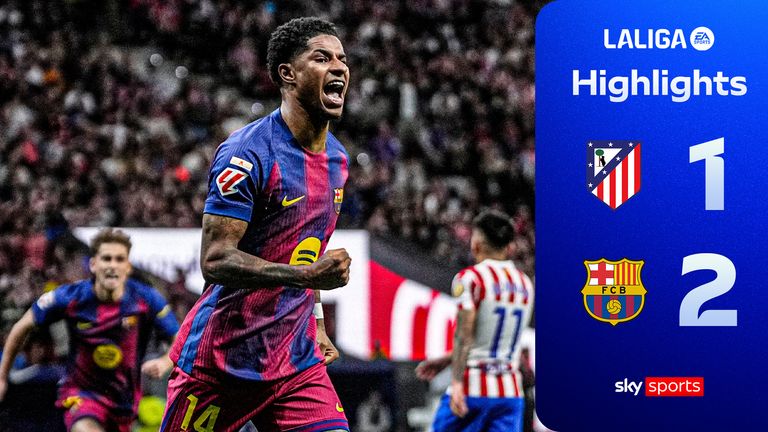
"The players we scouted were always players with the profile of understanding the game, who could grasp what we were going to teach them here, so that the day they reach the first team, that is the football they know how to play," says Garcia Pimienta.
"I think that's another key difference with other clubs. They really believe in their methodology and they try to recruit players with the ability to understand the game."
Their priorities in how they identify and recruit young players are no secret. While the more dominant players in young age groups tend to stand out to other clubs, Barcelona look beyond physicality.
"They always pick last at recruitment camps," says one agent.
Garcia Pimienta adds: "When you sign Iniesta or Pedri, you're not looking for a physical marvel, you're looking for a talented player with the ability to think.
"Take Fermin, for example. He is now a big, strong man but he was a very small boy who hardly played at all in the youth categories. He didn't have the physique to compete with everyone else, but he had the footballing intelligence that Gavi has.
"You see a lot of very small players who think very quickly and very well. And if they are homegrown players, they have that feeling of belonging too, which is even better.
"Of course, the physical training is there as well. These players are ready and able to suffer against physical teams for 90 minutes, as they did in the first leg against Newcastle.
"But Barça is based on footballing talent, on thinking, on being intelligent, on positioning, on always training with the ball.
"And most of the time, they have more possession than the opposing team, so things usually end up going their way."
What next for Garcia Pimienta?
Barcelona's identity shapes its coaches as well as its players and now forms the basis of Garcia Pimienta's managerial philosophy.
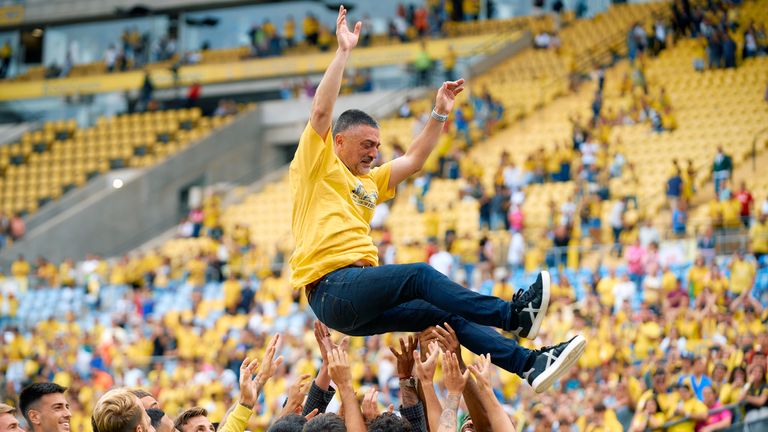
Before his spell at Sevilla last season, he guided Las Palmas to promotion from the second tier playing Barça-like football.
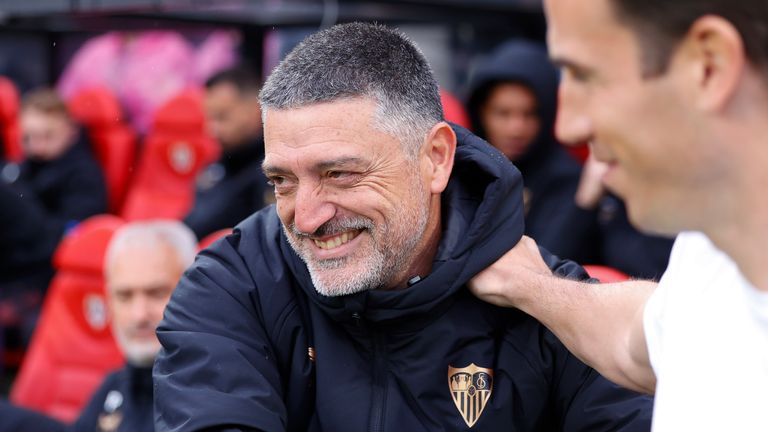
"They were looking for a coach with that style of play, because the players there had that profile. It went very well, both in terms of results and the connection with the fans.
"We were able to get promoted playing a very recognisable, very attractive style of football, one that I felt deeply connected to. The players were able to absorb everything I tried to instil in them and the fans were able to identify with how we played."
It was more difficult at Sevilla, where his tenure only lasted 10 months. "That was because their philosophy and approach was quite different from Barcelona's or even Las Palmas'," he says.
But even as physicality takes on greater importance, at least in England, he remains convinced the Barcelona way can be exported.
He is just waiting for an opportunity to show it. Garcia Pimienta has been on the radar of lower Premier League and Championship clubs since his exit from Sevilla last year and is excited by the possibility of one day working in England as he ponders his next move.
"I believe what's done in Barcelona can be exported, but only if you have the necessary time, as we did at Las Palmas, for example.
"It comes down to patience, but ultimately, players always want the ball. Training sessions should be fun, and not just physical, but about being protagonists with the ball and making things happen.
"I am certain that those things can be transferred."