
How to survive in the Premier League

By Sam Blitz
The Premier League is back for another season. The best league in the world. The most unpredictable too.
But for some of the newly-promoted sides, it has become the most difficult league. And in the last two seasons, they have been getting it all wrong.
“What the f*** were Burnley and Southampton doing?” said one senior figure at a Premier League club to Sky Sports at the end of last season. “They didn’t respect the level.”
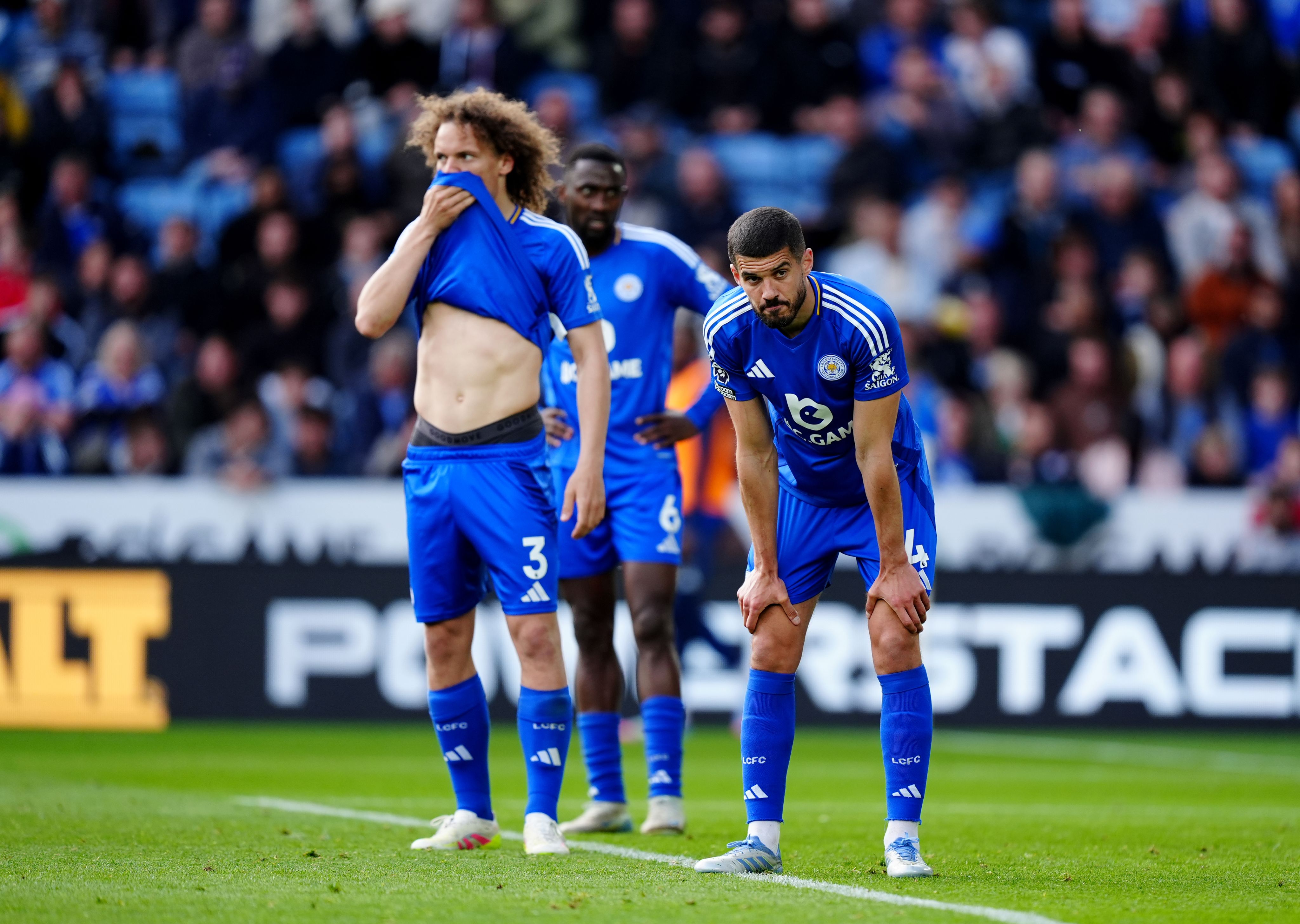
The last campaign saw the three newly-promoted teams - Ipswich, Leicester and Southampton - all relegated back down to the Championship for the second successive season, following Luton, Sheffield United and Burnley.
Before the 2022/23 season, only once had the 'three up, three down' phenomenon happened before in Premier League history.
Not only are the promoted sides failing to reach 17th spot, they are even struggling to get points on the board.
Last season, it took the three promoted sides until October for one of them to get a win. Southampton ended up with the second-lowest Premier League points total. Leicester lost eight games in a row without scoring. The season before, Sheffield United conceded a record 104 goals in their attempt.
It is not just a divide – it is a gulf.
And as the Championship clubs come and go, the teams who remain in the top division get richer and stronger.
“The longer teams stay in the Premier League, the better they get,” ex-Leicester boss Ruud van Nistelrooy said last season. “The same teams are all going to invest massive amounts of money. It appears that the gap will only get bigger.”
This year’s newly-promoted sides - Leeds, Burnley and Sunderland - are all too aware of a increasingly striking trend.
“You need that understanding of what the Premier League is and what the trends are,” Burnley captain Josh Cullen tells Sky Sports.
“We have studied that in pre-season this year: how the Premier League has developed probably from five years ago to where it is now - even from a couple of seasons ago to how it is now.
“We’ve been looking at teams that have been promoted, that have been successful, and what we can take from them.”
Top-flight survival is not an impossible task. It was only three years ago that Fulham, Bournemouth and Nottingham Forest came into the division and not only survived, all three were in the race for Europe last season, as were Brentford and Brighton - who became top-flight teams for the first time in their history.
So what can Leeds, Burnley and Sunderland – or any newly-promoted side in the Premier League – do to maximise their chances? How does the second tier bridge the gap to top-flight?
Sky Sports has spoken to major Premier League figures – including players, coaches and chief executives who have overseen survival – on how to tackle what is becoming one of football’s hardest achievements.
This is How to Survive in the Premier League.



THE FINANCIAL GAP
The Promised Land promotion parties get under way but the planning and preparation begins soon after. Getting into the Premier League is complete – how do you give yourself the best chance of staying there?
The immediate concern is the transfer market to build a squad that can stay in the Premier League. And here lies the first challenge - the financial chasm between the Premier League and the Championship.
In the 2023/24 season, top-flight clubs received a combined £6bn in revenue and spent £4bn on wages. The Championship clubs don’t even receive or spend £1bn in either category (£950m in revenue and £892m in wage costs).
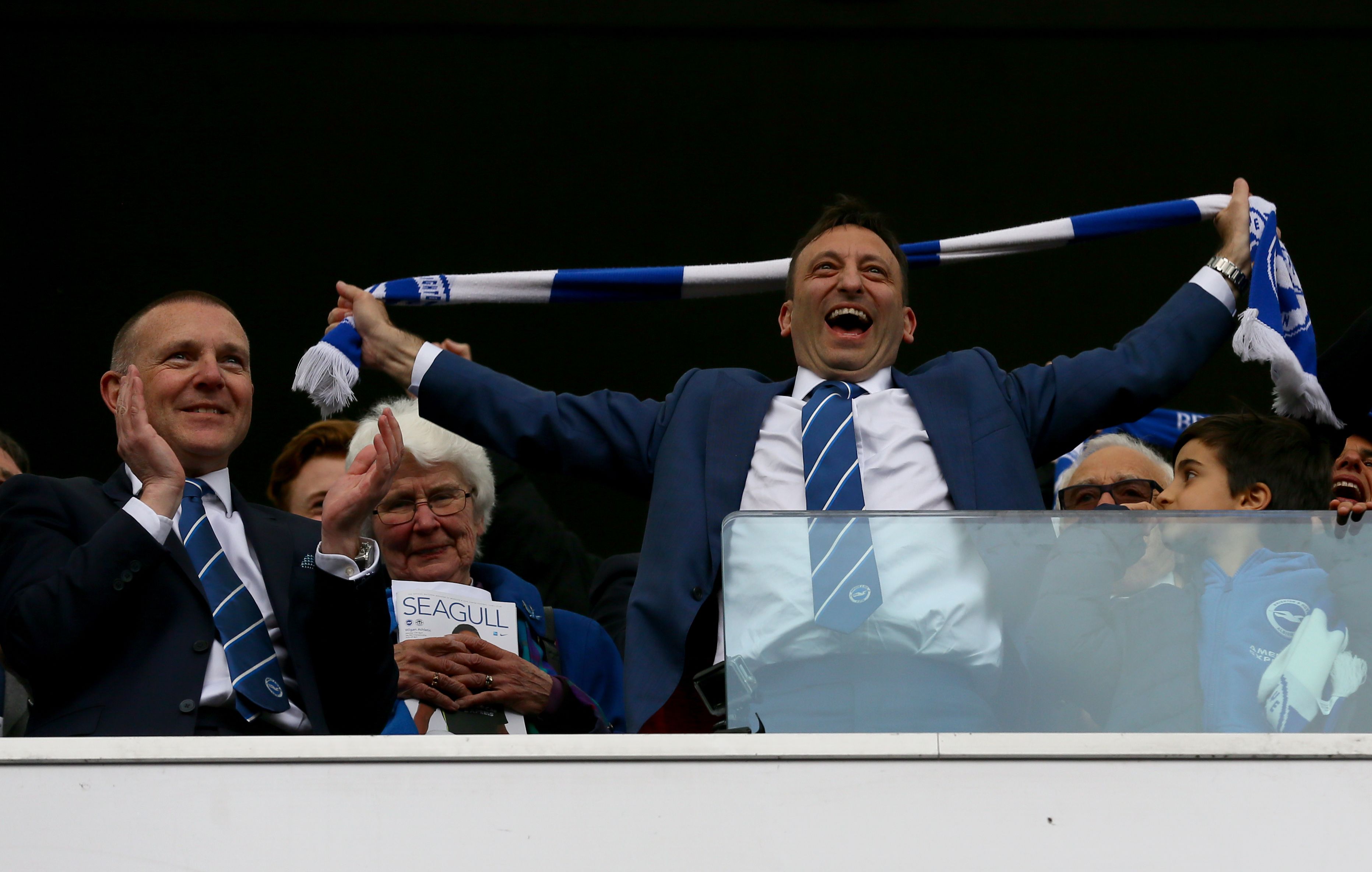
“It was difficult back when we were promoted in 2017 and I think it’s probably even more difficult now because the gap is even bigger,” says Brighton’s chief executive Paul Barber to Sky Sports.
Promoted clubs have to act like Premier League clubs, before they even take to the pitch, to even compete - let alone stay afloat. And that begins with spending like a top-flight side in the transfer market.
“In the last four years, the Premier League has become even more competitive,” Thomas Frank tells Sky Sports. The Dane took Brentford into the Premier League for four seasons before moving to Spurs this summer.
“Look at the amount of money that Nottingham Forest have spent. Bournemouth, Fulham and even Newcastle – when we came up, they were struggling a bit but then suddenly - BOOM! - they’re a top five club. There are lots of clubs that have spent heavily, so the competition is crazy hard.”
“You look at someone like Matheus Cunha,” adds Conor Coady, who was at Leicester last season. “Wolves were fighting with us this year, and they had Cunha. It is crazy where these leagues are.
“But it is up to us. You have to find a way to stand up to that.”
Data may not be needed for this argument, but it does show that the more a promoted club spends in the market, the better chance it has of survival.
Since the Premier League switched to a 20-team league, 13 newly-promoted sides have spent £50m or more in the summer after being promoted. Only three of those teams been relegated.
But in worrying signs, two of those three clubs were Ipswich and Southampton last season – highlighting that even a major summer spree may not be enough anymore.
In staggering numbers, Sky Sports data can reveal that in order for a newly-promoted club to 100 per cent guarantee survival – they would need to spend between five to 10 times the average Premier League net spend for that season.
At the start of this season, the average net spend sat at around £43m – so Leeds, Burnley and Sunderland needed to commit to at least £215m each in talent this summer to give themselves the best possible chance of survival from the get-go.

HOW TO BE PREMIER LEAGUE-READY
It is one thing putting money on the table, but it is another matter investing it in the right way. Getting Premier League-level players is a huge challenge.
While promoted clubs’ revenues are boosted by the commercial and TV revenue influx that come with the Premier League, one issue that remains is wages. How do you expect to sign Premier League-level players when you have a second-tier wage structure?
Clubs have struggled with that in the past, including Burnley in the 2023/24 campaign. Last season, former assistant manager Craig Bellamy told Sky Sports’ Monday Night Football: “The players we were looking at and what they were expecting financially, a lot of them don’t want to get involved in wage cuts if you get relegated.
“They don’t want to be in that fight. So, the profile of players we were looking for were just out of our reach.”
It means the chances of a newly-promoted side getting a 20-goal forward to keep them up, or a defensive player to keep the clean sheets are low. If any are available, one of the more established teams are in a better position – financially as well as reputationally – to sign them.
But Brighton, who were promoted in 2017, had a long-term plan to overcome these challenges.
“We called it a 'Premier League-Ready plan,” recalls their chief executive Barber. And it started years before their first Premier League season.
“It was about making every area of the club as ready to be in the Premier League as it could be. From a ticketing point of view, a systems point of view, a marketing point of view, a stadium point of view, pitch conditions, everything that we could do to get to Premier League level before we got there.
“And the thinking behind that was to make sure that in the summer that we were promoted, we could just focus on the squad and preparing the players and making sure that they were ready for that step up as you ever can be.
“In the end it turned out to be a good strategy because in the season that we were promoted in 2017, the rest of the club was ready for what was to come. It enabled our recruitment team and our technical staff to focus on the players and preparing them.
“If we were ever faced with making the movement from the Championship to the Premier League again, I would absolutely repeat that strategy.”
And that translated into Brighton's on-pitch success. Firstly, the long-term planning meant they had Premier League-level players in their Championship squad through years of smart recruitment.
It also put together a project that could attract higher-calibre players who may not have picked a newly-promoted club of that stature in any other circumstances.
But Brighton did not just sign elite ready-made players. The likes of Leandro Ulloa and Tim Krul were signed on loan deals - aging players either side of 30s.
Other clubs have done that too - and here's why.




EXPERIENCE OR QUALITY - WHO DO YOU SIGN?
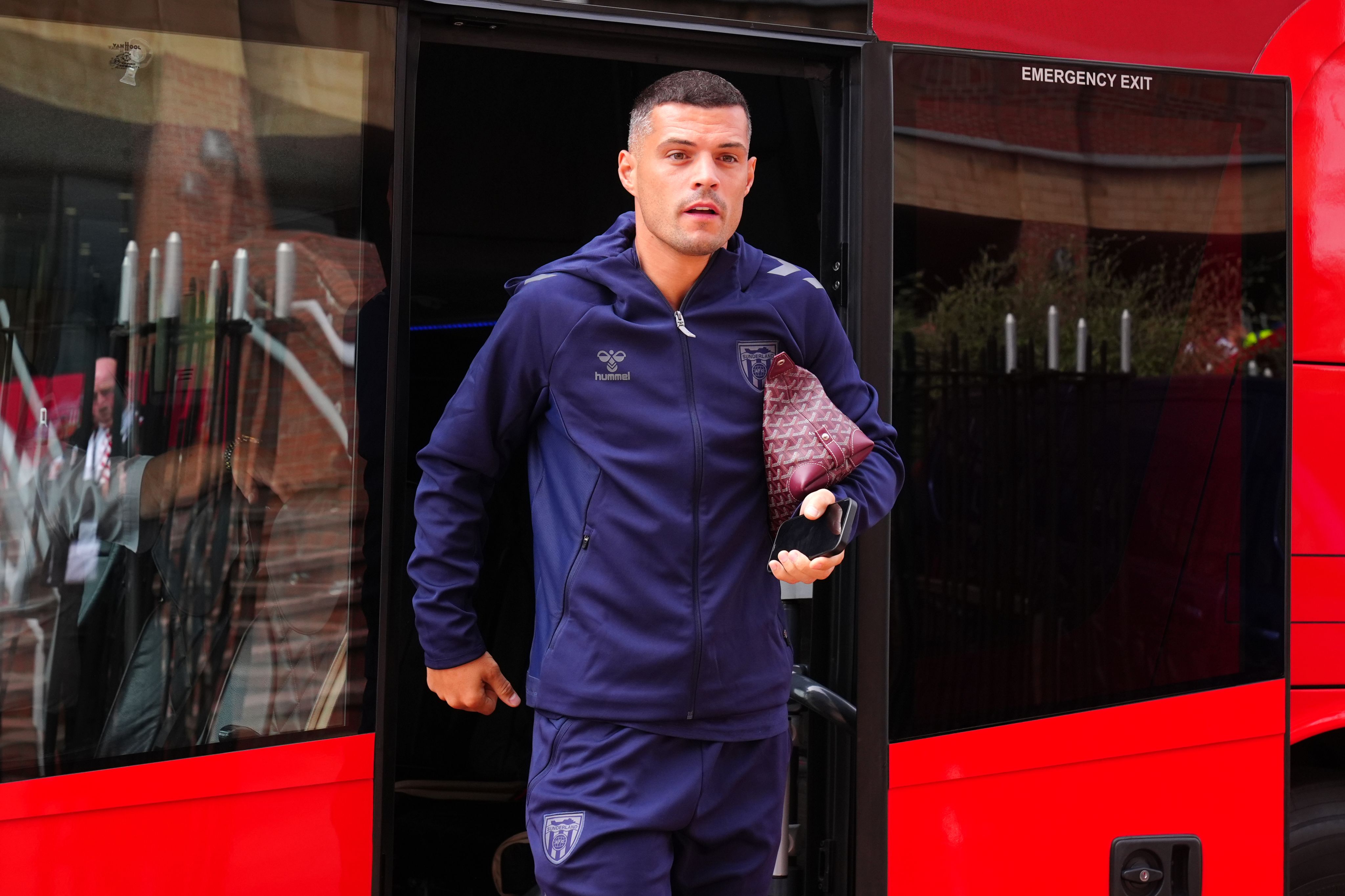
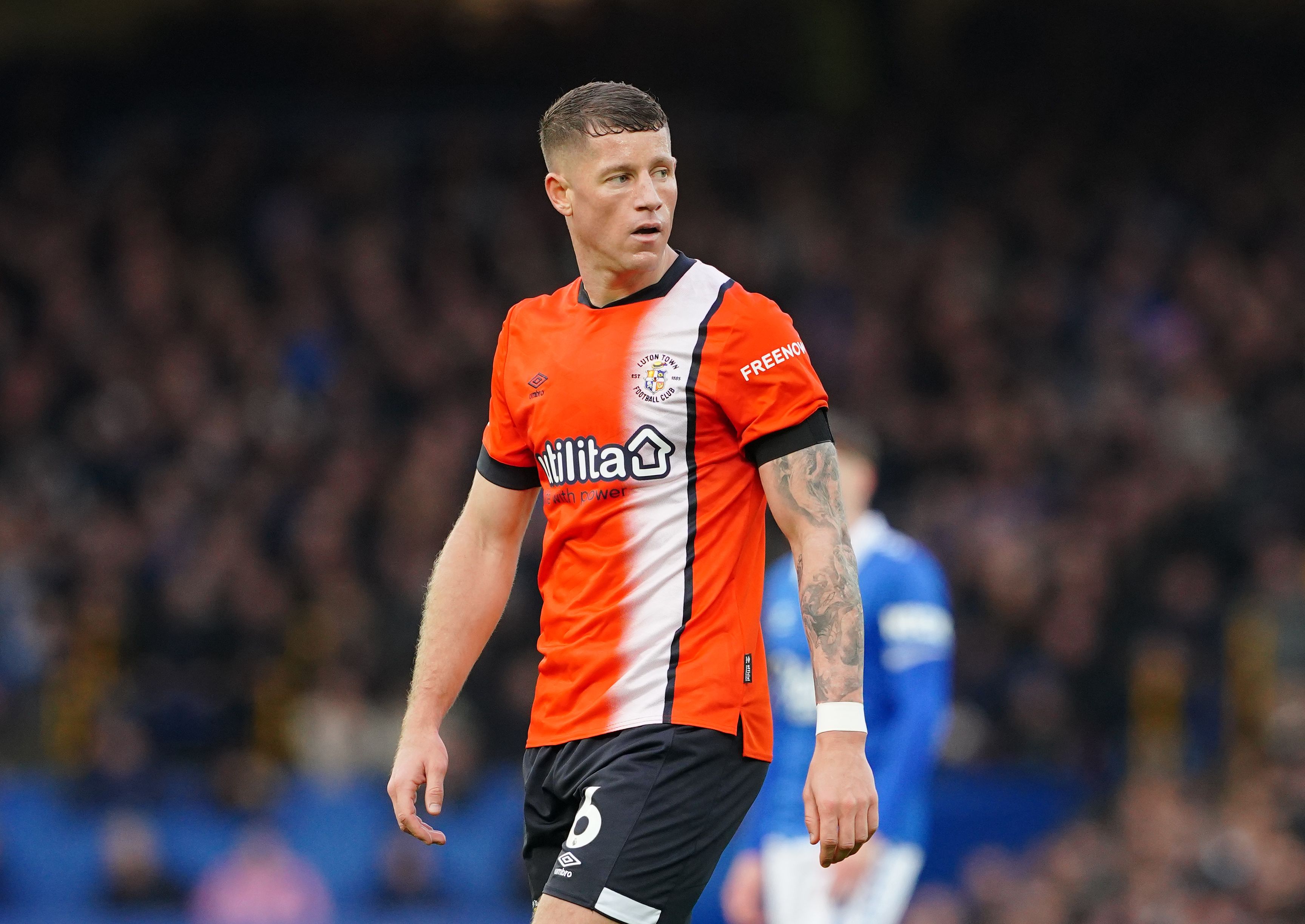
There has been a trend in the newly-promoted clubs' transfer strategy. Ulloa and Krul went to Brighton. Ross Barkley went to Luton. What do they have in common? Premier League experience.
The desire for that exact skill has is even evident this summer. Burnley and Sunderland have opted for the likes of Kyle Walker and Granit Xhaka – players in their 30s, past their prime, but who will bring as much off the pitch experience as on it.
Burnley boss Scott Parker describes this attribute as “players who have made the trip”.
“What experience brings you is no shocks,” Parker tells Sky Sports as he prepares his team for the new season in the transfer market.
“What I mean by that is the shock of walking into a full stadium, the shock of being on the end of a bad result, which can happen in the Premier League.
“It's vitally important that in your squad, that there are players that firstly are an added voice to me, and in certain moments can be calm and cold - no matter how bad, or how good, and that there's a real levelness to us.”
It is perhaps what Burnley were missing last time they were in the Premier League. “We made a decision to go young and inexperienced,” said Bellamy. “And it’s very difficult in this league to be inexperienced. You need experience.”
Another newly-promoted club in Leeds have tried to bring in experience in a different form.
All of their summer signings so far are aged between 26 and 28 – players in their prime. All of them have come from top-flight clubs right across Europe. It is not aged experience, more like in-form experience.
“Sometimes you underestimate how important experience at this level is,” said their manager Daniel Farke this summer - someone who has been relegated with Norwich before.
“Often, you could go with a 30-plus player who has played many games but is on the way down. I didn’t want to do that. We are ambitious and want to be back for good. The pressure is on us and they have to live it straight away.
“For that, I wanted experience of Premier League level, of Bundesliga level, Serie A level and so on. It’s important to have players with good age, good experience but not the finished products.
“We didn’t want to have projects. We didn’t want players just happy to get another contract. We want players who are ambitious. The general theme is quality and players on the way up the hill in their career.”
There is also the value of Premier League experience through the manager. For Brighton, that was crucial in their opening few seasons in the top-flight.
“We were fortunate that we had Chris Hughton as head coach,” says Barber. “He was highly experienced and knew how to get enough points to stay in the Premier League. And we did managed that in two consecutive seasons.”
At Burnley, Parker is hoping his experience of the Premier League - as both a manager and as a player - will help the Clarets this season.
“As a manager, or as a coach, I'm probably more of a brawler, ” he says.
“I'm 44, and I've been around football a long time. I probably know the journey, I know what it looks like, I know how to react in certain moments, I know when to be worrying about something, I know how to deal with certain issues.”
Both Parker and Farke have been in the newly-promoted position before with other clubs. Which type of top-flight experience will come out on top this season, if any?




KEEPING UP WITH THE PREMIER LEAGUE
Describing the Premier League as the best in world has become a go-to phrase when it comes to football analysis.
But for newly-promoted sides, the Premier League in some ways represents a different ball game altogether.
“The Premier League has more intensity,” says Cullen, comparing the two divisions. The numbers back that up.
England’s top-flight sits well above the Championship in terms of the speed of the game. First there are the pressing numbers, which show how much less time on the ball players can expect in the Premier League.
“A lot of teams wanted to go man v man [in terms of pressing] and they were physically able to do something about it,” recalled former Burnley coach Bellamy.
“We had a few warning signs of that in the Championship, but not like this.”
A quicker tempo and pressing style means there is also a smaller margin for error. Premier League teams move the ball quicker up the pitch in terms of fast breaks - and the difference in intensity is only getting wider.
“That speed on the counter-attack is a different speed,” recalled Bellamy. Burnley's Cullen agrees.
“Mistakes you make in the Premier League get punished more often than not, whereas in the Championship you might get away with making a few mistakes or not get punished on occasion,” he says.
“The Championship is more of a slog. The Premier League? There’s the change of pace from not much happening in the game to, within a split-second, teams changing the tempo really quickly against you and trying to finish attacks really well.”
And scarily, the Premier League is getting quicker and quicker. Last season saw a huge spike in the intensity levels, with even the likes of Bournemouth and Brighton - newly-promoted sides not too long ago - leading the way on pressing, counter-pressing and sharp vertical football through the lines.
It was so intense that Burnley felt they could not invert their full-back into attacking areas – which they did so successfully in the Championship - because of that Premier League pace on the break.
“If the full-back moved into a certain area and you lose it in transitions, they find the last pass,” says Bellamy.
But more on the style of play below….




OVERCOMING THE IDENTITY CRISIS
The divide between the Premier League and Championship has placed a huge spotlight on style of play.
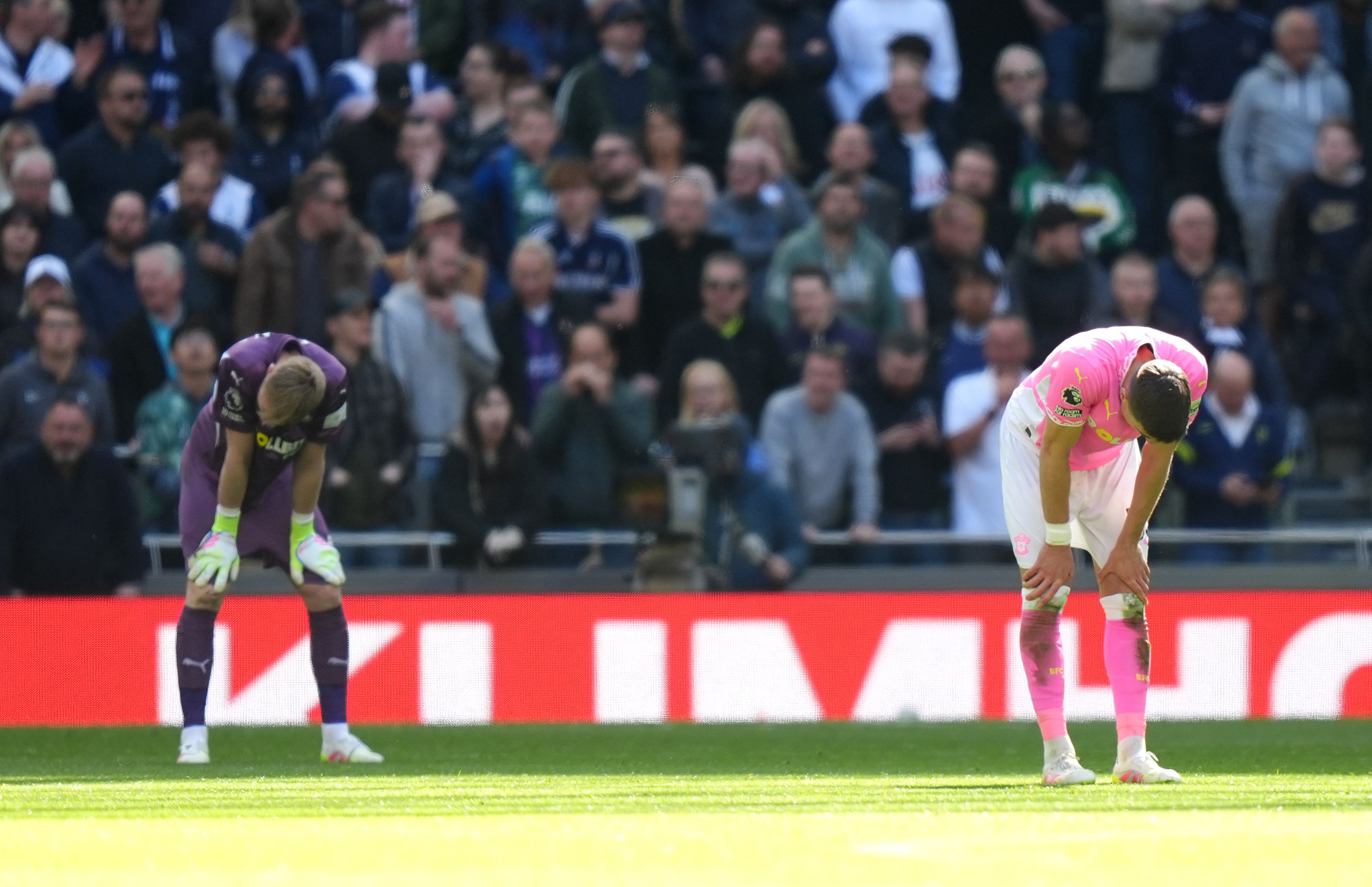
Last season, Southampton gained criticism for their bold tactics including playing out of the back, in an attempt to continue Russell Martin’s possession-heavy tactics in the Championship. Burnley – who got 101 points in their Championship title win – tried a similar ploy under Vincent Kompany.
Both tried, both spectacularly failed to stay up. “It maybe was a bit too gung-ho at times, a little bit too open defensively,” recalls Burnley captain Cullen.
Ironically, both Kompany and Martin defended their processes - and ended up getting the Bayern Munich and Rangers jobs straight away.
So there are benefits to it - but the immediate aftermath is a relegated club, low morale players and unsatisfied supporters.

It creates an identity crisis: philosophy or pragmatism? Should teams stick to what has been successful in the lower tier or depart from last season’s plan to adapt in the face of a much higher level?
Coady has a strong opinion. “From my own experiences, I've always thought having that foundation from the Championship and really believing in it in the Premier League has always helped.
“When we did it previously with Nuno [Espirito Santo at Wolves], the one thing I take from that and from what clubs who have done it in the past and stayed up, they never, ever changed what they were doing, what they built on in the Championship.”
It is worth noting that while Wolves were a newly-promoted side in the 2018/19 season, they came up with a team that had Premier League-level players in their spine, such as Ruben Neves and Diogo Jota – hence proving the worth of already having top-flight talent during the Championship promotion season.
Not everyone has that luxury. For Brentford, they travelled from “one of the most dominant teams in the Championship” - according to Frank - to the team with one of the smallest budgets in Premier League history, with an entire squad of players who had never played in the division before.
So how did Frank manage Brentford's identity tactically?
“We were a very offensive and open team,” says ex-Brentford boss Frank. “We always scored a lot of goals.
“We – on purpose – changed a few bits. We were very offensive in the Championship and we still wanted to be in the Premier League. We just knew there would be long spells where we would not be on the ball as much.


“You need to have a big belief in your own style, just a few tweaks. You have to be pragmatic to a certain degree.”
Being adaptable between identities seems to be the name of the game at Burnley this season, given head coach Parker last term liked to alternate between a back four and a formation that looked more like a back five against the stronger Championship teams.
“It's about having that understanding of what each game's going to demand, rather than just thinking we're going to go out and play the way we play,” says midfielder Cullen.
“We still want to be a team that is good in possession, that plays to the principles and the beliefs that the manager has and we have as a group. That doesn't mean we're just going to go away from how we played last season.
“In the Championship, we analysed every game as a single game and we would tweak how we needed to play against different opposition within our beliefs and our principles.
“So you're going to see a more adaptable Burnley.”



THE CASE FOR THE DEFENCE
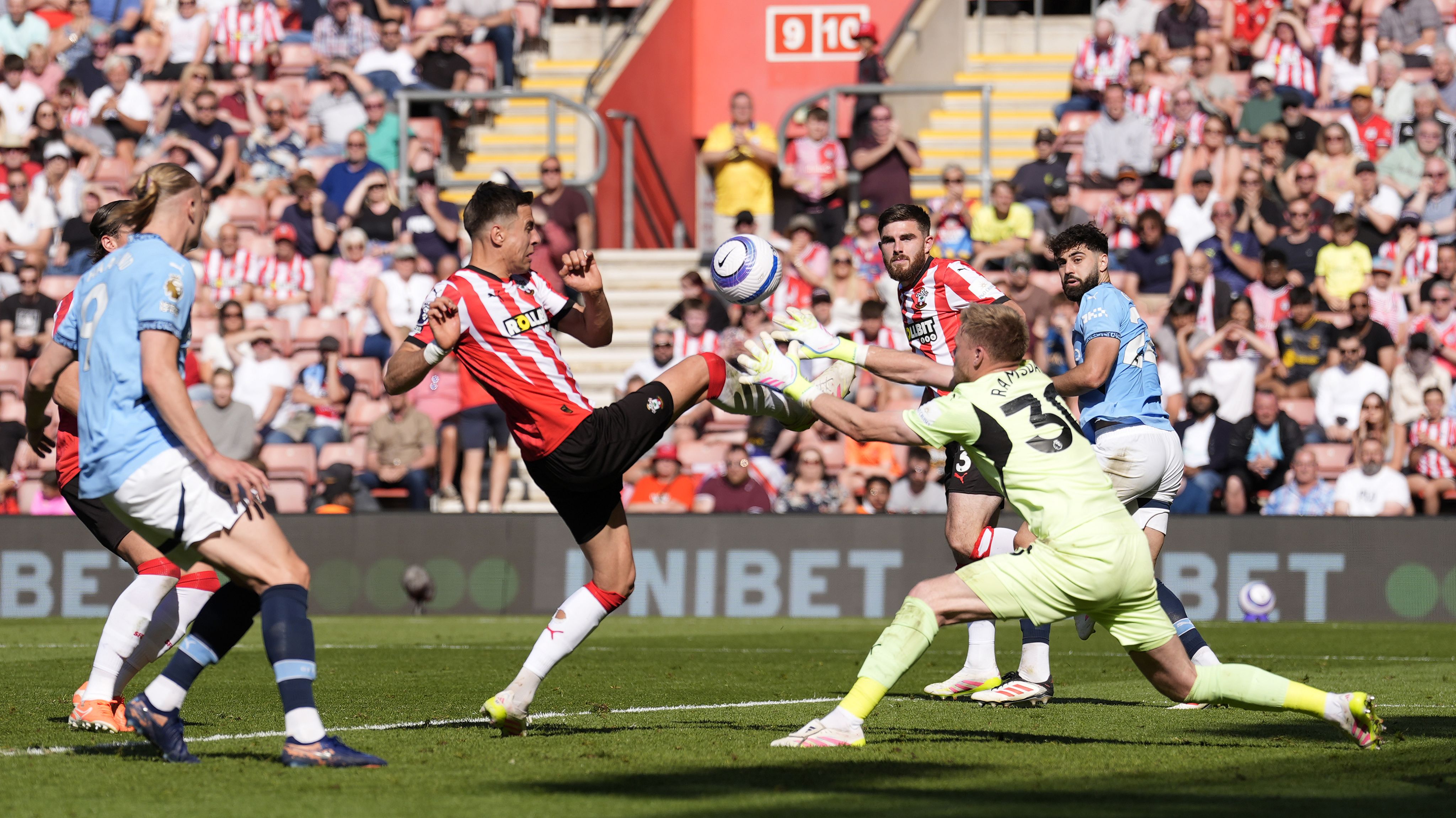
It may seem obvious but having a solid defence definitely boosts the chance of survival. Historical Premier League seasons say that if you concede fewer than 60 goals in your first top-flight season, you have an 83 per cent chance of survival.
“You need to respect all phases of the game - definitely the defensive part of it,” says former Brentford boss Frank. “I think that’s big.


“We had to defend well. We still defended fairly well in the Championship, we were still among the best there. But we had to put a big focus on defence.
“You need to have a big belief in your own style, just a few tweaks. You have to be pragmatic to a certain degree.”
But that defensive mindset cannot compromise the attacking quality. Scoring at least 43 goals as a newly-promoted side gives you an 88 per cent chance of staying up too.
One theme of a successful relegation-avoiding side is the implementation of a back five. Coady considers it essential. “I always remember Nuno used to speak about the back five being your net. That was insurance going into the game,” he says.
And Frank used the back five to turn his attacking Brentford side into that more adaptable unit - which was as tough to break down as it was to defend against.
“Every single time I played against a back five in the Championship, I was thinking: ‘Not again!’ It was always difficult to break down the back five,” the former Brentford boss says.
“So I thought: ‘Ok, when we go up we definitely need to be flexible and play a back five sometimes – and especially against the top six.’
“We did that a lot until last season, where I was bored of playing a back five.”
At Brentford, Frank - like Burnley are this summer – looked at one successful, surviving side as inspiration on how to defend. That was Chris Wilder’s Sheffield United, who secured a ninth-placed finish in their first Premier League season after being promoted.
“They did fantastic,” recalls Frank. “I faced them in the Championship but then I looked at them in their first Premier League season when they played a 5-3-2, and their defensive principles.
“I studied that a lot. I took bits of their defensive principles and I think that worked quite well.”
Wilder’s Blades took a lot of plaudits – sitting in a reserved, defensive shape that conceded only 39 goals but giving their outside centre-backs luxury to bomb forward. That not only surprised Premier League opponents but gained the Blades enough points in the early part of the season to then cruise to safety.
But while overlapping centre-backs were a standout feature of that team, another was a midfield tweak to a flatter three.
"You can't take the shackles off completely in the Premier League when you're Sheffield United and you've just come up,” said Wilder to Sky Sports at the time.
“We felt that more bodies in that area would strengthen us. If we'd have played two midfield players in there, the way we play, we'd have been really open to the counter.

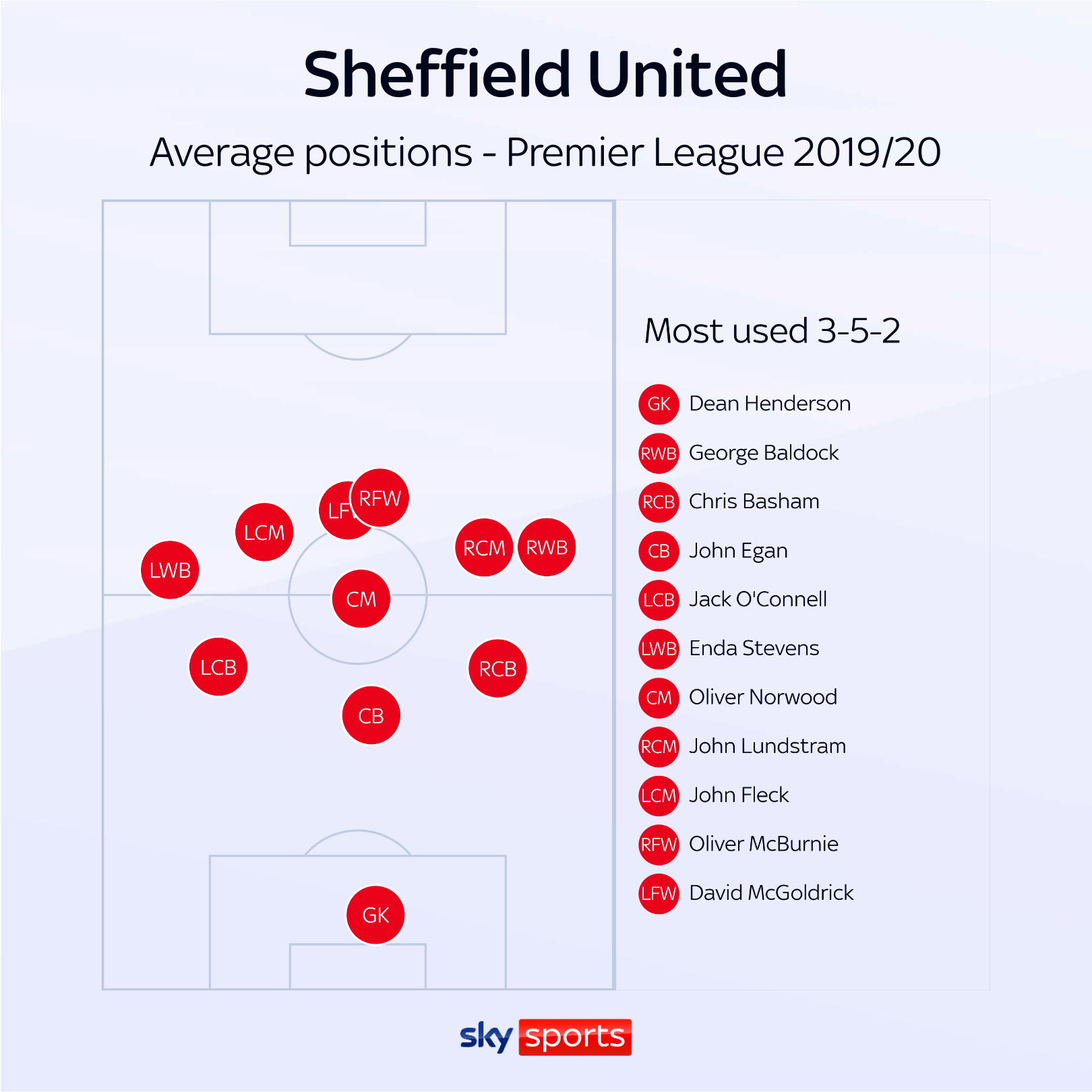
“It's huge in modern-day football now, that speed a team goes from one box to another. One thing that won't change is the three at the back and the two wing-backs because it's natural round pegs in round holes for us in terms of the way we play.”
It is not just about having three players in the middle of the park – but two sitting midfielders as well. Under Kompany and Bellamy, Burnley tried a more attacking approach in their relegation season – before quickly realising their mistake.
“We had one No 6 [a defensive midfielder] at certain times,” recalled Bellamy. “Then we realised very, very quickly we had to use two No 6s because when we lose it in transition, this is a problem.”
Tactically, recent history points to a conservative approach of three centre-backs and three midfielders offering a crucial platform to prosper further up the field.

BEATING GOLIATH WITH MARGINAL GAINS
If you’re David and you go toe-to-toe with Goliath, the likelihood is you will lose.
But in the Premier League, marginal gains have helped redress the balance for the newly-promoted sides.
Back in 2021, Brentford made their Premier League debut and their head coach Frank had two key tips.
The first? “Big focus on set pieces,” he tells Sky. “That’s an easy win, and it’s not easy to do it.
“Of course we did other bits: we also played still. But we had to nail that, and that was the non-negotiable for four years.”
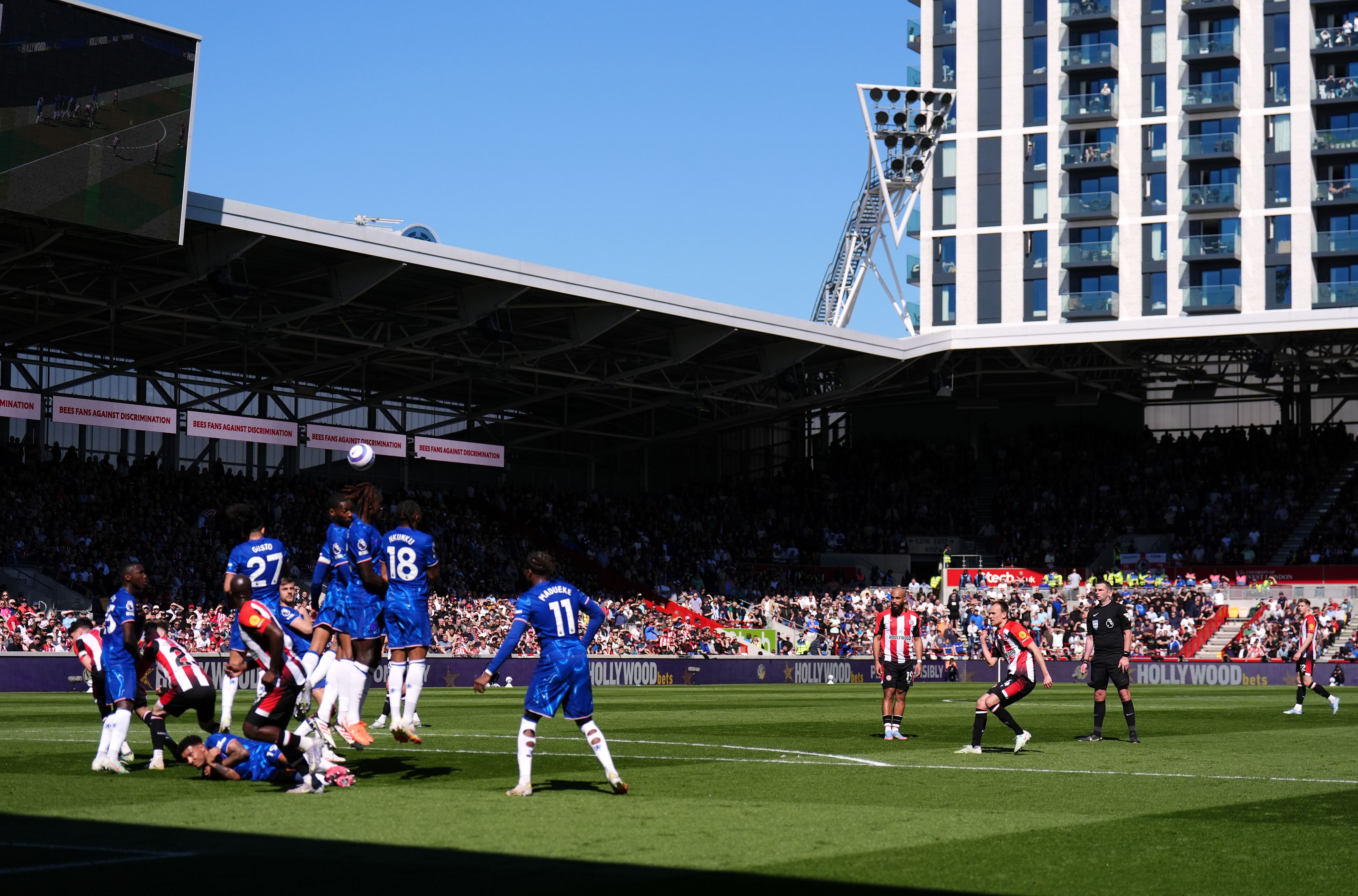
Set-pieces of course mean corners and free-kicks but Brentford have taken marginal gains to a new level in the last two seasons. Last term, they scored the most goals from long throw-ins – and even netted from kick-off routines.
The data supports Brentford’s focus here. Over the last two seasons, the teams who have been the worst at defending set-pieces tend to underachieve. And if you’re a newly-promoted side, that means going down.
It’s the same at the other end of the pitch. The newly-promoted sides with the worst attacking numbers from set plays also booked themselves a relegation ticket.
Despite the gap in open-play intensity between the Premier League and Championship, set-pieces can pave the way for a more level playing ground - and this summer, newly-promoted Leeds have gone to new levels to maximise their chances.
In the transfer market this summer, the Yorkshire side have made a point of only signing players 6ft and above – with set-pieces very much on the mind of their head coach.
“It’s not a coincidence,” said Farke. “We are more likely to need to score goals from set-pieces because I’m not sure if we can dominate games the way we did in the Championship.
“They are all really good footballers. We don’t want to play basketball with them. They fit with what we want to do and they add a special physicality.”
Frank’s second top tip?
“The fitness - we had to be very fit,” he says.
Opta’s running numbers reveal that the majority of teams who have failed to keep up with the Premier League’s levels have ended up relegated. One of the exceptions to that is Nuno Espirito Santo's Nottingham Forest, who reached Europe last season with the Premier League's fifth-lowest tally.
Those who have played the Premier League have realised the importance of fitness.
“You have to train yourself physically to be ready for what the Premier League demands,” says Burnley captain Cullen looking back on their relegation season two campaigns ago - his debut top-flight campaign.
“I think the learnings are that the game's played over 90 minutes. We started a lot of games really well, especially early on in the season. And then come the back end of the games, we struggled physically to cope with the demands of the Premier League.
“When you get tired and teams are changing their tempo against you and you come up against very good athletes in your position, it can get tough.”
Coming into the Premier League, you can be met with a whole load of issues. Injury issues, a difficult first 10 games from the fixtures computer - or even just bad luck.
But there are factors which can be controlled - in perhaps one of the most uncontrolled environments.
THE SURVIVAL FORMULA
To Leeds, Burnley and Sunderland, Sky Sports’ learnings from those who have come before are:
· Have you planned for this? If you have, stick to the plan...
· ... but if you haven't, that's fine. Spend big, but spend it wisely
· Bring in Premier League quality…
· … that’s because you need players used to the speed, fitness and the intensity
· Score at least 43 goals and try to concede under 60…
· … nailing set-pieces may help that.
· Retain identity but be pragmatic. Respect the level. Or else.
 Built with Shorthand