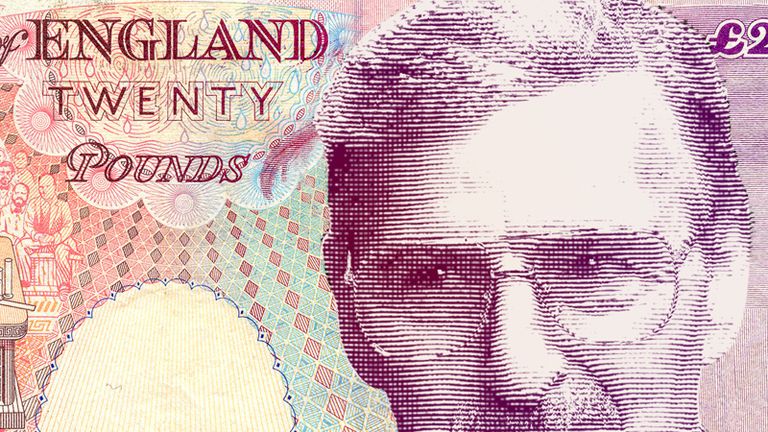
Jimmy Hill will forever be synonymous with the abolition of the maximum wage. Here's his story.
Jimmy Hill will forever be synonymous with the abolition of the maximum wage. Here's his story.
When Wayne Rooney picks up his reported £200,000 pay packet this week he might care to spare a thought for the men who made such riches possible.
For all those footballers, in fact, who, in the week John F Kennedy became the 35th president of the United States, stood full square behind their own union and ushered in a new era.
An era which on January 18, 1961, saw the abolition of football's maximum wage which had capped players' pay at £20 a week.
'League agree to end the soccer slave contract,' was how one newspaper headline described it.
'Hill's Hour of Triumph,' screamed another, focusing on Jimmy Hill's role as the players' union leader in the negotiations which saw the clubs and the league back down to the demands of the players.
Some might say footballers, in the half-century which has passed, have gone from 'slaves' to pampered millionaires who no longer have a relationship with the fans who help to pay their wages.
Gordon Taylor, chief executive of the Professional Footballers' Association, citing the 34,000 visits by PFA members to charities and good causes over the past 12 months, puts it another way.
"It created a greater mobility of labour," Taylor said.
No regrets
"And I wouldn't have a single regret. (The maximum wage) put an artificial ceiling on a player's unique ability. A football player is as entitled as an artist, a musician or an actor to get the reward he deserves. Many players have brought a lot of pleasure to a lot of people."
You would expect no less from a staunch union man who was himself an early beneficiary of football's revolution, even if his first professional contract with Bolton in 1962 was a mere £12 a week. In the 1950s when England winger Tom Finney famously juggled playing with plumbing and went to the match on the local bus, unrest had been simmering for some time, mostly at the unjust transfer system.
It culminated in George Eastham famously going on strike at Newcastle when they refused to grant him a transfer to Arsenal at the end of his contract.
In those days there was a 'retain and transfer' system which allowed clubs to retain the registration at the end of a player's contract, preventing him from moving while under no obligation to pay him.
It was known by players as the 'slavery contract' and it fuelled disaffection, especially among the top stars.
It is why Brian Clough, then a prolific striker at Middlesbrough, was a staunch supporter of the strike action over the maximum wage, saying: "I would expect the right to negotiate my contract the same as any person in any profession."
There were high-profile critics of the strike threat, including then Manchester United manager Matt Busby.
But the future of football effectively was changed forever at a meeting in December 1960 when some of the most down-to-earth players in the country in the north met and voted by 254 votes to six to withdraw their labour.
Hill and the union had their mandate to smash a system which had seen businessmen owners bank massive gate receipts from huge crowds without putting back a penny into football's infrastructure and little more into the pockets of the stars who attracted the spectators.
Once it was smashed players such as Blackpool's Jimmy Armfield saw their wages double overnight while Johnny Haynes, in a publicity coup by Fulham chairman Tommy Trinder, soon