Ten reasons why David Moyes had to go
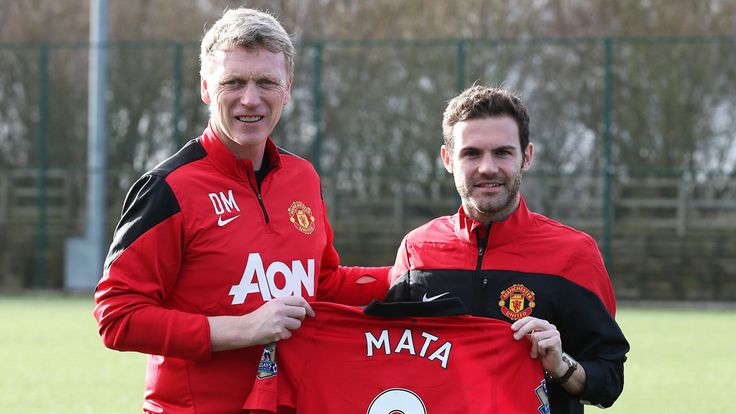
Following the news that David Moyes' reign in charge of Manchester United is at an end, Adam Bate looks at the reasons why the board had little option but to relieve the Scot of his duties...
Tuesday 22 April 2014 10:19, UK
Only 10 reasons? The fact that this will be the reaction of many Manchester United fans goes some way to illustrating just how disastrous David Moyes’ time in charge of the club has been. Here’s a discussion of some of the problems that have led to his exit…
Awful results
It’s a simple but inescapable fact that this has been Manchester United’s worst season in a quarter of a century. The records have kept coming throughout a miserable campaign – so much so that it’s easy to become numb to them. However, it’s worth recounting for anyone willing to convince themselves this was anything other than an extraordinarily poor effort.

Eleven defeats is a record in the Premier League era. This will also be United’s lowest finish and worst points tally. It was a season of firsts too. Sir Alex Ferguson never lost at home to West Brom. Or Newcastle. Or Swansea. Or anywhere in the league against Stoke. And Everton doing the double on United for the first time in 44 years proved the final insult.
Ferguson never conceded a Premier League goal in the opening minute and only once exited the FA Cup in the third round. It was over a decade since United had lost three games in a row and almost two since they failed to qualify for the Champions League. While fans of a certain age will recall far worse times, for a generation of supporters this was an unprecedented period of woe.

Dragging them down
Perhaps it was those with a long-term view who were willing to be more understanding of Moyes’ struggles. There has been a feeling among sections of the fan base for some time that this had been coming. Ferguson had, after all, left a squad whose success was built on a number of key players coming to the end of their careers – a situation partially brought about as a result of a lack of investment from the Glazer family.
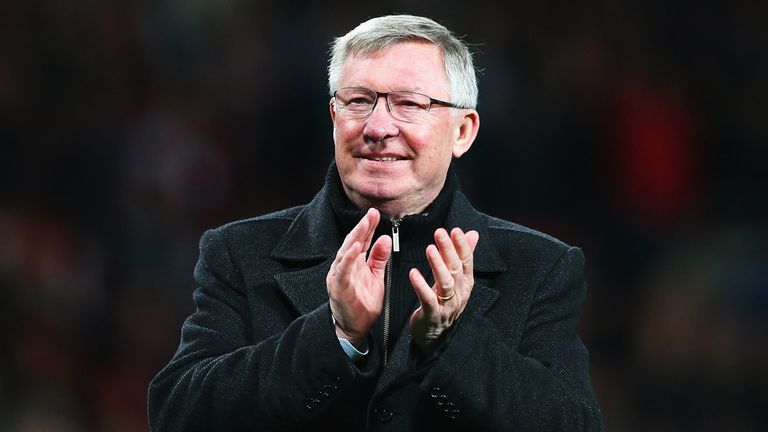
It’s a persuasive argument to explain why United had every reason to expect to suffer a dip. And in truth, this was expected – despite being defending Premier League champions the team did not start the season as favourites to retain their title. Supporters were ready to endure a period of transition, as was perhaps foreseen in Ferguson’s plea for them to support his successor.
What they were not prepared for was the gradient of the decline. Remember that United had not finished outside of the top three since 1991. For many, seventh was not a blip but instead end-of-days stuff – and there is no explaining that away in terms of a lack of quality in the squad. A team that were lifting the title last May should have had enough to finish comfortably in the top six. All available evidence suggests this was a group of players being dragged down by Moyes.
Unrest
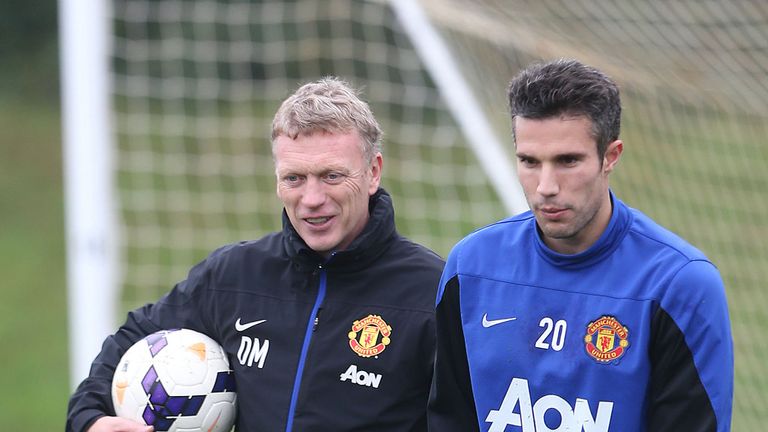
Alarmingly, those were the words coming out of the camp too. There were the early season reports that Robin van Persie was unhappy in training, while Rio Ferdinand appeared to suggest that the lack of forward planning in terms of which games he did and did not play was becoming a problem. Ryan Giggs has seemed marginalised despite his apparent coaching role. More recently, there have been