
Independent Football Regulator ready to finally act against rogue owners when it comes into effect on December 12
The Football Governance Act became law in July; December 12 will mark the date the Independent Football Regulator (IFR) can intervene and use some of its powers against owners; IFR has now published its Owners, Directors and Senior Executives (ODSE) regime

Thursday 4 December 2025 20:51, UK

"A new era for football governance is here," according to Richard Monks, the chief executive of the Independent Football Regulator (IFR).
It's been a long time coming.
The Football Governance Act became law in July, David Kogan was appointed IFR chair in October and offices were set up in London and Manchester, but the IFR still hasn't been able to actually get its hands dirty.
It's not a criticism, there is a due process, recruitment and proper consultation over what and how the IFR uses its powers within its legal remit, and that takes time.
However, from next week - Friday December 12 to be exact - as far as football supporters are concerned, the IFR can intervene and use some of its powers against owners.
The IFR has now published its Owners, Directors and Senior Executives (ODSE) regime. It's the final version of a test that has been worked on for some time and allows the IFR to act against what it terms "unsuitable owners."
According to the IFR, the new ODSE Test will be significantly different from what has been in place until now, and will hold owners, directors and senior executives to "higher standards than currently exist and apply to a larger pool of positions." It will clarify which senior executives fall under the new regime and will provide more detail about how incumbent owners will be treated, although it will seek to work with clubs to resolve issues prior to launching any investigative action and enforcement.
The ODSE was always going to be one of the key elements of the IFR and the governance of the English game, with those who wish to own and lead clubs required to demonstrate financial soundness and competence.
To be clear, though, the IFR is still making its way in this new world. The powers it will have at its disposal from December 12 relate only to existing owners.
'IFR gives fans confidence their clubs will be protected'
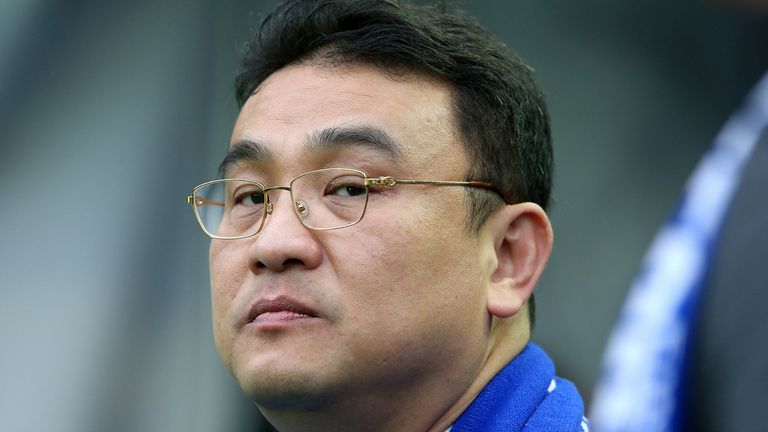
How Sheffield Wednesday fans wish this had perhaps come sooner. Dejphon Chansiri is now a 'former' owner of the club after he relinquished control of Wednesday, placing one of England's oldest clubs and a Premier League founder member into administration, meaning the IFR have no remit to act.
However, if the IFR has reason to begin an investigation against any current football club owner in the top five tiers of men's football in England from December 12, it can and will. Crucially, if it deems it needs to intervene with sanctions, it can. It can enforce compliance through financial penalties, public censure and, in extreme cases, by forcing an owner to sell.
Regarding prospective new owners of a club, it's a slightly different process.
From May 2026, all potential new owners, directors and senior executives will need to be approved by the IFR's ODSE Test.
The IFR chair, Kogan, has only been in place since October, although his appointment was widely expected, but it's not been without some controversy.
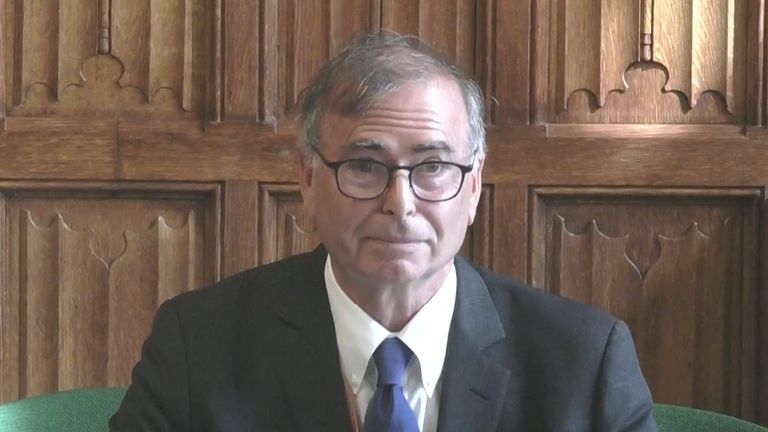
When appearing in front of a Culture, Media, Sport Select Committee in May, when he was the 'preferred candidate' for the job, he confirmed on the record that he had previously donated to two prominent Labour MPs - the Prime Minister Sir Keir Starmer and the Culture Secretary, Lisa Nandy. Ms Nandy, until she recused herself from the process, would have been the person to appoint the chair of the IFR.
An investigation ensued, and accusations from opposition MPs of conflict of interest were made. Still, not everyone is happy about the appointment process of David Kogan.

However, with the IFR's powers starting to become real, Kogan said: "Following Royal Assent in July, the IFR has been steadily developing its regulatory regime through a process of public consultation over its new powers. This is the latest step to ensure that the precepts of the Act will be followed to ensure stability and sustainability are reinforced throughout the football pyramid."
Richard Monks, chief executive of the IFR, commenting on the new ODSE Test, added: "A new era for football governance is here. The test applies to every club across the top five tiers, and we have the tools to act quickly to help foster sustainable investment in the game.
"We will be able to gather information, investigate and demand action - including, in the most serious cases, the removal of an unsuitable owner."
Although not part of the IFR as it is 'independent' from Government, Sports Minister Stephanie Peacock said: "Our message has been clear throughout: that owners and directors are, first and foremost, custodians of their clubs - and they must act with the best interests of those clubs at heart.
"The Regulator now has the power to hold those who do not to account, giving fans confidence that the institutions so central to their communities and their lives, will be protected long into the future."